Why Star vs. The Forces of Evil Stands as Disney’s Most Underrated Fantasy Series
The Magical Girl Adventure Disney Fans Overlooked
There’s an almost mythical quality to Star vs. The Forces of Evil, a series that slipped under the radar but redefined what fantasy animation could look like in the West. Created by Daron Nefcy, one of the few women to helm a major animated project at Disney, this four-season arc is much more than a magical girl romp—it’s an adventure packed with rule-breaking energy, nuanced character arcs, and a bold commitment to representation that helped change the landscape for Disney animation.
A Dimension-Spanning Premise With Anime DNA
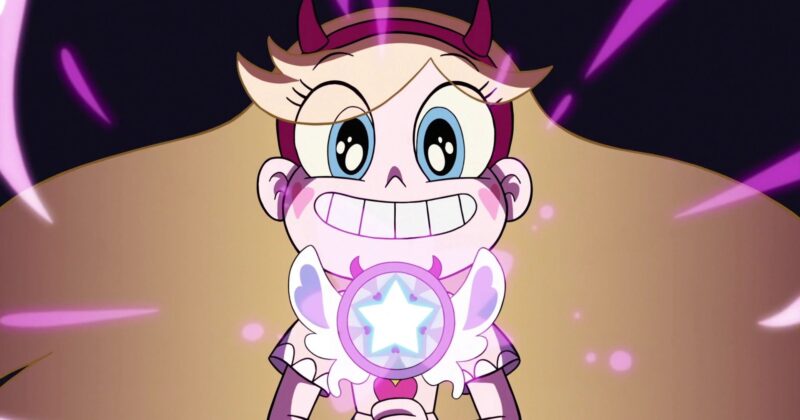
At the heart of the show is Star Butterfly, the rebellious teen princess from Mewni with a charisma that echoes classic Japanese magical girl heroes, but with a distinctly Western twist. When Star’s magical mishaps prove too much for her dimension, she’s shipped off to Earth to live as a foreign exchange student. Her landing pad? The home of the endlessly relatable Marco Diaz—her guide to earthling life, loyal sidekick, and eventually, a catalyst for deeper adventures.
From its first chaotic spell to its gradual shift from slapstick comedy to intricate world-building, Star vs. The Forces of Evil proved itself fearless in evolving tone and creative ambition. Audiences are thrown into a multi-realm collision, with Mewni’s fairy-tale politics and Monsters vs. Magic conflict drawing clear lines to larger themes of power, prejudice, and rebellion. If you’re hunting for an animated fantasy that balances magical misadventures with a coming-of-age story, this is the show to binge.
Rebel Princess, Complex Villains, and Real Growth
One of the show’s huge strengths is how it dodges static characterization. Both heroes and villains, like the infamous Toffee, enjoy meaningful arcs, with motivations that grow more layered and morally ambiguous each season. Star develops from a reckless outsider into a thoughtful leader, while Marco transforms from sidekick to co-hero, and the supporting cast—like Pony Head and Jackie—blossom beyond their archetypes.
Much like other fantasy juggernauts (Steven Universe, The Owl House), Star vs. The Forces of Evil isn’t afraid to challenge the status quo, blending humor with powerful allegories about tradition versus progress, and the gray zones of friendship and loyalty. The series rewards audiences who stick through its tonal shifts with satisfying payoffs and moments that stick in your pop culture memory.
Breaking Ground in Animation and Representation
The show isn’t just celebrated for its world-building. It smashed records with its debut, scoring the biggest animated premiere in Disney XD’s history, and became a trailblazer for LGBTQ+ inclusion. Its now-famous concert episode, which depicted same-sex couples kissing, was a genuine first for Disney TV—and drew both praise and controversy. Later, the confirmation of Jackie’s bisexuality added further dimension to an already diverse cast.
For many fans, these moments weren’t just milestones; they were signals that Disney animation could evolve, prioritizing honest, inclusive storytelling. In an era where audiences demand authentic representation, Star vs. The Forces of Evil continues to be referenced as a crucial stepping stone within the greater animation industry.
The Future: Room for Revival or Reinvention?
Revival rumors persist, especially after creator Daron Nefcy expressed interest in returning to the universe. While Disney hasn’t confirmed any continuation, the door is open—perhaps through a special or a feature-length film that tests fans' appetite for more stories in Mewni and beyond. Even if the show remains a cult classic, its impact endures across streaming, fan communities, and as a blueprint for shows daring to take risks and push boundaries.