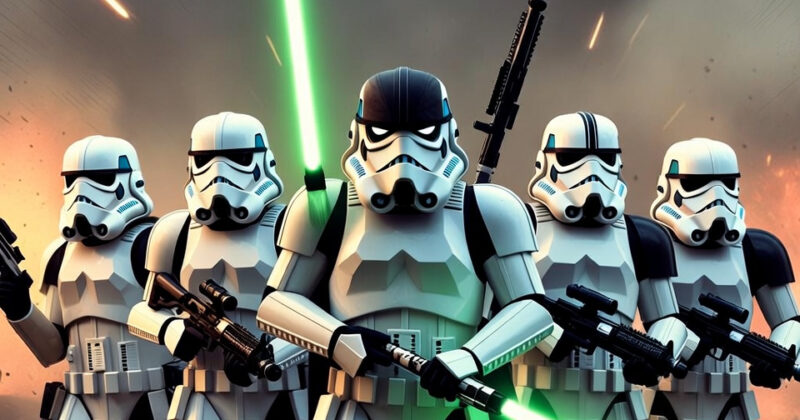
Why Star Wars Is Overlooking Its Most Unique Villains: The Untapped Potential of SCAR Squadron

SCAR Squadron: Star Wars’ Overlooked Elite
The galaxy far, far away is no stranger to iconic villains—from Darth Vader’s shadowy presence to the cunning of Grand Admiral Thrawn. Yet, a truly distinctive group of antagonists has lingered just off the mainstream radar, emerging not on screen but within the sweeping panels of Marvel’s official Star Wars comics: SCAR Squadron, also known as Task Force 99.
The Origin of Task Force 99
Unlike the countless anonymous stormtroopers we’ve seen fall before Jedi and Rebels alike, SCAR Squadron stands out as a unit of handpicked specialists. Formed under Darth Vader’s watchful eye and attached to the 501st Legion, these operatives are the Empire’s answer to missions too dangerous for standard infantry. Each member boasts a unique skill set—hacking, engineering, close-quarters combat, heavy weaponry, sniping, and demolitions. Instead of the monotonous white armor, their gear is personalized, highlighting their individuality and battlefield roles.
Their leader, Sergeant Kreel, breaks the mold: he wields a green-bladed lightsaber and commands with a mix of discipline and ruthless pragmatism. Kreel’s story is rich with intrigue; operating undercover among underworld factions, he even helped shape Luke Skywalker’s early lightsaber skills, blurring the line between adversary and unexpected mentor. This deep connection to the saga’s main hero positions Kreel as a character whose narrative could drastically evolve in live-action or animated adaptations.
From Page to Canon: The Legacy (and Lament) of SCAR Squadron
Debuting in the pages of Jason Aaron’s celebrated Star Wars run, SCAR Squadron quickly made an impression. They were not mere cannon fodder, but rather Imperial soldiers who saw themselves as central figures in the galactic conflict. For them, the Rebel Alliance was a threat to order, not a beacon of hope. This ideological clash added rare nuance to the portrayal of stormtroopers, traditionally depicted as faceless minions.
While the comics gave readers tantalizing glimpses—epic clashes with the Rebellion, battlefield sacrifices, and the internal struggle of seeing once-loyal citizens turn to the Rebel cause—the larger Star Wars franchise has been slow to capitalize on their story. Recent comic anniversary specials offered brief updates, but did little to resolve the Squadron’s fate after the fall of the Empire.
SCAR Squadron: The Imperial Remnant’s Next Breakout Stars?
The creative possibilities with Task Force 99 are vast. As Star Wars now explores the turbulent era following the Empire’s collapse—the rise of the New Republic, the growth of the Imperial Remnant, and the roots of the First Order—SCAR Squadron is primed to take center stage. Their unwavering loyalty, combat expertise, and psychological complexity make them ideal antagonists for upcoming stories in the expanding canon.
Imagine Sergeant Kreel’s lightsaber igniting in live-action, or the dynamic visuals of his squad’s customized armor splashed across a cinematic frame. They could effortlessly transition into a series set in the era of The Mandalorian or slot into an animated spinoff designed for older audiences. The recent surge of interest in morally grey Imperial characters, from Andor to The Mandalorian, suggests the time is ripe for SCAR Squadron to receive the adaptation fans have been craving.
What Makes SCAR Squadron Different?
- Distinct Specializations: Each member fills a specific tactical role, allowing for dynamic storytelling and diverse action sequences.
- Personal Stakes: Their arcs explore the cost of loyalty and the psychological turmoil faced as the Empire crumbles.
- Visual Identity: Custom gear and weapons set them apart from the mass-produced aesthetic of regular stormtroopers.
- Legacy Connections: With direct ties to legacy characters and infamous moments in Star Wars lore, their appearance deepens narrative continuity.
The Future of Star Wars Villains
As new Star Wars series and films dive deeper into themes of redemption, fanaticism, and the shades of grey within galactic warfare, SCAR Squadron offers fertile ground for storytelling. Their re-emergence in comics hints at an untapped well just waiting for adaptation—a testament to the enduring appeal of complex, visually striking villains that challenge both our heroes and the audience’s perceptions of good and evil.