Stephen Amell’s Next Major Role: From the Courtroom to the Beach
After becoming widely recognized for his portrayal of bold, charismatic characters, Stephen Amell finds himself in the spotlight once again. But this time, the waves he’ll be riding are literal, not legal. Amell’s journey from legal drama in Suits LA to the sun-soaked beaches of the upcoming Baywatch reboot hints at a strategic pivot that’s caught veteran TV watchers’ attention.
Suits LA: Pressure and Pitfalls in the Shadow of a Streaming Hit
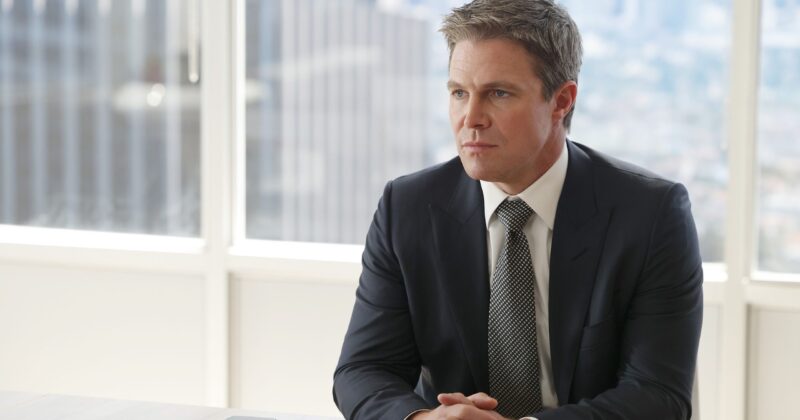
It’s no secret among series aficionados that spinoffs walk a tightrope. Suits LA arrived on the heels of a global Suits renaissance that reignited fierce nostalgia and sky-high expectations. Fans craved the daring law-firm machinations synonymous with Harvey Specter, and when Amell’s Ted Black tried to stake his own claim, the reception was lukewarm. The disconnect was clear: while the premise shifted west to California’s cutthroat entertainment law, viewers found themselves comparing every detail to the New York-based original.
The problem was twofold. For longtime Suits loyalists, Suits LA strayed too far from the charismatic energy and tight ensemble interplay of the flagship show. For new viewers, the legacy was an intimidating shadow, making Ted Black’s bravado come off as imitation rather than innovation. Despite a cast of strong performers and hints of promise near the series’ end, the show struggled to build an identity distinct enough to thrive on its own merits.
Baywatch Reboot: Entering the Race with a Different Kind of Pressure
Unlike the suffocating expectations faced by Suits LA, Fox’s Baywatch reboot has surprisingly little baggage. The iconic lifeguard series isn’t riding the crest of viral fandom—if anything, its pop culture relevance has ebbed, especially with younger viewers who may only know the franchise through the 2017 movie starring Zac Efron and Dwayne Johnson. There’s no tidal wave of nostalgia demanding an exact recreation, which gives the new show space to carve its own identity.
But this blank slate comes with fresh challenges. The Baywatch brand, built on campy spectacle and sun-drenched melodrama, needs to find its new footing for 2026. The decision to cast internet personalities like Noah Beck and Livvy Dunne alongside seasoned actors such as Amell and Shay Mitchell signals a drive to capture the TikTok and Gen Z crowd. However, this could risk alienating longtime Baywatch fans who associate the series with its original ensemble and its cheeky, over-the-top plots.
The Creative Gamble: Can Baywatch Balance Past and Present?
The real test for this reboot will be tonal balance. The original Baywatch thrived on a mix of slow-motion heroics and outlandish storylines—embracing its own absurdity in ways that drew in viewers worldwide. Should the new iteration lose that self-awareness and aim for gritty realism, it’ll sink fast. However, a savvy approach that honors the original’s spirit while updating its social context and humor could see the franchise become relevant again in the streaming era.
Critically, Baywatch isn’t weighed down by the need to continue intricate lore or resolve beloved characters’ arcs. That freedom could inspire bold storytelling choices, unexpected guest stints, and a more dynamic mix of character types ready for the Instagram age. The show’s pilot has already generated discussion for its casting choices, showing how the debate over authenticity versus mass appeal shapes legacy TV reboots in 2026.
Stephen Amell at the Center of the Rip Current
For Amell, the Baywatch reboot represents more than a new challenge—it’s a test of how a beloved franchise can reinvent itself without tripping over fan nostalgia or industry cynicism. With a diverse cast and an opportunity to lean into the show’s legacy of escapist entertainment, Fox is steering into the unknown, buoyed less by the weight of the past and more by the promise of fresh waves. What comes next could define how ‘90s and 2000s TV brands survive—if they’re bold enough to swim, not just float.