Stephen Moyer Transforms The Night Agent With ‘The Father’
The Night Agent has firmly cemented its status as one of the most binge-worthy thriller series on Netflix, but it wasn’t until the latest season that the show introduced a character with the potential to redefine the landscape of streaming espionage drama. Enter Stephen Moyer in his electrifying turn as ‘The Father’: a deadly, enigmatic assassin whose presence unsettles even the most seasoned viewers.
The Arrival of ‘The Father’: A Lesson in Cinematic Tension
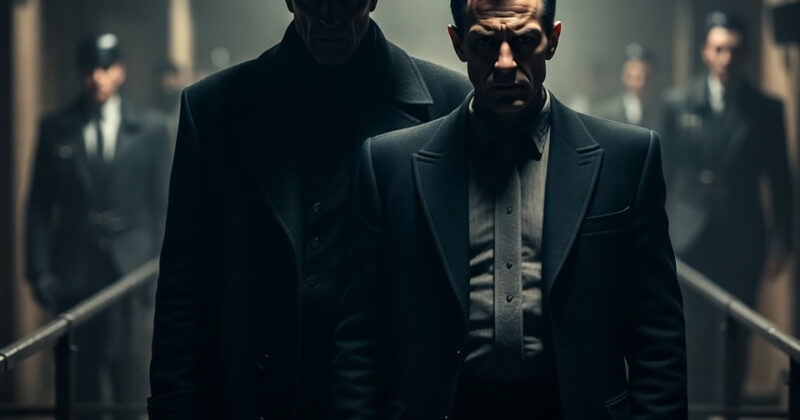
The introduction of Moyer’s character is expertly teased, with whispers of a relentless executioner echoing long before he appears on screen. When he finally steps into the spotlight, ‘The Father’ commands attention not through explosive violence, but a brooding, calculating silence. His interaction with his protégé, ominously referred to as ‘The Son’, injects a new, emotionally complex dynamic into the series — a welcome shift from the trope of the lone, stoic agent.
For those familiar with Moyer’s past in genre television, particularly his portrayal of Bill Compton in True Blood, the parallel is striking. In both roles, Moyer brings a gravitas to characters who see killing as part of a grim professional code, yet are shaped by the intricacies of fatherhood and legacy. The nuance in The Father’s performance is a sign of how character-driven drama can transform a procedural thriller into prestige television.
Who Does ‘The Father’ Serve? Navigating The Gray Morality of Night Agent
One thing that sets The Father apart is the mystery of his allegiance. He is not just a tool for criminal masterminds, nor is he strictly a government-sanctioned operative. Instead, he operates in a shadowy channel parallel to the official intelligence apparatus — a moral gray area where plausible deniability reigns supreme. This ambiguity not only deepens the show’s intrigue, but also speaks to the complex nature of real-world espionage, where loyalty and legality often blur.
The victims of ‘The Father’ are not chosen at random. Instead, each target, from Mike Fonesca to Senator Lansing, serves as a chess piece in a much larger, high-stakes political game. Notably, his most haunting act — the poisoning of Freya Myers — brings his code of loyalty into direct conflict with his paternal instincts, an internal struggle that Moyer captures with chilling subtlety.
The Father’s Moral Crisis: Humanity Behind the Assassinations
In a season marked by shocking character deaths, the pivotal moment arrives when ‘The Father’ faces a crisis regarding his own role and relationship with ‘The Son.’ His growing reluctance to put his protégé in danger signals a profound transformation. Rather than becoming yet another faceless villain, Moyer’s assassin is suddenly relatable, haunted not just by his past actions but by what he risks losing in the future.
When the lead, Peter Sutherland, is forced into an uneasy alliance involving ‘The Son,’ this triggers ‘The Father’s’ eventual decision to step away from the path of violence. It’s a rare narrative twist in modern thrillers — allowing an antagonist to exit not in a blaze of glory or defeat, but through a deeply human decision to choose family over duty. This open ending smartly leaves the door ajar for his return, especially should new threats emerge.
The Night Agent’s Reinvention of Modern Thrillers
By lensing the espionage genre through characters like ‘The Father,’ The Night Agent raises the bar for what viewers can expect from genre television. It’s not just about high-octane chases or relentless pursuit of justice. Instead, it weaves in the kind of morally ambiguous storytelling and complex character arcs that define today’s most talked-about streaming hits. Moyer’s transformative performance ensures that this enigmatic assassin is more than just an adversary — he’s a compelling study in the evolving definition of hero and villain alike.