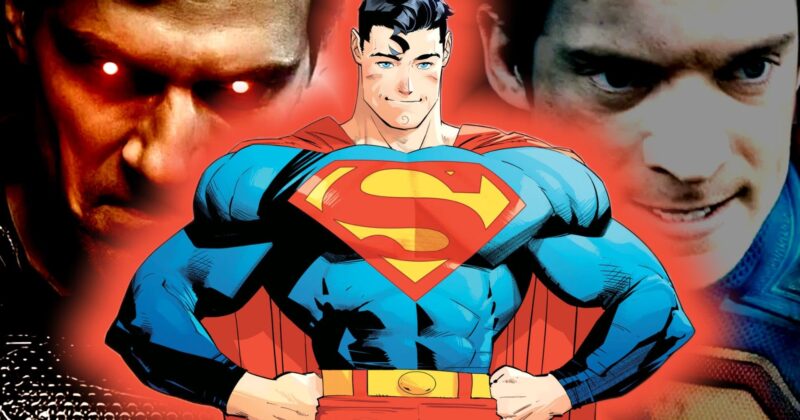
The Temptation of Bringing Superman’s Most Iconic Storyline to the DCU
When news broke that James Gunn would be steering the new DC cinematic universe, excitement surged—not just for a fresh take on superheroes, but especially for what lies ahead for Clark Kent. The «Man of Tomorrow» stands on the brink of his reboot, with Gunn leading the creative charge. Naturally, speculation is heating up over which classic comic book arcs might shape the new Superman films.
Superman’s Death: A Comic Milestone, But Not a Movie Blueprint
No single Superman story looms larger than The Death of Superman. In its comic book debut, this event was monumental; it not only captivated fans with Doomsday’s rampage but also delivered a months-long saga weaving through multiple titles. Across nearly a year, readers experienced Superman’s fall, his funeral, the world’s grieving, and the bombastic rise of competing Supermen. The format—spanning dozens of issues and a slow-burn release—created an atmosphere of real uncertainty. For a while, some genuinely wondered if this was the end for the Last Son of Krypton.
But this storytelling depth and emotional impact is uniquely suited to the comic book medium. Comics can explore side characters and the world’s reaction with the patience of serialization. The emotional power comes from the space to breathe—something a feature film, even a two-parter, cannot replicate. On the big screen, the death-and-return formula is less convincing. Ever since pop culture absorbed plot twists like those in Star Trek II: The Wrath of Khan, audiences are rarely fooled by the illusion of permanent demise.
Why the Death of Superman Feels Overexposed
There’s another issue: The Death of Superman has been adapted relentlessly. Since its comic book run, we’ve seen it re-imagined in animation, novels, video games, and movies—attempts have sprung up nearly every five years. The story has become a pop culture touchstone, almost overshadowing all other Superman narratives. Yet, with every adaptation, something essential gets lost. The mystery and impact of the original dissipate when audiences know this isn’t really the end. The latest cinematic attempts, like those within the Snyderverse, have struggled because viewers never truly believed Superman would stay gone after so little setup. The dramatic weight just isn’t there.
The Marvel Cinematic Universe set a contrasting example with Avengers: Endgame. Tony Stark’s fate was powerful not because comics once killed Iron Man, but because audiences had built a decade of emotional investment in this specific version of the character. Endgame wasn’t reverse-engineering an iconic death; it was tying together narrative threads established gradually and thoughtfully—something even the best Superman adaptations have not replicated with his own demise.
Superman’s Story Is About Life, Not Death
The Death of Superman is remembered more as a cultural event than for its core message. The comic’s greatest function was to remind the world how much Superman matters, not to explore why he matters. Fans line up for a story about his absence because his life, until then, had been so inspirational. Yet, Superman’s enduring appeal lies in the hope he brings and the never-ending struggle to do good against all odds. His story resonates when it shows that standing up for what’s right—over and over, no matter how hard—is what truly makes a hero. As another iconic piece of pop culture put it: ‘Dying is easy. Living is harder.’
The true magic of Superman is not found in his defeat, but in his resilience and optimism. If the new DCU is truly committed to showing why Superman endures, it must resist the shortcut of retelling his most famous death and instead focus on stories that celebrate his ongoing journey. The universe Gunn is building has the opportunity to give audiences something rare: a Superman whose greatest moments are still ahead of him, not behind.