The Ambitious Remake: A Modern Take on a TV Icon
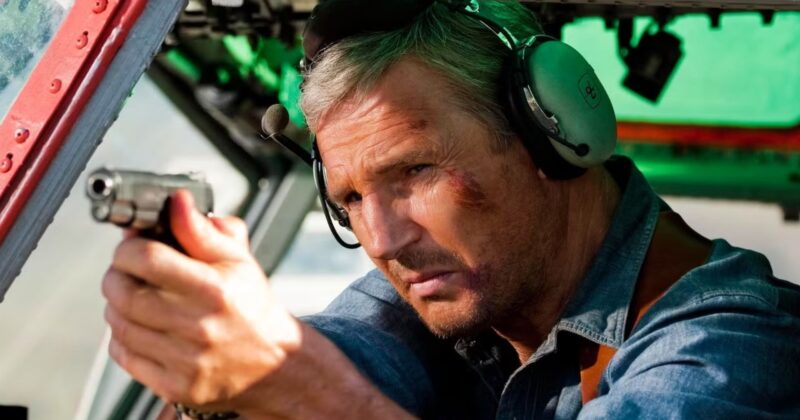
When Liam Neeson was cast as John ‘Hannibal’ Smith in The A-Team, expectations soared among fans of action cinema and nostalgia-laden TV revivals. The movie promised an updated adrenaline rush, drawing on the essence of the beloved 1980s action series but reimagined for a new generation. With a star-studded ensemble including Bradley Cooper, Jessica Biel, Sharlto Copley, and MMA legend Quinton ‘Rampage’ Jackson, the production was designed to launch a new era for The A-Team.
Big Budgets and Box Office Bah-Humbug
The film hit theaters with a price tag to match its ambitions, but despite grossing $177 million worldwide, the returns failed to justify its sizable $110 million budget. Instead of launching a blockbuster trilogy, the franchise plans stalled almost immediately. A decade and a half later, its legacy is best remembered for what might have been.
Marketing Missteps: The Director Speaks
Director Joe Carnahan has candidly pointed to marketing failures as the core reason behind the movie’s struggle. In his own recent reflections, Carnahan emphasized the camaraderie that developed among the cast and how close the film came to capturing a superhero-style energy. According to him, the strong dynamic, particularly Rampage Jackson’s fresh take on B.A. Baracus—a role originally immortalized by Mr. T—deserved to drive multiple sequels, not just one film lost in the shuffle.
Stunt Spectacle vs. 80s Charm
Yet, not all the blame rests on the shoulders of marketing. Critical reception was mixed; while audiences enjoyed the cast’s chemistry, many critics noted that the adaptation abandoned the series’ signature blend of campy fun and outrageous, over-the-top action. Instead, what viewers got felt loud and disjointed—a typical blockbuster, but missing the sly wink and sense of humor that made the TV show iconic. The result was a Rotten Tomatoes score of 48% from critics and a modestly better 66% from audiences.
The Underlying Franchise Formula
For modern franchise hopefuls, The A-Team’s journey serves as both a warning and inspiration. Big names, explosive action, and glossy visuals aren’t enough. Audiences crave authentic chemistry, respect for source material, and a clear sense of fun—qualities the original series was loved for. The film’s attempt to build a gritty, chaotic blockbuster out of a property best known for its eccentric, lighthearted swagger highlights the delicate balance required when modernizing retro icons for today’s viewers.
Is the Dream of The A-Team Really Gone?
Director Joe Carnahan didn’t let The A-Team’s fate stop him. He pivoted to create more energetic action flicks, quickly rebounding with genre favorites like Boss Level and Copshop. Meanwhile, the cultural nostalgia for the original A-Team persists, kept alive by waves of streaming rediscoveries and an ever-expanding love for smart, character-driven ensemble action. As with so many iconic brands, fans always hope for just one more adventure, especially with today’s penchant for callbacks and legacy sequels.
Curious Connections and Performance Highlights
Unique casting choices and performances remain a highlight. Notably, Rampage Jackson brought unexpected depth to a character forever associated with Mr. T, while Sharlto Copley’s comic intensity as Murdock won over many skeptics. The undeniable chemistry between the cast suggested a winning formula was within reach, if only the film’s structure had hewed closer to the show’s tongue-in-cheek playfulness.
What Modern Revivals Can Learn
The lesson is clear for today’s studios and showrunners: honoring the heart of classic IPs is crucial, especially when updating for tech-savvy, nostalgia-fueled audiences. The A-Team movie’s journey is a masterclass in what happens when slick production and misfocused marketing outshine the quirks that made fans fall in love in the first place. In the ever-evolving landscape of blockbuster reboots, this case remains a crucial study for Hollywood’s next revival dream.