The Adventures of Tintin: Blockbuster Ambitions and Unfulfilled Promise
When Steven Spielberg and Peter Jackson joined forces to bring The Adventures of Tintin to the big screen, many expected the start of a sprawling action franchise. Both directors command immense respect—Spielberg shaped the modern blockbuster with masterpieces like Jurassic Park and E.T., while Jackson redefined cinematic spectacle with The Lord of the Rings trilogy. The expectation: Tintin would inherit that legacy, charging onto screens with globe-trotting adventures and cinematic innovation.
The Plan: A Cinematic Franchise Inspired by Classic Comics
The Adventures of Tintin was anything but a one-off experiment. Inspired by Hergé’s long-running comic series, Spielberg and Jackson intended to craft multiple films, drawing from storylines like The Seven Crystal Balls, Prisoners of the Sun, and Destination Moon. They envisioned three or four films, banking on Tintin’s international legacy and the appetite for high-octane adventure.
Yet, despite critical praise and profitable box office returns, the franchise never materialized. The first film was a financial success but lacked the explosive, billion-dollar impact studios crave. It captured hearts but did not ignite the kind of fervent fan movement that compels Hollywood to greenlight immediate sequels or expand into shared universes.
Why The Adventures of Tintin Stands Out From Other Modern Adventures
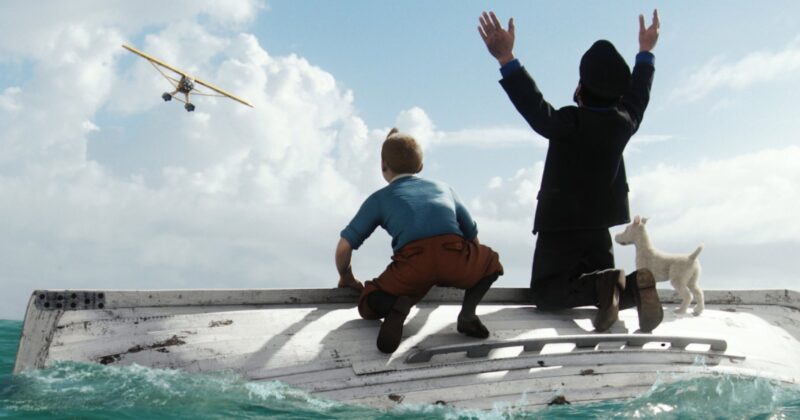
What truly set Tintin apart was its deep-rooted, infectious sense of adventure. The tone was lively, the visuals vibrant, and the sense of discovery ever-present—qualities reminiscent of why the Indiana Jones films became iconic. Spielberg’s handling of Tintin did what some recent adventure adaptations—like the Uncharted movie—failed to do: it reminded audiences of the thrill found in classic quest storytelling, where every twist is full of possibility and peril.
This wasn’t mere nostalgia. Jamie Bell nailed the youthful exuberance and insatiable curiosity of Tintin, while Andy Serkis, as Captain Haddock, delivered a riotous, memorable performance. The sweeping Moroccan motorcycle chase, the plane crash in sun-bleached deserts, and the cleverly constructed set pieces matched the energy and creativity of vintage stunt-driven blockbusters. Even with the film’s reliance on CG and motion capture, it never lost the tangible excitement of practical effects—a rare feat in post-millennium adventure cinema.
Peter Jackson and the Waiting Game for Tintin 2
After directing the first film, Spielberg had planned to hand the reins to Peter Jackson for the sequel. Jackson’s flair for spectacle and passion for fantastical worlds made him a natural successor. However, his deep dive into The Hobbit trilogy—producing three heavily VFX-driven epics in rapid succession—put the Tintin sequel on indefinite hold. Jackson stepped away from feature films to focus on documentary projects, and a return to a light-footed, high-energy adventure like Tintin could mark an inspired comeback for the director.
Importantly, the performance-capture technology behind Tintin means that location constraints are minimal. Jackson wouldn’t need to orchestrate massive shoots in remote mountains or jungles—a significant bonus for a director looking to recapture adventure without logistical headaches.
Tintin as the True Heir to Indiana Jones’ 21st Century Spirit
Modern iterations of adventure franchises haven’t always fared well. Indiana Jones and the Kingdom of the Crystal Skull and the more recent Dial of Destiny attempted to revive a sense of pulpy, globe-trotting excitement. However, critics and fans often felt the CG-heavy spectacles lacked the danger and whimsy of the originals. The Adventures of Tintin, however, succeeded where others stumbled—it captured the essence of old-school, edge-of-the-seat escapism for a new generation, blending breathtaking animation with heartfelt storytelling and razor-sharp pacing.
Is A Tintin Sequel Still Possible?
The passage of time hasn’t crushed hopes for the sequel. According to recent updates, Andy Serkis has indicated that Peter Jackson remains attached and development talks continue. While the actor who voiced Tintin is no longer a teenager, the flexibility of motion capture means the series isn’t dependent on its cast aging in real time. If Tintin 2 finally advances, it follows the path of other long-gestating sequels like Blade Runner 2049 or the rebooted Beetlejuice—projects that found their moment years after their originals.
An eventual Tintin sequel wouldn’t just fulfill a cinematic promise. It would reintroduce audiences to the singular energy and joy that made classic adventure films legendary, potentially kickstarting a franchise with the creative DNA to rival any modern blockbuster series. Until then, The Adventures of Tintin stands as a cult adventure classic—an animated masterwork still waiting for its next daring chapter.