Why The Batman: Part II Embraces Hard Choices That Spider-Man 4 Doesn’t Dare Touch
The Unspoken Strength of The Batman: Part II
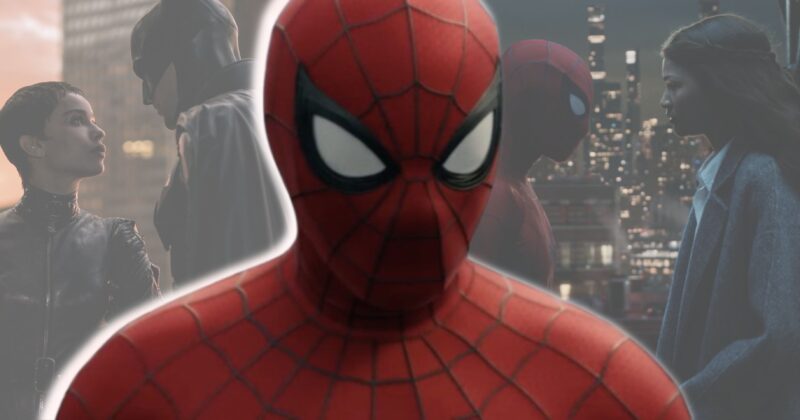
Few sequels in comic book cinema dare to genuinely shift the emotional stakes, but The Batman: Part II looks set to do just that—largely by refusing to revisit familiar, safe territory. While anticipation swirls around new faces joining the dark corners of Gotham—including confirmed casting like Scarlett Johansson in an undisclosed role and Sebastian Stan as Harvey Dent—one of the most significant creative choices is who won’t be coming back: Zoë Kravitz’s Selina Kyle, also known as Catwoman.
The decision to keep Catwoman out for the sequel is rooted in the meaningful, bittersweet finale of the first film. Selina leaves Gotham, opening avenues for the narrative to introduce fresh conflicts and deeper exploration of Bruce Wayne’s obsessive crusade. Some see this as a calculated risk, a statement that Batman’s story has space to grow beyond his most famous relationships. In a cinematic landscape often accused of being risk-averse, this feels refreshingly focused.
Spider-Man: Brand New Day – Revisiting Familiar Ground
Contrast this with Spider-Man: Brand New Day, where the return of Zendaya’s MJ is inevitable, but perhaps not narratively earned. After the seismic events of ‘No Way Home’, where Peter Parker chooses painful isolation to protect his friends, the forthcoming sequel seems unable to fully commit to the consequences of that choice. Early footage and promotional material confirm MJ’s significant presence, even hinting that she and Ned are on the brink of rediscovering Peter’s secret.
This creative direction runs the risk of undermining Peter’s emotional sacrifice. In comics and on screen, Peter Parker has always embodied the struggle between the demands of his dual life, often at the expense of his heart. By rolling back such a monumental character loss so quickly, the franchise risks draining the previous film’s climax of its dramatic weight, echoing past cycles where Spider-Man’s love stories repeatedly reset rather than evolve.
Why Taking Away MJ Matters
Removing MJ—even temporarily—would have amplified Peter’s loneliness, allowing audiences to digest the magnitude of his self-imposed exile. Instead, the story hints at reconnection and familiarity, sidestepping a rare opportunity for the character to truly grow from his solitude.
Building Gotham’s Rogue Gallery
One upside of Catwoman’s absence in The Batman: Part II: narrative breathing room. The sequel gears up to tackle new villains, like Harvey Dent’s anticipated transformation and the whispered threat of the Court of Owls. This focus on world-building and the psychological complexity of Gotham’s criminal underbelly aligns perfectly with fan expectations for a grittier, more noir-styled Batman universe.
Spider-Man: More Villains, More Chaos
Meanwhile, Spider-Man: Brand New Day appears to be juggling a web of subplots—Scorpion, the Hand, a rumored telepath (potentially the X-Men’s Jean Grey), and even transformations that verge on the monstrous side with Man-Spider. Marvel’s track record of successfully weaving multiple storylines is impressive, but the risk is real: with so much going on, deeper arcs like Peter’s isolation or Ned and MJ’s amnesia could get shortchanged.
The Shared Burden of Expectation
Both sequels carry heavy franchise expectations. Yet, it’s the divergent approaches to beloved characters that set them apart. Batman’s narrative dares to close one door—at least for now—while Spider-Man’s is afraid to let it stay shut. For fans hungry for bold storytelling, The Batman: Part II stands to reshape what we can expect from superhero sequels: difficult goodbyes, space for new threats, and an uncompromised vision—potentially giving us a Gotham as unpredictable as its hero.