Lavish Production Design: Elevating Streaming to Cinema
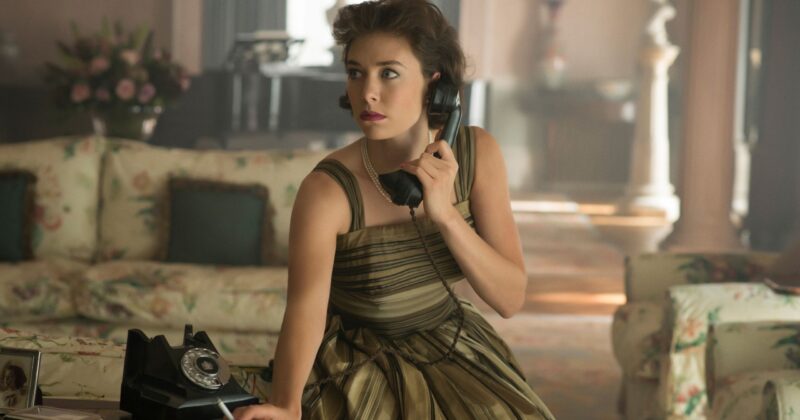
From its very first episode, The Crown transformed expectations for what a streaming original could look like. The sheer opulence and rigor found in every meticulously crafted frame elevate this show far above standard television. Each sweeping shot—whether catching the grandeur of palace interiors or the quiet drama in Buckingham Palace’s candlelit corridors—summons a cinematic feel that refuses to bow to the familiar trappings of traditional TV.
What truly secures The Crown’s visual legacy is its relentless commitment to authenticity. The creative direction, led by acclaimed showrunner Peter Morgan (famed for ‘The Queen’ and ‘Frost/Nixon’), eschews heavy CGI in favor of practical sets, real locations, and period-precise props. Instead of digital trickery, characters age naturally thanks to a bold recasting approach every two seasons, maintaining both narrative believability and a rich resonance through visual continuity.
Production Value Without Compromise
The investment behind The Crown is evident not just in headline-grabbing budgets, but in how those resources appear onscreen. The show’s colossal early budget—reportedly over $100 million—did not just buy extravagance; it bought freedom. Buckingham Palace interiors were painstakingly replicated, period settings constructed to feel wholly lived-in, and authentic British locations secured to heighten realism.
Unlike many fast-built streaming series, The Crown had the luxury of taking its time. With fewer shows on the platform when it debuted, Netflix chose quality over volume, making this production a flagbearer in the streamer’s quest to match, and even rival, the prestige long held by traditional players like HBO. The result? A period drama where compromise is nowhere to be found and the viewer feels transported into the very heart of historical events.
The Art of Casting & Aging on Screen
Few series have reinvented their cast as boldly as The Crown. Every two seasons, main characters like Queen Elizabeth II, Prince Philip, and Princess Margaret are portrayed by fresh actors, echoing the passage of decades. Claire Foy, Olivia Colman, and Imelda Staunton each deliver their own nuanced take on the Queen, while Matt Smith, Tobias Menzies, and Jonathan Pryce embody Prince Philip across different eras. This strategy offers both a masterclass in performance and ensures that the visuals remain strikingly natural—without the artifice of prosthetics or digital aging.
Creative Anchors: British Excellence and International Reach
While Netflix holds the distribution and financial reins, the true creative force comes from Left Bank Pictures—a production house renowned for prestige British drama. Their signature? Blending extravagant scale with subtle, grounded detail. Instead of relying on flashy effects, their expertise lies in making history tangible: wardrobes feel worn, sets breathe with authenticity, and every prop tells a story rooted in its time. This British craftsmanship is also behind internationally acclaimed series such as Outlander, further affirming their mastery of the genre.
The result is a show that stands out sharply from the usual streaming output. Where many originals can appear glossy yet shallow or budget-conscious, The Crown radiates substance and artistry from its very bones, giving audiences a tactile sense of history that few productions can match.
Cultural Impact and Lasting Influence
As streaming platforms increasingly chase franchises and maximize output, The Crown persists as the benchmark for what prestige television can look like in the digital era. It’s not just a lesson in grand visuals or period accuracy—it’s a testament to what can happen when streaming invests wholeheartedly in artistry and technical freedom. For those who relish richly made historical dramas or crave TV that truly deserves the big screen, The Crown stands unrivaled—a jewel in the modern golden age of streaming content.