The Curious Case of The Lone Gunmen
The X-Files set the golden standard for supernatural procedural TV, blending conspiracy paranoia with dynamic character duos and high-stakes government secrets. With such a revered legacy, its offshoot show, The Lone Gunmen, seemed destined for cult status. Yet, despite its roots and the creative powerhouse behind it, including Chris Carter and Vince Gilligan, it became one of TV’s most perplexing canceled projects.
From Fringe Allies to Center Stage
For fans, Melvin Frohike, John Fitzgerald Byers, and Richard Langly were the ultimate oddballs—paranoid, brilliant, and essential to Mulder and Scully’s deepest conspiratorial digs. Their eccentric chemistry was a highlight every time they appeared on The X-Files, offering comic relief and unfiltered paranoia within a universe ruled by shadows and secrets.
The transition from charming sidekicks to leading men wasn’t an attempt to replicate Mulder and Scully’s skeptical-believer balance. Instead, The Lone Gunmen embraced pure conspiracy theorist mayhem, diving into outlandish plots and everyday tech anxiety. Its signature tagline, ‘Their missions aren’t impossible… they just make them look that way,’ championed their slapstick antics and self-aware humor. Unlike the parent show’s eerie blend of horror and earnestness, The Lone Gunmen cracked the tone wide open for zany, contemporary espionage.
What Went Wrong with the Launch?
At first, things looked bright. Debuting in a plum prime spot just after The X-Files on Sunday night, The Lone Gunmen instantly nabbed over 13 million viewers. Critics at the time celebrated its brisk writing, humorous tone, and sharp editing. Notably, The New York Times called it ‘shrewdly filmed’ and ‘well done,’ while The Los Angeles Times applauded its playful approach to ‘computer geekdom.’ For the initial weeks, it rode high on X-Files momentum and anticipation—an enviable launchpad in a crowded early-2000s TV landscape.
Yet, success quickly unraveled due to erratic scheduling. Episodes ping-ponged between Sunday prime-time and the dreaded Friday night ‘death slot,’ notorious for driving down live viewership as fans headed out for the weekend. Even worse, the air dates were jumbled—episodes three and four switched slots unexpectedly, leaving those who missed a Friday episode confused and less invested in following up on Sundays. The season’s finale even aired out of story order, making an already convoluted viewing experience nearly impossible for loyal fans and casual viewers alike.
The Cost of Competition & Timing
Timing was another major Achilles’ heel. Rather than leveraging The X-Files off-season—when the fanbase could crave anything to fill the supernatural-sized void—The Lone Gunmen premiered while its parent series was already on the air. As season 8 of The X-Files powered through storyline climaxes, most die-hard fans naturally prioritized the mothership, missing out on the spinoff and undermining its chance to grow an identity beyond the main series’ shadow.
Inside the Lone Gunmen’s Unique Appeal
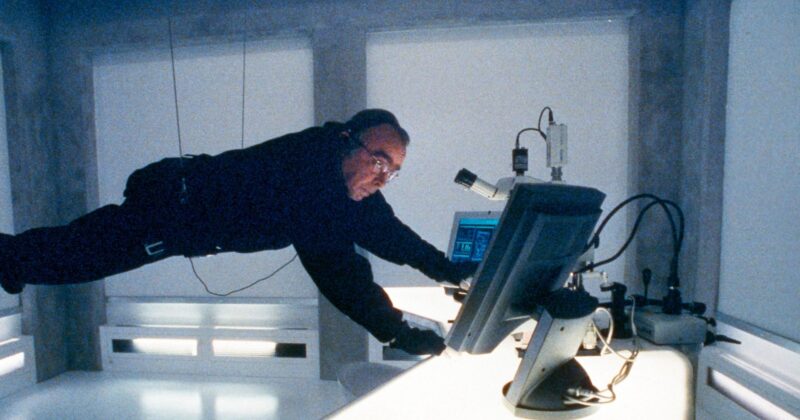
Despite these setbacks, The Lone Gunmen offered something genuinely refreshing in the early 2000s: a marriage of slapstick with unfiltered conspiracy culture, long before Reddit sleuths and meme-based internet paranoia went mainstream. The characters’ blunders—equal parts Mission: Impossible and classic vaudeville—gave every episode an air of unpredictability. If The X-Files was a dark hallway with a flashlight, The Lone Gunmen were hackers picking locks with bobby pins and cracking jokes along the way.
The trio’s chemistry, honed across years of guest roles, was a rare asset modern shows spend entire seasons trying to cultivate. They didn’t just parody government surveillance and societal paranoia; they also mirrored the real American appetite for truth found in the shadows of official narratives. Viewers tuned in for their wits, low-budget gadgets, and the show’s uncanny ability to make even the wildest plots—like mysterious government institutions and faceless Men in Black—feel oddly plausible in a world obsessed with digital secrets.
A Missed Cultural Milestone
With modern eyes, The Lone Gunmen seems prophetic, foreshadowing today’s era where surveillance, whistleblowers, and absurdist internet culture dominate everything from memes to Marvel blockbusters. But logistical blunders buried the show before it could cement itself as an alternative must-watch for genre TV fans.
With talent like Vince Gilligan—whose later projects would become benchmarks in serialized storytelling—and a premise even Netflix would greenlight in a heartbeat today, The Lone Gunmen remains one of TV’s greatest ‘what if’ scenarios. Its embrace of conspiracy, comedy, and tech anxiety could thrive in an age obsessed with digital footprints and government secrets, making its early exit feel ever more mystifying as the appetite for this content only grows.