The Peripheral: A Sci-Fi Vision That Felt Out of Place
Amazon Prime Video has steadily carved its space in the science fiction genre, rolling out hits like Fallout and revitalizing cult favorites such as The Expanse. Yet, there’s one series that, despite its bold ideas and impressive execution, never got the recognition or longevity it deserved: The Peripheral. Adapted from William Gibson’s influential novel, the show delivered a heady blend of future tech, philosophical quandaries, and atmospheric storytelling, all anchored by Chloë Grace Moretz’s gripping performance as Flynne Fisher. Many fans and critics alike believe that, had it landed on a rival platform such as Apple TV, its fate might have been wildly different.
Prime Video vs. Apple TV: A Tale of Two Sci-Fi Strategies
Prime Video has gained a reputation for leveraging established franchises, capitalizing on built-in fanbases. The success of Tom Clancy’s Jack Ryan or Fallout illustrates a strategy focused on wide appeal and recognizable properties. Yet, when the streamer dips its toes into riskier, high-concept territory—think Tales from the Loop or Outer Range—the results often mean a swift exit after a season or two.
The Peripheral was caught in this limbo. Initially renewed after a promising launch, it was abruptly canceled only months later, a casualty of both industry strikes and a platform hesitating to give niche sci-fi space to grow. Prime Video’s disposition towards high-octane, «safe bet» content stifled shows that push genre boundaries.
The Perfect Home That Never Was: Why Apple TV Made More Sense
If there’s a streaming platform recognized for championing complex, cerebral sci-fi, it’s Apple TV. The network has banked on titles like Severance, Foundation, and Silo, all lauded for their ambition and willingness to dive deep into speculative concepts. The Peripheral‘s vision—melding timelines, exploring the ethics of technology, and charting existential dilemmas—matches Apple TV’s portfolio perfectly.
Ironically, Apple TV has since greenlit a ten-episode adaptation of Neuromancer, another Gibson novel that navigates similar cyberpunk landscapes of technological dystopia. It’s a move that validates the kind of storytelling DNA present in The Peripheral. Had the series premiered here, its ambitious world-building and narrative complexity might have been celebrated rather than sidelined.
A Series Cut Short: What Made The Peripheral Stand Out
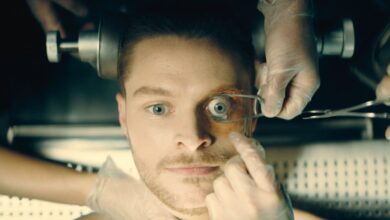
With the creative team from Westworld behind the camera, The Peripheral was more than just another adaptation. The show brought to the screen a detailed vision of the near-future: from its concept of «stubs»—branching timelines that question fate and agency—to the game’s blend of physical and virtual realities. Visually, the series stunned with high-octane action, a memorable title sequence, and a moody cyberpunk aesthetic that’d please anyone craving genre-defining visuals.
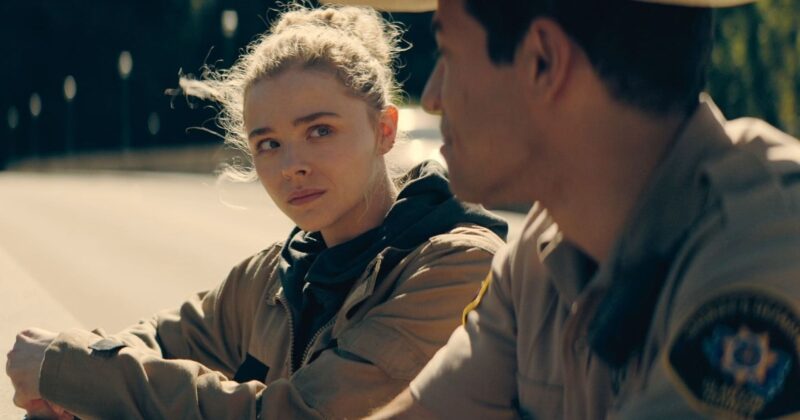
Chloë Grace Moretz owned the role of Flynne Fisher, breathing nuance into a heroine caught between different worlds and different versions of herself. The antagonists, notably the enigmatic Research Institute, delivered complexity rarely seen in mainstream sci-fi, providing more than just evil-for-evil’s sake villains.
Despite a few liberties with Gibson’s source material, the adaptation was robust—equally inviting for fans and newcomers. Disappointingly, the series wrapped its eight-episode run with a cliffhanger, signaling untold possibilities that now linger unresolved. The existence of Agency—a novel within the same universe—further underlines just how much narrative potential remains untapped.
The Landscape of Streaming Sci-Fi in 2026
What The Peripheral reveals about the current streaming wars is how critical the alignment between platform and storytelling ethos has become, especially for sci-fi. While Prime Video continues to double down on broad-appeal blockbusters, Apple TV is emerging as the go-to destination for those who crave thought-provoking, boundary-pushing narratives. The lesson? Even the most promising shows require the right ecosystem to truly flourish—a dynamic that will continue to shape the genres we love in the years ahead.