The Zelda Legacy at a Crossroads
Few franchises in the world of video games evoke as much reverence as The Legend of Zelda. Across decades, each new release has felt like a definitive moment — a rite of passage for gamers. From the legendary journeys of Ocarina of Time to the wind-swept seas of Wind Waker, and the sky-high ambition of Skyward Sword, Zelda titles have continually redefined adventure and exploration. Yet, it was with Breath of the Wild that Nintendo masterfully opened the gates to Hyrule, reshaping expectations for open-world design and art direction.
The Reality of Breath of the Wild on PC
The chatter around the community has recently intensified thanks to an unofficial PC port of Breath of the Wild making the rounds on social media, with prominent accounts sharing gameplay footage. On paper, the idea of experiencing Hyrule with crisp, high-resolution textures and customizable shaders sounds like any fan’s dream, especially for PC gamers accustomed to modding their favorites. However, the reality is more complicated, and the core of the backlash lies in a tension between technical upgrades and artistic fidelity.
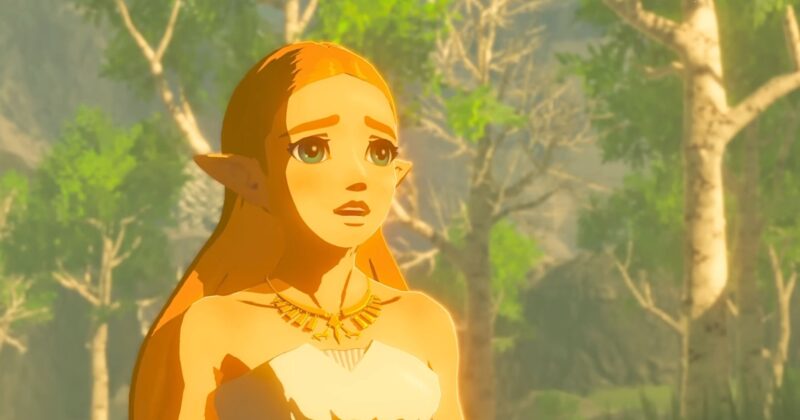
Early reactions from the Zelda community have not been kind. Many fans expressed dismay at how the port introduces aggressive post-processing effects and shader tweaks that undermine the understated beauty of the original. Criticisms ranged from complaints about gaudy visual changes to sarcastic remarks about the port’s superficial improvements. For a series that has always relied on deeply considered art direction — the soft watercolors of Breath of the Wild are iconic — the overdone graphics feel jarring and unnecessary.
Nintendo’s Unique Touch Is Missing
There’s a reason why major remasters or ports rarely succeed without the original studio’s involvement. Nintendo has demonstrated with the Switch that their games are more than their polygons and frame rates; careful orchestration of aesthetics, soundtracks, and gameplay mechanics is what etches these adventures into memory. Fans know this and the PC port only reinforces how crucial Nintendo’s polish truly is.
Zelda’s 40th Anniversary & What’s Next
This moment comes just as Zelda celebrates 40 years — an unprecedented milestone that is invigorating hopes for new experiences on both classic and modern platforms. The anniversary buzz has sparked speculation about what could be next: a long-desired remake of Ocarina of Time, long-overdue ports of Wind Waker or Twilight Princess for Switch, and new additions to the ever-expanding Switch Online catalogue.
Adding to the excitement, the upcoming live-action film adaptation is set to offer a fresh perspective on Hyrule, much like how other saga-defining fantasy epics have transitioned to new mediums. With Nintendo reportedly planning dedicated events and Directs, anticipation is riding high for announcements that could shape the series for another generation.
The Impact of PC Mods on Nintendo Classics
PC modding culture has always been about breaking boundaries, pushing graphics, and offering experiences unavailable elsewhere. But ports of games like Breath of the Wild prompt a deeper discussion about the boundaries of fan projects versus the artistically intentional choices of original developers. While some mods enhance accessibility or breathe new life into retro releases, there’s a growing recognition that not everything is improved by technical escalation—especially when it risks the soul of the experience.
On the Horizon: New Legends
As Hyrule stands on the cusp of new cinematic and interactive chapters, both veteran and new fans look forward to bold, carefully crafted experiences from Nintendo itself. Whether that means finally seeing Ocarina of Time rebuilt with modern magic or expanding the Switch’s legendary library, the only certainty is that Zelda’s heritage of innovation and artistry remains safe in the hands of its creators.