The Arcade Legend That Hollywood Forgot
Picture any arcade from the golden era of gaming—flashing lights, digitized gunfire, and crowds drawn to one unmistakable console: Time Crisis. This isn’t just nostalgia; it’s a touchstone for millions who grew up spending weekends mowing down waves of pixelated villains, often alongside a friend. The franchise, known for its unique cover-based shooting and frantic two-player action, hasn’t just survived the test of time—it defined it for a generation of PlayStation and arcade lovers alike.
What Made Time Crisis Special?
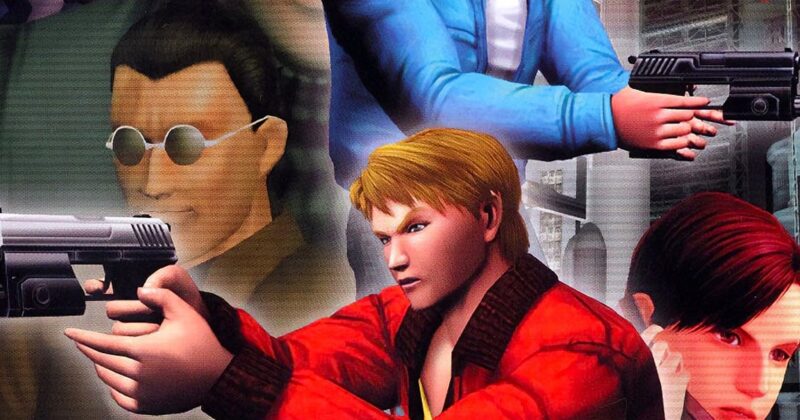
The magic formula is simple yet elusive: intuitive duck-and-shoot gameplay, pulse-pounding music, and the thrill of cooperative play on a bright, twin-gun arcade cabinet. Time Crisis II famously turned up the adrenaline by letting two players team up, cementing the series as a hallmark of competitive camaraderie. Its instantly recognizable double-console design and the distinct foot pedal for ducking out of cover became symbols of what modern shooters could—and should—be.
Millennial Nostalgia Is Hollywood’s Untapped Goldmine
Studios have long mined games for IP, but there’s something uniquely cinematic about the Time Crisis experience. Its blend of spy-thriller intrigue and over-the-top action feels tailor-made for the silver screen. Think of it as a feverish mashup of James Bond flair and the witty, relentless pace of a Lethal Weapon-style duo. The stories in Time Crisis are simple—international organizations, outsized villains, and endless goons—but that’s part of the charm. The real draw lies in the dynamics of its protagonists: two agents, outnumbered yet always finding a way to pull through thanks to trust, timing, and an arsenal of unlikely gadgets.
Why Now? The Perfect Storm for Adaptation
The days when video game movies were doomed to infamy are fading fast. Advances in CGI, better understanding of interactive storytelling, and an audience eager for adaptation mean a Time Crisis film or series would land in a transformed entertainment landscape. The property has been dormant for years, but the appetite for ‘legacy’ franchises powered by nostalgia is stronger than ever. Just look at the resurgence of arcade bars and retro game console reissues—there’s a cultural hunger to relive those adrenaline spikes.
With its fundamental iconography—glowing consoles, outrageous set pieces, memorable villains and that iconic pedal-to-duck mechanic—Time Crisis offers more than a loose framework for another action flick; it comes with a ready-to-binge narrative backbone and generational fan base.
What a Modern Adaptation Needs to Get Right
- Dynamic Partnerships: Lean into the chemistry of the two lead agents. The banter and teamwork are non-negotiable.
- Signature Action Economy: Any adaptation must feature rapid-fire shootouts, relentless pacing, and inventive set design echoing the series’ unforgettable environments.
- Retro-Futurist Vibe: Stay true to the late-’90s visual flair—think neon-lit bunkers, improbable gadgets, and slick, cartoon-villain energy.
- Audience Engagement: Consider interactive twists—alternate endings, companion mobile tie-ins, or social media-driven missions, playing on the series’ roots as a shared experience.
Reviving a Classic for the Streaming Age
Streaming platforms are hungry for kinetic, genre-bending properties. A Time Crisis series could effortlessly blend mission-of-the-week excitement with serialized story arcs, giving both longtime fans and newcomers plenty to enjoy. With the right creative team, the franchise’s dormant iconography—complete with memorable boss fights and dramatic set pieces—could finally make the leap from arcade halls to home theaters and beyond.