‘Project Hail Mary’: The Sci-Fi Bestseller Racing to the Big Screen
From the moment Hollywood set its eyes on Andy Weir’s ‘Project Hail Mary’, the anticipation has only intensified. If the name sounds familiar, it’s because Weir masterminded ‘The Martian’, which soared from page to Oscar-nominated blockbuster. Now, with the upcoming adaptation of his latest novel, the world is gearing up for a new deep-space odyssey led by some of the most exciting creative minds and headlined by Ryan Gosling.
Behind the Scenes: A $150 Million Blockbuster in the Making
The film adaptation is no minor undertaking. Backed by Amazon MGM and helmed by directing duo Phil Lord and Christopher Miller—the visionaries behind hits like ‘Spider-Verse’ and ‘The LEGO Movie’—this project boasts ambition and top-tier talent. Ryan Gosling brings his distinctive charisma to the lead, playing Ryland Grace, an unlikely astronaut who wakes up alone in space, memories erased, on a desperate mission to save humanity. Alongside Gosling, the cast includes Sandra Hüller, Milana Vayntrub, and Ken Leung, with a script penned by Drew Goddard in collaboration with Weir himself. The budget reportedly stands at a staggering $150 million, setting the stakes and expectations sky-high for sci-fi fans and newcomers alike.
The Premise: A Race Against Cosmic Extinction
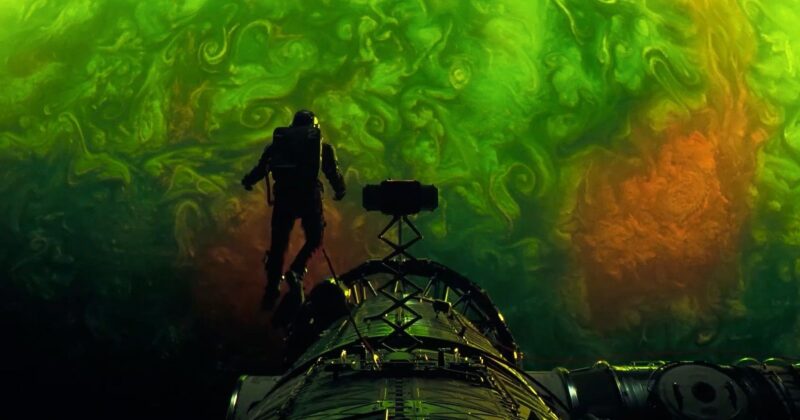
‘Project Hail Mary’ isn’t just another space thriller. The story grips you from page one as Ryland Grace awakens lightyears from home, gradually unraveling the terrifying reality: Earth’s sun is dying, and he may be the planet’s last weapon in a race against time. As Grace recovers his identity and purpose, the narrative alternates seamlessly between the claustrophobia of deep space and flashbacks to his life on Earth, building an immersive, cinematic rhythm that fans of high-stakes adventure will devour.
Should You Read the Book Before the Movie?
With the movie’s premiere right around the corner, many wonder if it’s worth tackling the 400+ page novel first. For anyone who thrives on rich characterization and the thrill of discovery, the answer is a resounding yes. Weir’s talent for weaving real science into accessible, gripping fiction is on full display, making ‘Project Hail Mary’ just as appealing to hardcore science buffs as to readers who prefer heart and humor. The tension, wit, and emotional journey are constructed so deftly that the book becomes a true page-turner—even for slow readers. With only 30 chapters, it’s surprisingly manageable, and the propulsion of the story means it’s hard to stop at just one chapter a day.
The Adaptation Challenge: Faithful or Reinvented?
History shows that adapting hard science fiction is no simple feat—just ask fans of ‘Dune’ or ‘Blade Runner’. But with Lord and Miller’s proven knack for blending spectacle and soul, and Weir’s direct involvement in the production, early buzz suggests this adaptation is poised to honor its source material while offering cinematic surprises. The involvement of Gosling at the helm also promises deep emotional connectivity, and for those who have read the book, the excitement of spotting key narrative moments on screen will only enhance the experience.
Pop Culture and the Sci-Fi Renaissance
This release fits neatly into a resurgence of ambitious sci-fi in visual media. In recent years, audiences have witnessed the evolution of the genre from cult favorite to mainstream powerhouse—think of Denis Villeneuve’s ‘Arrival’ and the continued success of series like ‘The Expanse’. ‘Project Hail Mary’ is set to join their ranks, blending expert storytelling with visual innovation, and its relevance is stronger than ever as we look toward future-forward stories about science, survival, and the resilience of the human spirit.
Who Should Dive Into the Novel Now?
Whether you’re a devoted sci-fi reader, an avid moviegoer, or just someone who loves a gripping human story set against impossible odds, ‘Project Hail Mary’ deserves a spot at the top of your reading list. Reading the book before the film not only deepens the emotional punch but lets you appreciate the challenges—and triumphs—of adaptation in a genre that constantly pushes boundaries.