Fallout’s Identity Crisis: Evolving Beyond the Vault
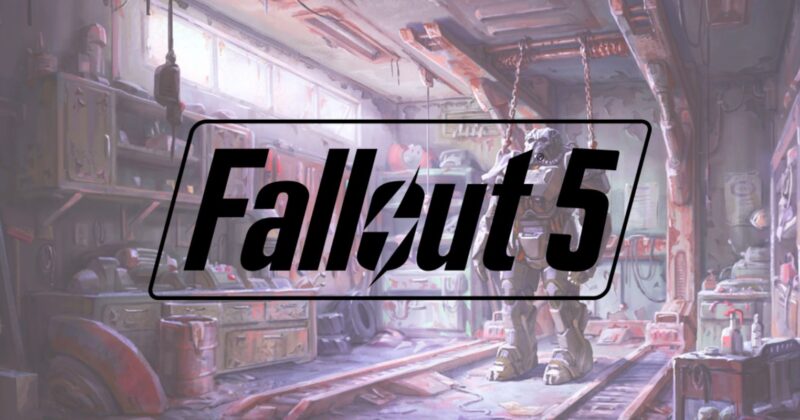
The Fallout universe has never been more alive, with renewed hype thanks to its tabletop adaptations and the hit streaming series on Prime Video. Yet, at the core of this sprawling franchise are the games—echoing the ruined beauty of a post-apocalyptic wasteland, where choice and consequence shape every survivor’s story. As anticipation for Fallout 5 continues to mount, speculation abounds about where Bethesda might take the beloved RPG. The hottest question in the community: Should Fallout 5 integrate lifepath-style origins like those seen in Cyberpunk 2077?
Lifepaths: Defining More Than Just Your Character
In Cyberpunk 2077, lifepaths allow players to begin their journey with distinct backgrounds—Nomad, Corpo, or Street Kid—each offering unique prologues, dialogue options, and narrative flavors. This system was hailed for its variety and replayability, and it’s easy to see why Fallout fans are tempted by the idea. Imagine starting as a classic Vault Dweller, a battle-hardened Brotherhood of Steel recruit, or even a ghoul who survived the bombs—a far cry from the mostly fixed origins of past Fallout games.
Proponents argue this could inject new life into the series, letting players shape not just their stats but their foundational motivations and place in Fallout’s world. Would you navigate the wasteland with an outsider’s naivety, or the jaded cynicism of someone who’s seen the old world burn? These are the kinds of roleplaying hooks lifepaths introduce, and their implementation could fundamentally shift how stories unfold across the wasteland.
Fans Divided: Purists vs Innovators
The community, as always, is passionately split. Some Fallout fans point to lifepaths as the natural next step for deepening immersion—citing BioWare’s Dragon Age Origins as a gold standard for how backgrounds inform storytelling without fragmenting the core narrative. The idea of multiple prologues that converge within a few hours appeals to those craving more nuanced RPG experiences and replayability.
But for every fan excited by branching origins, there’s another mourning what might be lost: the unified, emotionally-driven storyline that gives Fallout its weight. Opponents worry that an overemphasis on background variety could dilute the central plot, transforming a focused odyssey of survival and hope into a loose sandbox with no clear stakes. As one fan put it, «the freedom sounds intoxicating, but could strip away meaning and purpose that make Fallout memorable.»
This debate speaks to a broader tension in modern RPG design—balancing the allure of player agency with the power of a compelling, centralized narrative. With series like Dragon Age and Cyberpunk 2077 continuously innovating on this front, Fallout’s next move will be watched closely by the entire industry.
Fallout 5: Still Distant, But Loaded with Expectations
Of course, all this speculation comes with a caveat—the next mainline Fallout entry remains a distant dream as Bethesda Entertainment continues to focus primarily on The Elder Scrolls VI. For now, Fallout 4 still enjoys a thriving modding scene and a dedicated player base revisiting its sprawling narrative. In the meantime, Fallout’s lore expands on other stages, with the Amazon Prime series introducing a new audience to the retro-futuristic wasteland, charismatic mutants, and the moral gray areas that make the franchise so enduring.
Ultimately, the question around lifepaths isn’t just about mechanics—it’s about what we want Fallout to be. Should it cling to the roots that made it iconic, or embrace new systems that could redefine the post-apocalypse? Whichever path Bethesda chooses, the wasteland is sure to ignite with conversation, theory, and, as ever, passionate debate.