William Shatner Shares His Heartbreak Over Starfleet Academy Cancellation: What It Means for the Future of Star Trek
William Shatner Reacts to Starfleet Academy’s Cancellation
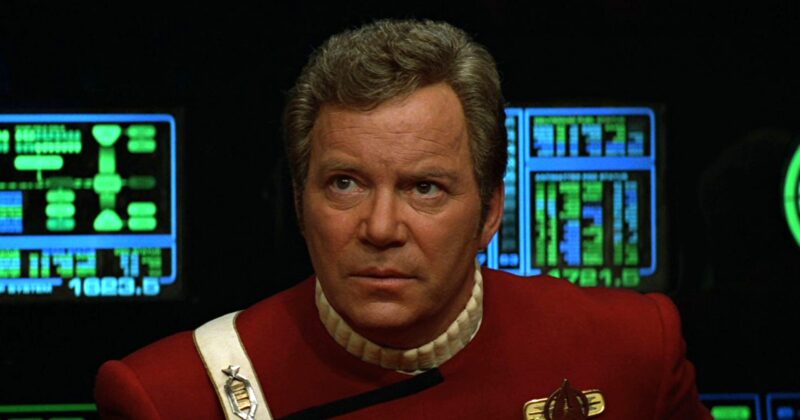
William Shatner, the face behind Captain James T. Kirk, has publicly expressed his sadness over the abrupt end of Star Trek: Starfleet Academy. After decades of embodying one of science fiction’s most enduring icons, Shatner’s connection to the Star Trek universe remains as powerful as ever. His voice continues to be a touchstone for fans navigating both nostalgia and new directions within the franchise.
The Short Run of Starfleet Academy
Paramount+ delivered the surprise announcement that the second season of Starfleet Academy will be its last. Despite high expectations and a bold attempt to recenter the franchise through a younger cast and college-style storytelling, the series struggled to attract a large audience. Its first ten-episode season notably missed out on the Nielsen Top 10 streaming charts, and the decision to end the show reflects both critical opinion and viewer churn. For a franchise that has always prided itself on evolution and experimentation, this move stings for loyal supporters who hoped the Academy would ignite a new era.
The Weight of Star Trek History
Shatner’s insight is uniquely valuable—not just as Star Trek royalty, but as a firsthand witness to these cycles. He remembers the backlash every major Star Trek series faced, from the harsh reception of The Next Generation in its early days, to similar skepticism directed at Star Trek: Enterprise. Fans may forget that what is beloved now often started out as controversial or divisive. Shatner sums it up best: ‘Star Trek is different for everyone.’ That sentiment echoes across fan forums and convention halls, proof that this universe defies pigeonholing into a single vision.
Star Trek’s Legacy of Inclusion—and Controversy
Responding to criticisms that labeled Starfleet Academy as ‘woke’ or agenda-driven, Shatner reminded audiences that Star Trek has always challenged social norms. He pointed back to the original show’s boundary-breaking moments—like TV’s first interracial kiss between Kirk and Uhura—which faced censorship and outrage at the time. The push for diversity on the new series, including Star Trek’s first gay Klingon and a lead played by Oscar-winner Holly Hunter, continues the legacy of representation that’s defined Alex Kurtzman’s tenure.
What’s Next for the Franchise?
With production now complete on Starfleet Academy’s second and final season, fans are left in suspense. The show was built to capture the coming-of-age experience over four years at the Academy, but the cadets’ stories will now stop short in their sophomore year, reportedly ending with a cliffhanger. This premature conclusion is more than a programming change; it represents a generational disappointment for new viewers who claimed the Academy as their own.
Looking ahead, the scheduled return of Star Trek: Strange New Worlds may be a last hurrah for the televised franchise—at least for now. With no fresh Star Trek series currently in active development or greenlit, the universe finds itself at a crossroads, reflecting again on its enduring mantra: infinite diversity in infinite combinations.
The unexpected fate of Starfleet Academy proves once more that the path for beloved franchises is never straightforward, even when captained by legends like William Shatner.