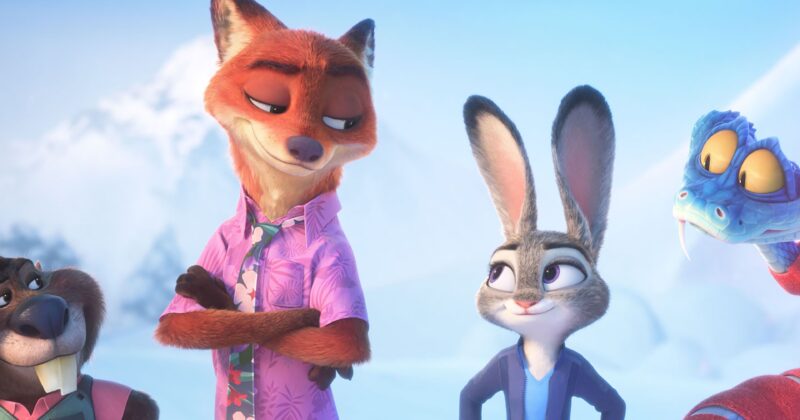
How Zootopia Handles Interspecies Relationships
The world of Zootopia was meticulously designed as more than just a backdrop for cute animal antics—it’s a city loaded with complex social dynamics, taking on big ideas like bias, fear, acceptance, and trust. While the franchise has long avoided becoming preachy, it has never shied away from creating intriguing societal rules, especially where interspecies relationships are concerned. This theme, particularly the chemistry between Nick Wilde and Judy Hopps, sparks discussion among fans almost as much as the mystery at the heart of the city’s police cases.
Zootopia 2: Breaking New Ground in Animated Storytelling
The sequel dared to expand the nuances of its universe. Here, predator and prey don’t just work side by side—they share private lives in ways that go almost unnoticed by the city’s citizens. In perhaps its most memorable sequence, Nick and Judy go undercover as a couple with the ever-sly Finnick presented as their child. These scenes didn’t just tick boxes for fan service; they hinted at something deeper about the city’s evolving acceptance of relationships that cross traditional lines.
Interpretation of such moments depends largely on how keenly you read into them. While most family and romantic examples in the original film focus on species-specific pairings—think the Hopps family or married otters—there’s a standout exception. Reference material from the franchise confirms Bucky and Pronk Oryx-Antlerson (Judy’s neighbors) are a married couple of two different antelope species. This detail, minor on its surface, suggests interspecies relationships aren’t automatically taboo in Zootopia’s social fabric.
Social Norms and Storytelling in the Zootopia Universe
What really matters isn’t if a fox and bunny have always been a couple before, but whether people within Zootopia accept such an idea as plausible. Social realism in storytelling means that a disguise—like Nick and Judy’s undercover relationship—needs to be believable to the city’s average citizen, not statistically common. In cosmopolitan societies, combinations that would turn heads in smaller towns often go unnoticed in the hustle of city life.
Evidence for acceptance flourishes beyond the movies. The official comic Quick as a Flash includes a sloth being asked out by a hyena, and while extended stories don’t always carry definitive canon weight, they’re a barometer for the creative team’s approach. Consistent creative commentary backs this up. Zootopia’s lead writer and director has openly stated, ‘I can’t see any reason why [interspecies couples] wouldn’t exist. The world of Zootopia really reflects human society, and we see all the animals as human beings.’ This sentiment shows that, internally, interspecies love isn’t off-limits or outside the scope of their imagination.
Behind the Scenes: Official Confirmation and Creator Perspectives
Fans have often wondered whether Nick Wilde and Judy Hopps might transition from their legendary partnership into something more romantically explicit. The franchise’s leading creative minds have been asked point-blank about the prospects of a Nick and Judy romance. Their responses? Clearly supportive, indicating there’s no creative or in-world reason to block such a development. Even playful banter—like the suggestion of calling their potential offspring ‘Funnies’ or ‘Boxes’—signals comfort with pushing the boundaries of the metaphorical universe they’ve built.
The Future: Could Zootopia 3 Make Nick & Judy Official?
Now that Zootopia’s social landscape has normalized things like a fox and rabbit posing as a couple or a gemsbok marrying a kudu, the barriers to a Nick and Judy romance are more about storytelling direction than world-building constraints. The ball is truly in the court of the writers and animators. If Zootopia 3 arrives, dodging the possibility of a Nick-Judy romance will become even harder.
From city streets to comic panels, the groundwork has already been laid. Whether or not the franchise chooses to take that final step, interspecies love now feels like a natural, accepted thread in the city’s vibrant tapestry. For animated cinema, that’s a quiet revolution—one that invites fans to root for characters not just because of the species they belong to, but for the hearts and stories they share.