The Enduring Influence of Everybody Loves Raymond—With a Few Bumps Along the Way
Everybody Loves Raymond stands as one of the most celebrated sitcoms ever, masterfully blending family drama with relatable, razor-sharp humor. While the series often shines in its nuanced portrayal of everyday married life and the Barone family’s hilarious dysfunction, not every episode has aged as gracefully. As modern viewers rediscover the show through streaming, certain episodes feel out of step with current sensibilities or simply lose their comedic edge when revisited today.
Frank’s Tribute
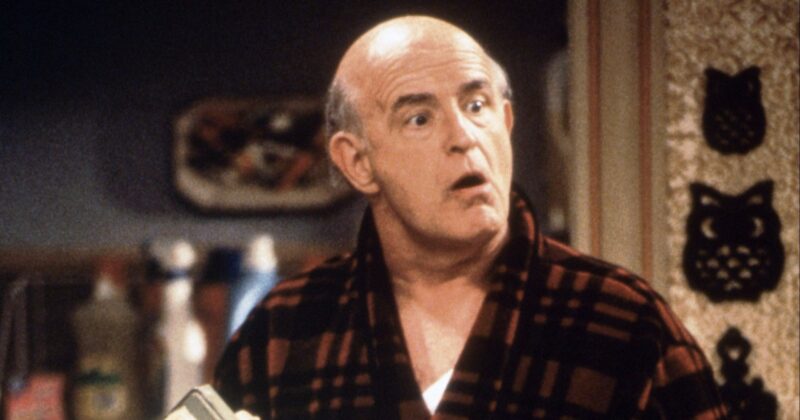
In a rare introspective turn, ‘Frank’s Tribute’ probes deeper into Frank Barone’s character, exposing his vulnerability when his peers reveal their true feelings about him. The heavy and uncharacteristic tone lingers unsettlingly, especially considering how the series seldom returns to this emotional depth for Frank. Instead of building on potential character development, the episode leaves viewers with an odd sense of unfinished business and tonal dissonance.
How They Met
Flashback episodes can be a treat, but ‘How They Met’ highlights why they’re risky in a character-driven sitcom. The backstory of Ray and Debra’s first encounter, involving an awkward futon delivery, ends up feeling forced and unnecessary—the stakes are low, and the chemistry that usually dazzles is diminished by a premise that simply doesn’t add much to what audiences already know and love about them. Modern sitcom writing has largely abandoned these types of retellings in favor of building on established character arcs in more organic ways.
The Can Opener
Borrowing the ‘Rashomon’ narrative device was bold, but ‘The Can Opener’ falters because the episode’s various perspectives don’t actually reveal anything insightful about the characters. The humor falls flat not just because of repetition, but because each retelling feels randomly assigned rather than true to voice or personality. In today’s era of character authenticity, this kind of storytelling quickly loses its charm.
Italy
Ambitious two-parters can give sitcoms a cinematic flair, but the Barone family’s trip to Italy now plays like an extended travel infomercial peppered with clichés—pizza epiphanies, picture-perfect soccer games, and instant romance for Robert. Recent travel episodes in contemporary comedies have found ways to explore cultural disconnect with more substance and satire, something noticeably missing here. The result? A destination episode that’s more brochure than breakthrough.
Super Bowl
At its best, Everybody Loves Raymond tackles marital tension with wit and realism. ‘Super Bowl,’ however, strains that credibility; Debra’s reaction to Ray picking his buddy for the big game over her feels forced and inconsistent with the show’s usual tone of conflict. There’s a sense today’s viewers are less forgiving of such hyperbolic misunderstandings, expecting more depth—and maybe more teamwork—between couples.
No Roll!
Trying to inject new energy into a sitcom’s sixth season often leads to experimentation. ‘No Roll!’ explores intimacy through a racy board game, but the normally deft touch of the series is replaced with awkwardness veering into slapstick. While sitcoms should occasionally get serious about adult relationships, this episode’s handling comes off more cringe than candid. It highlights the risks of mismatched tone when shifting from comedy to heavier issues without a tight script.
The Annoying Kid
There’s an infamous sitcom trope: the visiting child who tests everyone’s patience. ‘The Annoying Kid’ delivers this to aggravating effect. Spencer, the visitor in question, is less a character and more a raging plot device designed to push the Barones—and the audience—to their limit. Modern sitcoms handle this better, by either subverting the trope or using the chaos to explore deeper familial or social themes. Not so here.
Lateness
Tardiness is a classic marital flashpoint, but ‘Lateness’ reverses the show’s usual balance of empathy. The episode positions Ray as the villain, even when it’s Debra repeatedly causing the issue. The uneven handling muddies the series’ trademark ‘everyone is a little bit at fault’ sensibility. For current audiences, this feels like the show is trying too hard to maintain a formula, rather than letting characters evolve or adapt.
Ally’s F
Episodes focusing on side characters or the Barone kids often tested the show’s strengths. ‘Ally’s F’ is a prime example—the storyline surrounding Ally’s academic struggles and teenage melodrama falls flat, offering little of the sharp, biting commentary on adulthood and marriage that fans truly tune in for. Where today’s comedies can make school woes feel profound or hilarious, this just feels like filler.
The Faux Pas
Cultural sensitivity and comedic timing are a delicate balance. ‘The Faux Pas,’ meant to draw laughs from Ray’s insults during a kids’ basketball game, instead lands as uncomfortable and even mean-spirited by modern standards. The attempt at redemptive humor fizzles since the embarrassment is too real and the character motivations too muddled. As comedies have evolved to punch up rather than down, episodes like this stick out for the wrong reasons.
Everybody Loves Raymond remains a pivotal chapter in TV history, but a few episodes now serve as a lesson in how norms and comedic expectations evolve—highlighting how far television (and audiences) have come in just a short span.