10 Horror Films With No Weak Moments: Tense, Perfect, and Unforgettable

10 Horror Movies Where Every Scene Delivers
Crafting a truly flawless horror movie is a rare feat. In a genre known for its big swings and bold scares, it’s almost expected that even the classics might feature a faltering moment — a too-long monologue, an underwhelming scare, or an awkwardly placed comedic bit. Yet, a select group of films break the pattern, offering a relentless ride from start to finish where every frame matters, delivering continuous tension and artistry. Here, we dive deep into ten horror masterpieces that don’t waste a single second — each one a must-watch for cinephiles and horror aficionados alike.
Sinners
Sinners blends Western crime drama with horror so seamlessly that its genre shift feels organic and earned. The film’s narrative precision is accentuated by an evocative soundtrack — with raw blues sequences and haunting Irish folk, particularly in the mesmerizing ‘Rocky Road to Dublin’ moment. Michael B. Jordan stuns with a dual performance that never feels gimmicky. By embodying two distinct twins, he forms the emotional and dramatic core of the film, earning industry acclaim. Every moment in Sinners meticulously builds its world, so when horror finally strikes, it hits with the full weight of everything before it.
The Bride of Frankenstein
The Bride of Frankenstein remains unique in how it packs gothic tragedy, black comedy, and emotional depth into its brisk runtime. From the Monster’s touching friendship with a blind hermit to Dr. Pretorius’s delightfully deranged blackmail over miniature people in jars, every scene carries purpose and peculiar charm. The reveal of the Bride herself is a storied moment in film history, reflective of the movie’s surgical narrative efficiency. Over eighty years later, its energetic pacing and oddball wit continue to win over old and new audiences alike.
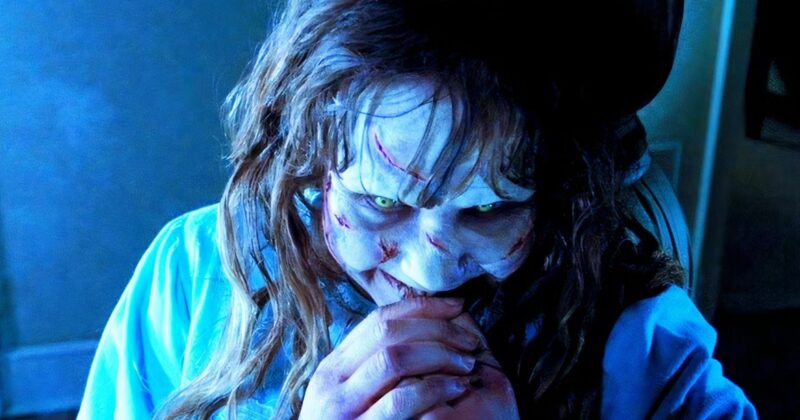
The Exorcist
The enduring terror of The Exorcist isn’t just in its demonic horror, but in the slow, unrelenting build of unease. Even before the supernatural takes center stage, the script invests in the humanity of Chris and Regan MacNeil. Simple hospital visits feel as invasive as possession, and every subtle behavioral shift contributes to the snowballing dread. When the iconic moments arrive, they’re not isolated frights but the devastating consequence of expert, methodical escalation. The film’s legacy in genre cinema is defined by this airtight approach to storytelling, where nothing is wasted.
Alien
Alien redefined science fiction horror by turning mundane acts — corridor walks, ship maintenance, breakfast — into white-knuckle suspense. Inside the Nostromo, nowhere is safe. The slow burn isn’t a flaw; it’s a deliberate tightening of the screws, so that when horror erupts, notably during the infamous chestburster scene, the impact is seismic. The tension hangs as heavily in offhand conversations about quarantine protocol as in the shadowy threat of the Xenomorph, making Alien not just terrifying but mechanically perfect.
Jaws
Steven Spielberg’s Jaws is a clinic in narrative economy. What could have been a formulaic ‘killer shark’ movie becomes a sophisticated thriller. Early scenes ground the tension in the community’s denial and Brody’s private dread, and once the terror begins, it builds with relentless efficiency. The third act deserves its reputation: three men in a boat share legendary chemistry, their quieter moments as captivating as their confrontation with the unseen menace. The film’s restraint — barely showing the shark — turns anticipation into palpable anxiety, setting a gold standard for suspense.
Psycho
Psycho weaponizes audience expectations. Hitchcock’s structure lures viewers into a false sense of narrative security before violently upending it, most notably with the infamous shower scene. From there, tension morphs into something more insidious as Norman Bates slowly takes over the film’s center. No scene feels arbitrary — every moment, including the detective work that follows, is methodically layered to reveal and misdirect. Psycho’s genius lies in its ability to pull the rug beneath your feet, all while guiding you along a carefully hidden track.
Scream
Scream isn’t just a satire; it’s a masterwork of horror structure. Wes Craven balances quippy self-awareness with genuine menace. The opening sequence alone, with Drew Barrymore in a seemingly mundane popcorn-making scene turned nightmare, sets an immediate high bar for atmospheric tension. Dialogues about horror rules become both winking in-jokes and critical exposition. The sense of humor never sacrifices the stakes, and the slasher-mystery hybrid keeps every scene sharp, propelling the audience with equal parts terror and intrigue.
Get Out
Get Out punctured the horror genre with a thriller that blends societal unease with pure, escalating dread. From its opening frames, every interaction, every awkward silence, is loaded with double meanings. The meticulous setup pays off with reveals that feel shocking but inevitable, demonstrating an immaculate sense of pacing and narrative layering.
These films go beyond genre expectations, proving that horror can be as refined and impactful as any prestige drama. Each scene in these movies feels like a brick in a haunted mansion: carefully placed, crucial to the structure, and together building an unforgettable experience for any horror lover willing to enter their doors.