Anime Endings That Nailed the Final Act
Wrapping up an anime story can be a tightrope act. For every series that gets it just right, there are dozens that fumble, leaving fans yearning for closure or, worse, closure that doesn’t do the journey justice. But every so often, a show manages to create a finale so poignant, so narratively complete, that it becomes untouchable—a new standard for storytelling in the medium.
Tsuki ga Kirei: Quiet Realism with Resonance
Few romance anime capture the subtlety of adolescence like Tsuki ga Kirei. Its focus on introverted teens discovering love feels personal and refreshingly grounded. The series builds its emotional core through delicate pacing, culminating in a finale that neither exaggerates drama nor shies from realistic obstacles. Every unresolved thread gets its answer, and viewers are left with the peculiar ache of nostalgia—for first loves and the uncertainty of growing up. It’s a sleeper hit that’s quietly essential viewing for anyone chasing realism in anime romance.
Devilman Crybaby: Chaos Meets Catharsis
Devilman Crybaby is notorious for its relentless intensity, bold visual flourishes, and heavy themes. Attempting to satisfy both narrative ambition and audience expectations in such a wild ride is a tall order. Yet, against all odds, the series concludes with a finale that is both devastating and inevitable. Through a whirlwind of betrayals, existential questions, and heartbreak, Devilman brings every theme full circle, daring the viewer to find meaning among the madness. It’s the kind of ending that lingers long after the credits have rolled.
Bofuri: Light-Hearted Closure for Isekai
Bofuri: I Don’t Want to Get Hurt, so I’ll Max Out My Defense delivers a rare treat in the isekai genre—a true sense of adventure that doesn’t overstay its welcome. With just two breezy seasons, it forgoes the drawn-out sagas typical of its peers in favor of a brisk pace and endearing character moments. The conclusion masterfully wraps up all its plotlines, sending Maple and her quirky guild off with charm intact. It’s proof that sometimes less is more, especially when the journey is this much fun.
Horimiya: Redefining Romance Endings
When Horimiya hit the scene, it quickly stood out for how elegantly it handled romance tropes—sidestepping clichés and instead focusing on authenticity and quirks. While only thirteen episodes long, it manages rich character development with the efficiency most series can only hope for. The second installment, Horimiya: The Missing Pieces, extends the narrative, not by dragging the story, but by adding nuance, letting the audience pick their favorite endpoint. It’s a rare dual ending, each version deeply satisfying in its own right.
Nichijou: Absurd Humor, Perfect Send-Off
Nichijou is chaotic genius, with a comedic rhythm that never lets up. Its ending isn’t so much about plot as it is about delivering a satisfying, laugh-filled resolution to the madcap slice-of-life antics. The show brilliantly gives every beloved character one last moment in the spotlight, making the final episode a festival of humor and heart. It’s a masterclass in how to leave a smile on every fan’s face.
Steins;Gate: Time Travel, Tied Up
No list of near-perfect anime endings is complete without Steins;Gate. Infamous for its complexity, the series spins a labyrinthine tale of quantum physics and human emotion. Pulling together the web of timelines, consequences, and paradoxes was a monumental challenge, but the finale is sincerely rewarding. Every narrative strand converges in an emotionally rich ending that enhances every journey taken by its characters. For fans of sci-fi anime, it’s a benchmark in narrative satisfaction.
Cyberpunk: Edgerunners: Beautifully Brutal Closure
Set in the digital dystopia of Night City, Cyberpunk: Edgerunners expands on the iconic video game universe with raw storytelling and unforgettable visuals. Its ending is uncompromising—nobody wins, and that’s precisely what gives it weight. Instead of placating the audience, it delivers a gut punch that underscores the stakes of the cyberpunk world. For those who crave stories that refuse fairytale outcomes, Edgerunners stands as a testament to impactful finale choices.
Takopi’s Original Sin: Heavy Themes, Elegant Farewell
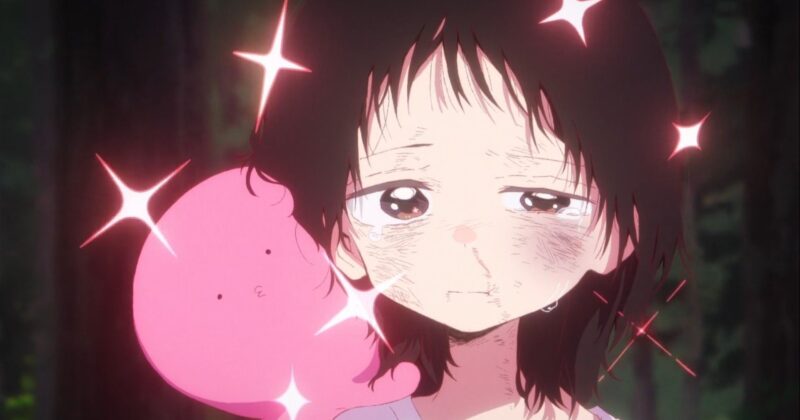
Tackling topics that most anime avoid, Takopi’s Original Sin is brief but shattering, accomplishing in six episodes what many drama series need years to achieve. Its mature, occasionally bleak storytelling crescendos in an ending that is both unexpected and painfully appropriate. For viewers interested in emotional depth and gracefully confronting tough issues, this short series is essential.
Mob Psycho 100: Empowerment and Growth
Mob Psycho 100 defies all expectations. Initially introduced as a quirky, supernatural action-comedy, it evolves into a moving study of identity, power, and self-acceptance. The finale deftly balances explosive action and introspection, showing Mob’s journey from an anxious adolescent to someone genuinely comfortable in his own skin. It’s a profound reminder that even in a world filled with fantastical powers, personal growth is the most compelling story of all.
Fullmetal Alchemist: Brotherhood: Masterclass in Closure
Frequently cited as one of the most tightly written anime of all time, Fullmetal Alchemist: Brotherhood delivers the rarest gift: an ending that feels both epic and intimately satisfying. Every sacrifice, every bond, and every lesson Ed and Alphonse Elric learn echoes powerfully through the finale. It’s the definitive example of an anime that not only ties up every thread, but leaves the audience fundamentally changed—an enduring reference point for brilliance in anime storytelling.