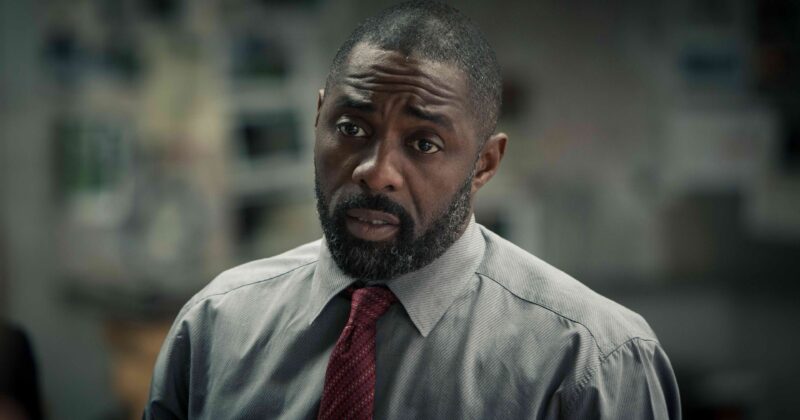
The Meteoric Rise of Idris Elba as TV’s Unstoppable Detective
Few performances in recent TV history have burned as bright as Idris Elba’s gritty portrayal of Detective Chief Inspector John Luther. Before captivating audiences as Stringer Bell in ‘The Wire’, Elba’s steady climb through British television provided him with the depth and skill that would soon define his career. However, it was his turn in the dark psychological thriller Luther that cemented his legacy.
Luther: An Intense Dive into the Mind of a Troubled Detective
Created by Neil Cross, Luther broke the mold for detective dramas. The series introduces us to John Luther returning to the Serious Crime Unit after a harrowing mental breakdown. Battling guilt from his previous case, Luther is immediately thrust back into danger: the double murder of a couple, with their daughter Alice Morgan—a dangerously brilliant psychopath—emerging as prime suspect. What follows is not just a battle of wits, but a psychological chess match between two fractured minds.
Unlike traditional heroes, Luther is racked with demons. His compassion for victims is matched by an obsessive drive that borders on the self-destructive. His willingness to cross ethical lines in pursuit of justice sets him apart from TV’s archetypal sleuths, and demands the kind of multifaceted performance only Elba can deliver.
Idris Elba’s Defining Role: The Heartbeat of the Franchise
At the core of Luther is Elba’s deeply human portrayal—equal parts empathy, ferocity, and unpredictability. The show consistently drew critical acclaim, not just for its tightly-woven mysteries, but for its unflinching look at the cost of policing for those on the frontlines. Elba doesn’t just play Luther—he embodies every unresolved trauma and every flicker of hope that drives the detective forward, making it impossible for viewers to look away.
One Show, Many Interpretations: Global Luther Adaptations
What began as a five-season UK series soon transformed into an international sensation. Luther inspired a wave of global adaptations, each reinterpreting the formula for their own audiences. Russian viewers discovered Klim; Korean audiences were gripped by Less Than Evil; India created Rudra: The Edge of Darkness; and French television offered its spin as well. Each adaptation stands as a testament to the universal appeal of a deeply flawed but compelling hero haunted by an unrelenting sense of justice.
Luther: The Fallen Sun and the Expansion into Cinema
The franchise’s magnetic pull led to its first cinematic release, Luther: The Fallen Sun, directed by Jamie Payne and available on Netflix. The film picks up on the relentless energy and emotional stakes that made the original series so addictive, paving the way for a string of upcoming movies with sequels already in development for 2026. While critical reception was mixed, the door is wide open for Elba’s Luther to evolve on a larger scale—potentially drawing even bigger global audiences.
Why Luther Remains a Must-Watch for Crime Series Fans
Luther continues to thrive because it refuses to shy away from complexity. At a time when streaming platforms are inundated with formulaic detective stories, the show’s realistic portrayal of trauma, obsession, and redemption cuts through the noise. This isn’t just a series about catching killers—it’s about grappling with the darkness within, and making impossible choices under extraordinary pressure.
With more movies on the horizon and international adaptations continuing to flourish, Luther stands as a defining chapter in Idris Elba’s career and a touchstone for psychological thrillers worldwide. For fans of intense, character-driven storytelling, the saga of John Luther remains an essential, ever-evolving journey.