Why ‘Lost’ Set the Gold Standard for Sci-Fi Pilot Episodes
The Art of the Sci-Fi Pilot: Setting the Stage with ‘Lost’
The arrival of a pilot episode can define a show’s legacy before the opening credits even fade. In the realm of science fiction television, few debuts have ever matched the sheer impact and artistry of ‘Lost’. From its unforgettable opening on a chaotic beach to its mysterious undertones, the series’ first episode delivered a seismic shift in what viewers expected from ambitious TV.
Breaking TV Conventions
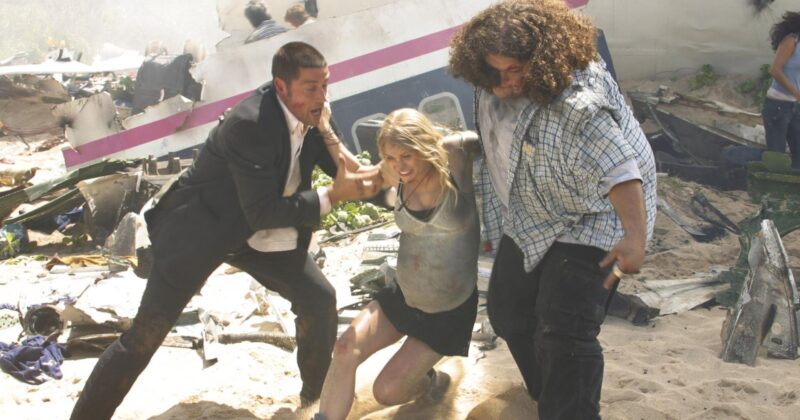
Most pilots make cautious introductions, dipping toes into narrative waters with measured exposition. ‘Lost’ tossed that blueprint out the window. Instead, audiences were thrust into the violence and confusion of a plane crash, scattered among a massive ensemble cast—instantly memorable personalities like Jack, Kate, Hurley, and Charlie, whose quirks and secrets would gradually unfold.
Every frame felt meticulously constructed, signaling right from the start that no character was safe. The literal ‘pilot’ being killed off set a precedent: unpredictability reigned, and stakes were real. Even longtime TV fans found themselves frantically theorizing, speculating, and rewatching in search of subtle foreshadowing cleverly baked into the initial narrative.
World-Building on a Grand Scale
‘Lost’ established its isolated island as a space of both natural beauty and inexplicable terror, with threats like polar bears and unseen monsters lurking at the edges. The show’s creative team poured its impressive budget into expansive set pieces—like the haunting wreckage of Flight 815—and striking practical effects that left a lasting mark on TV visual storytelling.
Importantly, the series never sacrificed character depth for spectacle. Instead, it used sharp flashbacks—already masterfully integrated from the pilot—to enrich the mystery, dribble out backstories, and keep viewers deeply invested in each survivor’s fate.
The Age of Streaming and the Evolving Pilot
Since the rise of on-demand viewing, the suspenseful anticipation between episodes has all but disappeared. Entire seasons launch in a single drop, encouraging rapid consumption but often muting the power of a truly great pilot. Shows rarely take the high-wire risks that defined ‘Lost’’s opening: bold twists, expensive set pieces, and instant deep dives into mythos, all gambling that audiences would stay intrigued for the long haul.
Streaming platforms are also quick to pull the plug on underperformers, forcing showrunners into safe territory. This culture has contributed to a sense of homogenization, where the opportunity to create the next ‘Lost’-like pilot—capable of igniting global conversation and endless fan theories—feels elusive.
Rewatchability and Cultural Impact
The ‘Lost’ pilot remains one of the most rewatched openers in genre history. Every revisit unearths new clues and crafted details missed on a first viewing, a testament to its dense storytelling. The pilot inspired a wave of online forums and communities, making it a touchstone in the digital transformation of fan engagement. Today, even as TV multiplies across platforms, the structure and ambition of ‘Lost’’s beginning continue to shape expectations for science fiction debuts, establishing a legacy that many modern series aspire to match.
For fans of mystery, technology, and pop culture who crave more layered beginnings and daring first episodes, ‘Lost’ serves as a powerful reminder of what television can achieve when storytellers are allowed to experiment on a grand scale.