The Vanishing of Willow: When Streaming Erases a Fantasy Legacy
The rise of streaming platforms has given fans unprecedented access to movies and series they once only dreamed of binging, yet this new era has also brought about the silent disappearance of titles once celebrated. One such high-profile casualty is Willow, the fantasy TV series that boldly picked up where Ron Howard’s cult classic film left off, only to vanish entirely from Disney+ as if it never existed. It offers a cautionary tale about how studios treat IP under the modern streaming business model—and what happens when valued stories are written out of history for corporate convenience.
Fantasy Series: Quality Does Not Guarantee Longevity
Modern fantasy and sci-fi series have always faced an uphill battle: production costs are high, expectations even higher. Disney+ has wielded enormous influence since its arrival, leveraging iconic franchises in the process—including Star Wars and Marvel hit machines. Yet the fate of original titles outside this core remains precarious. Willow joined a growing list of axed projects, including ambitious efforts like Renegade Nell and American Born Chinese, all summarily executed if their audience figures don’t reach viral status almost instantly. And where some shows remain available in suspended animation, others are wiped out completely—leaving fans nowhere to revisit their favorites.
The Willow Series: Legacy, Cast, and the Heart of the Story
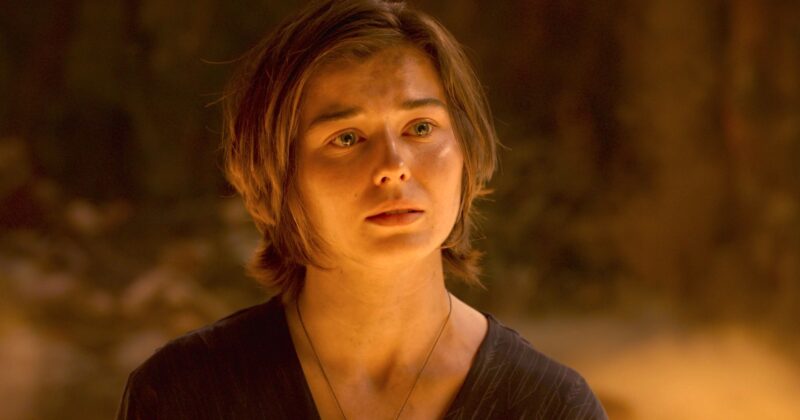
Debuting on Disney+, Willow wasn’t merely a nostalgia play for 80s movie fans. It returned with beloved actors—most notably Warwick Davis and Joanne Whalley—reprising their legendary roles, while introducing a new generation of stars like Ellie Bamber, Ruby Cruz, and Erin Kellyman. The story picked up decades after the events of the original film, following Elora Danan as she stepped into her own prophecy alongside Willow and a vibrant cast of adventurers. The show’s blend of high-fantasy worldbuilding, charismatic performances, and heartfelt inclusivity quickly earned it an 84% score on Rotten Tomatoes, with critics and viewers alike praising its balance of sincerity and accessible fun.
One standout element: Willow didn’t try to treat its lore with needless gravitas. Reviewers commended the series for focusing on ‘fun rather than self-importance’ in an era where most legacy IP is burdened with pseudo-mythological seriousness. It also gained particular recognition for its queer storyline, deftly embedded in the central cast—something that set it apart in a streaming landscape where authentic representation has often felt more like checkbox than soul.
Why Did Disney+ Remove Willow Entirely?
The abrupt removal of Willow didn’t stem from poor reviews or outspoken backlash. Instead, it was collateral damage in a larger financial strategy. In an effort to cut costs, Disney+ axed nearly 50 titles from its platform as part of a 2023 cost-cutting initiative, writing off the value of these erased assets for tax benefits. As a result, dedicated fans—championed by Warwick Davis himself on social media—were left perplexed, unable to even revisit the show they once championed. The digital erasure of Willow stands as a stark reminder: streaming ownership is at the mercy of ever-shifting corporate priorities.
The Streaming Paradox: Cultural Memory vs. Corporate Balance Sheets
What’s most frustrating for fans is that, while some axed series are left online as tokens of what-might-have-been (even if they never get the closure of a second season), Willow has been wiped clean. No option to binge, no way to introduce new audiences, no digital library to keep its legacy alive—and no studio plans to bring it back. For those who came for pure adventure and unburdened fun, or who saw themselves represented in ways still rare in mainstream fantasy, Willow’s digital evaporation is more than a lost show: it’s a cultural disappearance.
For now, Willow remains an emblem of both what’s possible and what’s at risk in the streaming era—where technology allows us to watch whatever we want, until the accountants say we can’t.