Why Apple Users Are Frustrated by Expensive Accessories Becoming Quickly Obsolete

Apple Accessories: Premium Prices with a Short Shelf Life
If you’ve spent any time in the Apple ecosystem, you know the brand has a near-magical ability to create accessories tailor-made for each device. From the beloved Magic Keyboard and Smart Folio for iPad Pro to the latest AirPods Pro, these extras promise to elevate your experience—until it’s time to upgrade. What should be a celebration of new tech can quickly become a moment of sticker shock and frustration when you realize your pricey add-ons are suddenly incompatible, with little support or incentive from Apple to keep them out of the e-waste pile.
A Costly Cycle of Compatibility
The frequent evolution of Apple devices is both their strength and their Achilles heel. For example, users upgrading from a previous iPad Pro to a new model can discover the entire magnetic system has changed, making their old Magic Keyboard and Apple Pencil useless with the latest generation. This isn’t a rare quirk; it’s a pattern. As Apple’s hardware evolves—sometimes with major overhauls to magnets, connectors, or software—you’re expected to repurchase accessories that were designed exclusively for a now-obsolete model.
Unlike trading in an old iPhone or Mac, Apple does not offer trade-in credits or incentives for accessories. If you paid $129 for your Apple Pencil just a year or two ago, seeing resellers offer only a handful of dollars for an accessory in perfect condition feels more than a little unfair. This cycle sends a clear message: either keep up with Apple’s pace and accept sunk costs, or resign those gadgets to a drawer.
Why Apple Should Expand Its Trade-In Program
There’s an obvious solution Apple continues to ignore: a formal trade-in or recycling incentive for its own premium accessories. Imagine being able to exchange that gently-used Magic Keyboard or Apple Pencil for credit toward the latest accessories. Not only would this make upgrades more affordable, but it would keep functioning tech in circulation and out of landfills—something Apple often touts as a corporate social responsibility initiative. For users, this approach would reinforce loyalty, and for Apple, it would close the loop on its product ecosystem. It’s also a tangible win for sustainability, as more accessories would see a true lifecycle rather than instantly becoming waste the moment a new generation arrives.
Smart Ways to Handle Old Accessories Right Now
While you can’t currently trade accessories back to Apple for credit, you do have options that go beyond tossing them in the trash. Here’s how to reclaim value and extend the lifespan of your old gear.
1. Recycle Responsibly
Recycling is more accessible than ever. Staples stores, for example, accept a wide variety of tech accessories for recycling and may even offer store credit in return. If there’s not a third-party option nearby, Apple will let you send in accessories for recycling by providing a prepaid shipping label. However, be aware that, unlike device trade-ins, this comes with no financial incentive—you’re simply helping the environment.
2. Pass Them On
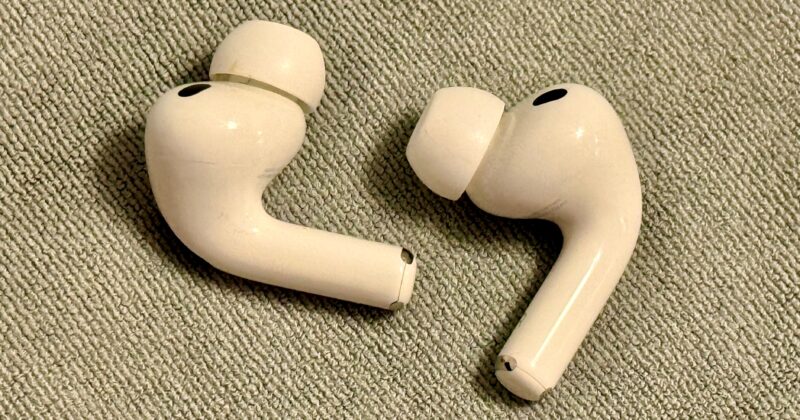
Hand-me-downs never go out of style, especially with tech. AirPods, AirTags, and even cases or screen protectors can be lifesavers for friends and family still using older devices. Passing these on not only saves someone the cost of buying new but keeps functional accessories active and useful. For example, when upgrading to the newest AirPods Pro, consider gifting your previous pair to someone in your circle who’s still on an older generation.
3. Consider Selling—But Manage Expectations
If you’d like to recoup some of your investment, selling is an option. Just prepare for significant depreciation—even premium Apple accessories lose value quickly on the secondary market. Platforms like eBay or Swappa might help you find buyers, particularly for popular models that still have demand. However, keep your pricing realistic and focus on quick turnover rather than trying to recover your original expenditure in full.
The Bigger Picture: Tech, Value, and Environmental Impact
This ongoing accessory churn isn’t unique to Apple, but as the dominant player in the premium category, the company is uniquely positioned to lead by example in supporting upgrades that don’t penalize loyalty. The tension between innovation and sustainability is at the heart of modern consumer tech. For users, staying informed about options to recycle, repurpose, or responsibly resell accessories helps reduce waste and softens the blow of change. And as calls for greener practices grow louder, the hope remains that Apple will eventually recognize the long-term value—in PR, loyalty, and environmental stewardship—of treating accessories with the same respect as their flagship devices.