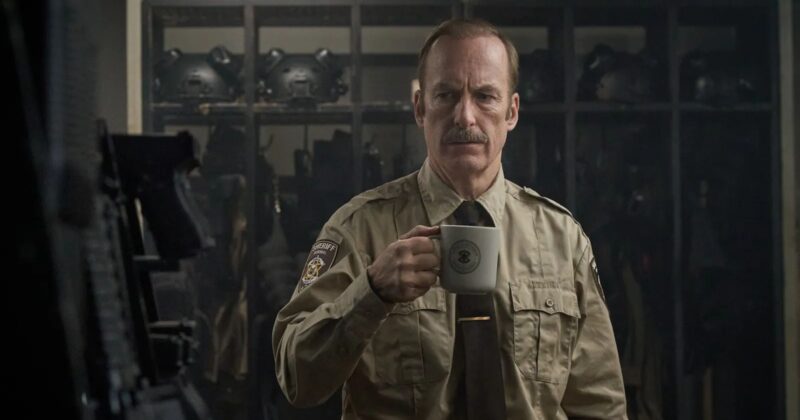
Normal: Small-Town Secrets, Yakuza Intrigue, and Bob Odenkirk’s Darkly Comic Turn Explained

Normal: The Darkly Comic Cinematic Wildcard
In a landscape saturated with formulaic thrillers, Normal emerges as an audacious mix of black comedy, sharp action, and a searing exploration of what people will do to survive. Anchored by Bob Odenkirk’s captivating performance as Ulysses, the story unspools in the kind of placid American town cinema loves to mythologize—before gleefully tearing that mythology to shreds. The result is a film that swings between the outrageous and the emotionally bruising, all while keeping viewers guessing about the nature of its eponymous town and its quirky sheriff-for-hire.
From Slice-of-Life Charm to Blood-Soaked Mayhem
Ulysses drifts from town to town as an interim sheriff, each gig another chapter in his detached existence. When he lands in insular, snow-swept Normal, Minnesota, the laid-back pace and seemingly simple community matters suggest a comedic, low-stakes ride—the kind of movie where eccentric townsfolk and personal redemption are the order of the day. Odenkirk, leveraging his talent for deadpan gravitas, initially sets a tone reminiscent of his turn in Nobody, with the action dialed down and the quirkiness high.
This tranquility soon curdles. The story takes a sharp, almost Coen Brothers-esque twist when a botched bank robbery uncovers the dark reality at Normal’s core. The aftermath—betrayals, comedic shootouts, and a body count that climbs with Looney Tunes logic—catapults the film into territory that oscillates between absurdist carnage and poignant introspection.
The Town’s Explosive Secret: Yakuza Partnership
The defining revelation of Normal is its outlandish yet disturbingly believable secret: the town is a front for the Yakuza, Japan’s legendary criminal syndicate. Beneath its khaki-and-flannel exterior, Normal’s economy hinges on a covert deal—hosting the Yakuza’s illicit assets in exchange for desperately needed financial relief.
This deal has consequences. The town, battered by economic decline, finds itself complicit in crime out of self-preservation. When Ulysses stumbles into this world, he’s immediately at odds with citizens-turned-accomplices and forced into a survival game rife with moral compromise. The escalation to faceoffs with Yakuza operatives injects the narrative with manic energy and a stinging commentary on how the «greater good» can spiral into collective madness. In typical action-comedy spirit, each reveal is played for both shock and laughter, yet rings with a contemporary resonance—America’s small-town struggles and the shadowy global forces now influencing them.
Ulysses’ Haunted Past Fuels His Actions
Much of the emotional undercurrent flows from Ulysses’ inner life. His haunted nights and emotionally distant demeanor are steadily unpacked through nightmares, hesitant barroom confessions, and strained voicemails to his estranged wife. The emotional complexity comes to a head in a quietly devastating flashback: years ago, loyalty blinded him to the abuse of a local woman, resulting in a deadly showdown that left him emotionally fractured and gun shy about making connections.
This deeply human flaw isn’t just melodrama. It drives his refusal to abandon the town—even as its secrets threaten to consume him—and shapes his determination to save those who can still be saved. Bob Odenkirk’s nuanced portrayal capitalizes on the slow drip of regret and resolve, imbuing what could have been a punchline character with genuine resonance. It’s a sharp counterpoint to the film’s most outlandish violence, grounding the narrative in the consequences of willful ignorance and the road to self-forgiveness.
The Blood-Soaked Finale: Who Survives Normal?
Instead of building toward a conventional hero-villain showdown, Normal delivers a riotous, multi-sided firefight as alliances blur and the line between good guys and bad guys evaporates. Ulysses, Alex (his rookie deputy), and a pair of sympathetic bank robbers orchestrate a booby-trapped stand-off while negotiating a fragile ceasefire with the town itself—all in a desperate gambit to keep the Yakuza in the dark.
The chaos that follows is both spectacular and sly, culminating in a comic anti-climax: the accidental death of the Yakuza boss. When the dust settles, only Ulysses, Alex, and a deputy named Blaine are left standing. While Ulysses and Alex move on together, finding fresh purposes in their partnership, Blaine remains behind, sliding smoothly into his role as cover-up sheriff as Normal continues its shadowy existence—at least for now.
Layered Commentary in Anarchy’s Clothing
Beneath the surface anarchy, Normal is expertly layered. Its core story—of an alienated lawman forced to reengage with the world just as the world loses its mind—recalls classics like Hot Fuzz and even Fargo, but with a distinctly modern bite. Vivid secondary characters, from the ruthless yet pragmatic mayor to the desperate townsfolk willing to become lethal at the drop of a hat, paint a sharp portrait of survival at all costs. The havoc is comic, but the commentary is pointed: What lines will a desperate community cross to survive? How easily do principles crumble under the weight of poverty and outside influence?
In balancing outlandish setpieces with raw, character-driven moments, Normal achieves the rare feat of making its violence meaningful without sacrificing its breakneck entertainment value. Through Ulysses’ journey, viewers find not just bombastic action but a meditation on community, accountability, and what it takes to carve hope out of chaos. The town’s final compromise—living under the Yakuza’s watchful eye—remains a provocative talking point for anyone drawn to stories where the absurd is always one step away from the real.