GOAT: Why Caleb McLaughlin Became the Heart of Sony’s Latest Animated Triumph

The Making of GOAT: Why Caleb McLaughlin Was the Perfect Choice
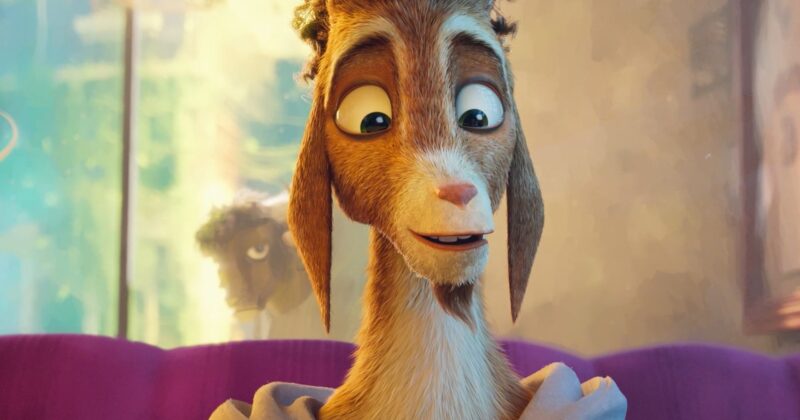
Animation, star power, and a heartfelt performance come together in one of the most talked-about animated releases from Sony. With GOAT, audiences worldwide have been introduced to Will, a protagonist brought to life by Caleb McLaughlin, whose casting has generated significant buzz among fans of animated cinema and genre storytelling.
Behind the Scenes: Discovering the Ideal Will
In a recent behind-the-scenes reveal, the creative team highlighted the reasons Caleb McLaughlin stood out during the selection process. Known for his breakout roles in TV and streaming, McLaughlin brought not just his recognizable voice but a layered emotional depth to Will. Directors and animators alike have praised his ability to infuse the character with authenticity, making Will immediately relatable to younger audiences and adults alike.
GOAT’s creative director emphasized how important it was for the main character to feel real, despite being animated. McLaughlin’s performance goes beyond simple voice acting; it’s about understanding the subtle emotional beats of a scene—something industry professionals often highlight as the key to bridging the gap between animated art and live-action connection.
The Voice Behind an Animated Icon
Caleb McLaughlin has made a name for himself with performances that balance vulnerability and confidence, qualities that shape Will’s journey throughout GOAT. His nuanced delivery is particularly evident in scenes where Will confronts major challenges, embodying themes of growth, resilience, and friendship. This resonated with the animation team, leading them to further tailor Will’s facial animations to match McLaughlin’s expressive vocal work—a sign of the collaborative evolution in modern animation.
From Auditions to Animation: The Selection Process
The search for the film’s lead involved an extensive audition process, with numerous talented actors considered. However, it was clear from early test recordings that McLaughlin’s interpretation brought a freshness and sincerity difficult to replicate. The casting directors noted his ability to adjust tone, timing, and emotion on the fly, attributes that demand both technical skill and a strong sense of character identity.
Sound design also played a critical role, with editors sculpting the audio to maximize the emotional impact of McLaughlin’s performance. That synergy between actor and post-production team is increasingly crucial in today’s animated features—and GOAT represents a standout example.
What Makes Will Different?
In the landscape of animated protagonists, Will stands apart for embodying both vulnerability and aspirational courage. Through McLaughlin’s voice, viewers experience a protagonist who not only reacts to the world around him but also grows in believable ways. The character’s journey—from moments of doubt to ultimate triumph—mirrors narratives that resonate cross-generationally, inspired by classic coming-of-age films while firmly rooted in contemporary sensibilities.
GOAT is part of a broader trend where animated films aim for deeper emotional engagement and layered storytelling. As studios continue to explore the boundaries of digital performance and character authenticity, casting decisions like Caleb McLaughlin’s for Will are increasingly viewed as pivotal to a movie’s success, both critically and commercially.
GOAT and the Future of Animated Storytelling
This film marks a fresh direction for Sony’s animation division, focusing on dynamic characters and relatable struggles. For fans who love keeping an eye on the intersection of technology, pop culture, and meaningful storytelling, GOAT stands as a milestone. The movie not only spotlights Caleb McLaughlin’s talents but also showcases how voice acting and modern animation come together to captivate audiences worldwide—setting the bar for what the next wave of animated features can achieve.