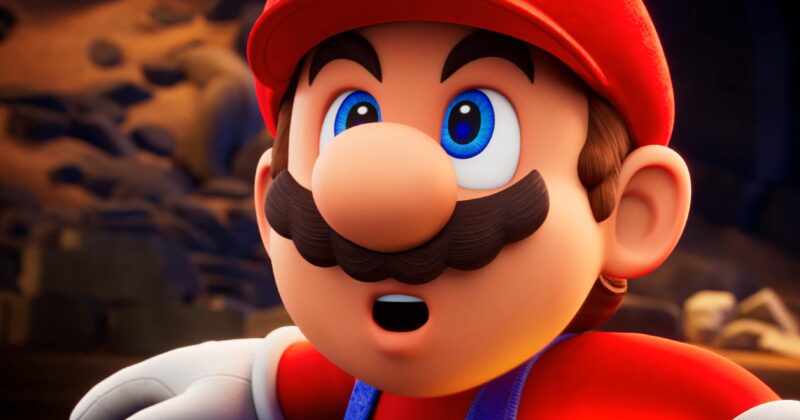
Nintendo Launches Bold Legal Action Against U.S. Government Over Tariffs

Nintendo Challenges U.S. Tariff Policies in Unprecedented Lawsuit
Nintendo of America has taken a dramatic step rarely seen in the entertainment and gaming industry: it’s officially filed a lawsuit against the U.S. Government, targeting federal departments and key officials for their role in the imposition of tariffs that have swept through the tech and gaming sectors in recent months. This move stems from a wave of executive orders that saw tariffs applied on an extensive range of imports, deeply affecting both manufacturing strategies and consumer pricing across the industry.
Inside Nintendo’s Fight: Billions at Stake
For Nintendo, these tariffs were much more than a bureaucratic annoyance—they disrupted the rollout of major releases like the highly anticipated Switch 2. With supply chains pivoting under financial pressure, hardware prices adjusted upward, triggering confusion and criticism among die-hard fans and newcomers alike. Nintendo, however, is staying laser-focused in its complaint: it wants the return—plus interest—of all duties paid under these now-contested measures.
Legal documents detail how the tariffs collectively garnered more than $200 billion before a recent U.S. Supreme Court decision invalidated a significant portion of the executive orders behind them. Notably, the court’s ruling left open the critical question of refunds. Nintendo is seizing this opportunity, demanding restitution for its losses now that the legal precedent behind the tariffs has unraveled.
An Industry-Wide Ripple Effect
Nintendo’s lawsuit could set a crucial precedent as other tech giants and international brands—similarly impacted by the 2025–2026 tariff impositions—consider their own legal strategies. The ramifications extend well beyond a single company; this could trigger a wave of litigation from electronics makers, console competitors, and perhaps even major software publishers seeking to restore balance sheets and investor confidence.
Meanwhile, the consumer perspective remains complicated. While companies like Nintendo may win returns on a massive scale, it’s unclear if or how those savings will translate into lower hardware prices or restored supply normalcy anytime soon, especially as the U.S. administration floats new global tariff frameworks that threaten fresh rounds of trade controversy.
Nintendo’s Legal Reputation: A Different Kind of Showdown
Nintendo has never shied away from the courtroom, though historically, its legal battles have often centered on defending intellectual property—sometimes controversially—against indie creators and fan projects. This time, however, the target is the most powerful government in the world, not underground developers or small studios. The broader gaming community is already voicing support for Nintendo’s position, seeing the lawsuit as a rare stand for corporate accountability in the tangled web of international trade policy.
With its history stretching back to 1889 and an unmatched catalog of consoles from the Nintendo Switch and Wii to the Super Nintendo Entertainment System, Nintendo occupies a unique position at the intersection of heritage and cutting-edge innovation. What happens next in this legal drama could determine the future landscape not just for Nintendo, but for the entire world of interactive entertainment, supply chains, and global technology access.