Outlander and Game of Thrones: The Epic Tale of Endings
When it comes to sprawling fantasy series, few names carry as much weight in pop culture as Outlander and Game of Thrones. Both have captivated audiences with their intricate plots, multidimensional characters, and high-stakes drama. Yet, a major difference now defines their legacy: how each show chooses to conclude its tale.
Game of Thrones: The Shadow of a Legendary Letdown
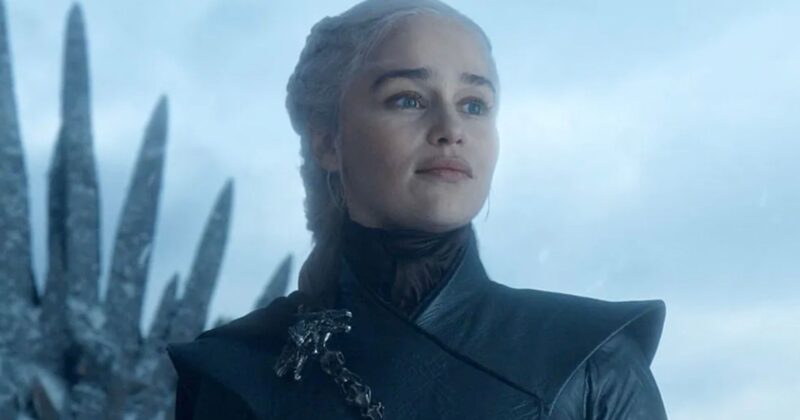
At its peak, Game of Thrones exploded beyond genre boundaries. It turned its stars into household names and triggered a deluge of mature fantasy series across the industry. Yet, the series’ hurried, divisive ending transformed celebration into cautionary tale. Despite a follow-up like A Knight of the Seven Kingdoms or the success of House of the Dragon, nothing truly erased the bitterness left by Daenerys and Jon Snow’s controversial arcs.
Outlander’s Unpredictable Journey Across Time
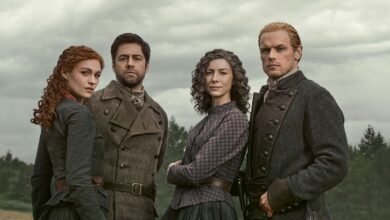
Outlander tells a different kind of fantasy—one rooted as much in passion and politics as in swords and destiny. Adapted from Diana Gabaldon’s acclaimed novels, the series follows Claire (Caitriona Balfe), a 20th-century military nurse who is swept back to 18th-century Scotland. Her romance with Highlander Jamie Fraser (Sam Heughan) intertwines personal stakes with major historical events, from Scottish clan wars to the American Revolution.
As the seasons unfold, viewers have journeyed with Claire and Jamie from the brooding Highlands to the candlelit salons of Paris, the bustling streets of Boston, and the vast plantations of the West Indies, before facing the tinderbox of colonial America. The time-traveling backbone adds a unique sci-fi layer, but fundamentally, Outlander thrives on its historical and romantic core. Villains like Black Jack Randall ensure tension, while a shifting political landscape makes every alliance uncertain.
The Challenge of the Unfinished Source Material
Just as Game of Thrones overtook George R.R. Martin’s published novels, Outlander now faces a similar crossroads. Its eighth and final season is based on Gabaldon’s ‘Go Tell the Bees That I Am Gone’, the penultimate book, with the promised final volume still being written. This leaves the showrunners with the creative burden (and opportunity) to design a finale that must honor the entire saga, satisfy fans, and perhaps, dodge the pitfalls that haunted Westeros.
Critical Acclaim and Consistency: Outlander’s Biggest Assets
What sets Outlander apart is its consistent track record with critics. From its debut, the blend of historical authenticity, mature romance, and understated time-travel has drawn broad praise. While Game of Thrones struggled in its latter years, Outlander’s boldness in mixing romance with grit and genuine emotion has only deepened its appeal. Its standout performances and evocative settings have kept viewers absorbed, while the adaptation has deftly trimmed and rearranged the dense source material.
Unlike other adult fantasy dramas, Outlander never relied solely on spectacle. It explored trauma, loyalty, and the cost of defiance—and gave space for complicated, evolving relationships that rarely fall into cliché. That emotional resonance may be crucial as the show approaches the finish line.
Could Outlander Become the Next Fantasy Classic?
The final season now stands poised to attempt what few fantasy series have achieved: a satisfying and coherent conclusion without complete source material to guide every step. If successful, Outlander could recontextualize what audiences expect from epic finales and set a new standard for adaptations that dare to take risks with their own mythologies. Time will tell, but the stakes have never been higher in the world of fantasy television.