Prime Video’s ‘Undone’: The Sci-Fi Masterpiece That Rewards Every Rewatch

The Sublime Puzzle of ‘Undone’
When it comes to bold and cerebral science fiction, Prime Video has been quietly stepping up its game. One of its most fascinating offerings—‘Undone’—manages to blend mind-bending narrative devices, emotional resonance, and a jaw-dropping visual style, forging a series that whispers for a second viewing as much as it dazzles on the first. Unlike many series whose illusions unravel under scrutiny, ‘Undone’ actually blossoms when revisited, its hidden layers finally surfacing through a second look.
Nonlinear Journeys, Reality Shifting
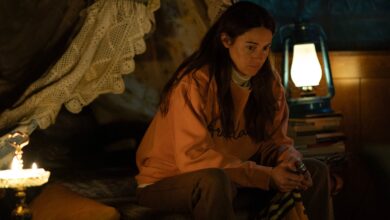
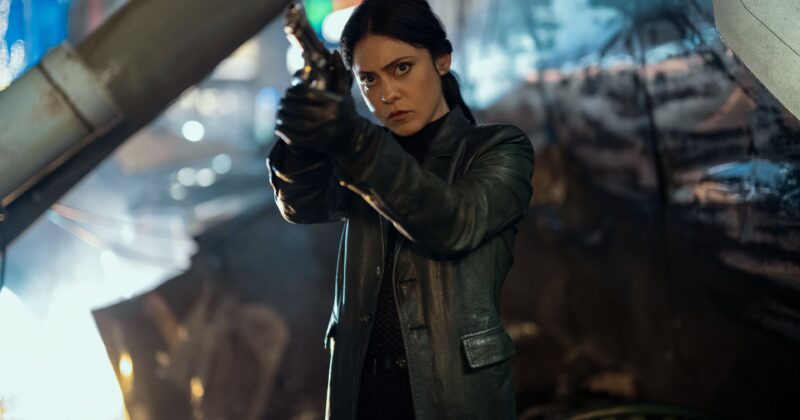
At its core, ‘Undone’ is a narrative maze. The show doesn’t just play with alternate realities or strange timelines for the sake of spectacle—it uses nonlinear storytelling as its emotional engine. On a first watch, the sheer volume of shifting realities, emotional flashpoints, and cryptic clues can be dizzying. Alma, the protagonist rendered brilliantly by Rosa Salazar, finds herself drifting between the familiar and the uncanny, her perceptions as unstable as the world itself. For audiences, this means immersion in a unique blend of sci-fi rooted deeply in psychological exploration—one where every timeline jump has weight, every oddity has purpose.
The Art of Rotoscoping: More Than Aesthetic
‘Undone’ stands out visually thanks to its stunning rotoscope animation, a technique rarely seen in contemporary prestige TV. At first glance, the method adds to the dreamlike, surreal atmosphere, floating viewers through a haze of memory and possibility. But on a second watch, the artistic decision becomes a narrative signal: the rotoscoping echoes Alma’s mental state, reflecting her shifting grip on reality and representing the show’s fluid relationship with truth and memory—not simply serving as eye candy.
Why Rewatching Is a Must
What elevates ‘Undone’ above many other sci-fi entries is its embrace of subtlety and intricacy. First-time viewers may be left with more questions than answers, as poignant moments and seemingly minor details slip by. But second-time viewers are rewarded with the realization that the writing is tight and intentional. The breadcrumbs—visual motifs, emotional cues, tiny narrative gestures—snap together, bringing clarity to Alma’s journey and the show’s broader commentary on perception and trauma. This multilayered storytelling is reminiscent of classics that champion complex, nonlinear plots: think Donnie Darko, Dark, or even certain arcs in Doctor Who.
Cultural Context: The Rise of Thoughtful Sci-Fi on TV
While Prime Video might not have the same sci-fi pedigree as Apple TV, it’s rapidly building a compelling portfolio. Shows like ‘Undone’ help to reposition the platform as a haven for viewers seeking intelligent, conversation-starting stories. Its focus on speculative concepts grounded in real psychological struggles taps into a contemporary appetite for science fiction that challenges and engages—not just entertains.
Tips for Your Second Journey
- Watch for Color Motifs: Notice how color palettes signal shifts in timelines and Alma’s mental state.
- Focus on Supporting Characters: Alma’s family are not just background players; their actions and dialogues gain greater weight the second time around.
- Pause on Key Visuals: Rotoscoped details—like fragmented reflections or shifting backgrounds—are loaded with symbolism, not just style.
For any fan of innovative TV, ‘Undone’ belongs in your watchlist—twice. Each viewing offers a different experience as the puzzle pieces interlock with more clarity, rewarding both the heart and the mind in ways few sci-fi series dare attempt.