Devil May Cry Returns: The Video Game Adaptation Netflix Needs After The Witcher

The Meteoric Rise and Tumultuous Fall of Netflix’s The Witcher
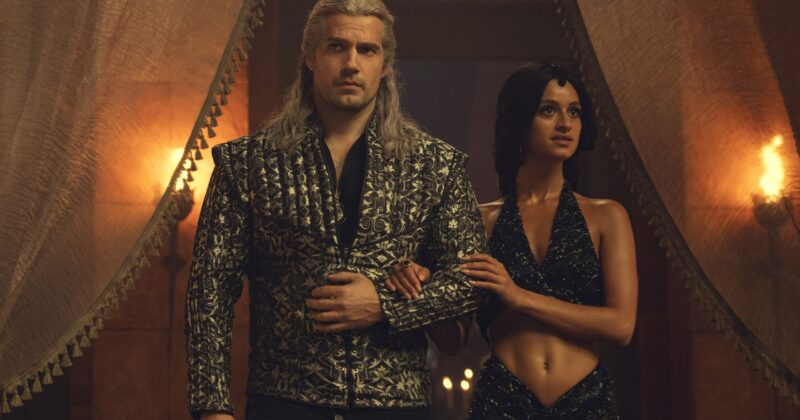
Few adaptations in recent memory have generated as much initial excitement—and subsequent debate—as The Witcher. Launching with undeniable momentum, the series perfectly captured the dark, monster-ridden world of Andrzej Sapkowski’s novels and the cult classic video game franchise. The casting of Henry Cavill as Geralt of Rivia was a masterstroke—his brooding intensity and passion for the material resonated deeply with longtime fans. Early episodes channeled the gritty, morally gray storytelling style that defined both the source material and the Witcher’s gaming legacy.
But as the seasons progressed, the show began to drift. Narrative choices led to consternation among diehard followers, and when Cavill stepped away from the role, many felt the very heart of the series was lost. Attempts to expand the franchise with spinoffs further diluted its identity, exposing how precarious the balance is between adaptation and reinvention.
Devil May Cry: A New Benchmark for Animated Adaptations
As The Witcher’s star dimmed, another iconic gaming world took the spotlight. Netflix’s Devil May Cry animated series landed as a stylish, unapologetically bold adaptation of the Capcom classic. Anchored by the demon-slaying mercenary Dante, the first season delivered a heady cocktail of over-the-top action, horror-fantasy aesthetics, and a self-contained story that respected its roots. Importantly, showrunner Adi Shankar committed to honoring the franchise’s core while making the world accessible—even for viewers with no prior knowledge of the intricate Devil May Cry mythos.
What sets this adaptation apart? For one, it resists bloating the narrative with unnecessary subplots or fan service. From its heart-pounding battle choreography to its razor-sharp dialogue, Devil May Cry never lets up on style or pacing. And with a plot that pits Dante against catastrophic, multidimensional threats orchestrated by the enigmatic White Rabbit, every episode doubles down on the series’ signature chaos and humor.
What Devil May Cry Does Right—and What Other Game Adaptations Can Learn
Faithfulness is key, but it’s not about rigidly recreating scenes frame by frame. Instead, Devil May Cry demonstrates why respecting character arcs, world-building logic, and thematic resonance pays off. The series leans into the «monster-of-the-week» structure that made its source so beloved, blending standalone action set-pieces with a larger narrative that feels earned. Unlike The Witcher, which at times lost focus due to sprawling subplots and franchise fatigue, Devil May Cry maintains a tight scope, always returning to the pulse of Dante’s journey.
- Stylish Action: Expect inventive combat choreography that channels the kinetic energy of the games.
- Accessible Lore: Season 1’s story welcomes newcomers without overwhelming them in backstory, a crucial move for expanding audience appeal.
- Mature Themes with Humor: The blend of horror and levity strikes just the right balance for both fans and first-timers.
Why Season 2 Matters for Netflix and the Future of Game Adaptations
The anticipation for Devil May Cry’s second season isn’t just about more demon-slaying and flamboyant swordplay—it’s about restoring faith in Netflix’s skill with genre adaptations. After The Witcher’s widely publicized missteps, viewers are looking for evidence that a platform can deliver consistent quality and respect for beloved IP. Season 2 has the perfect opportunity to reaffirm the importance of creative vision, tight storytelling, and fan-first adaptation strategies.
With Henry Cavill soon making headlines again for his involvement in the upcoming Warhammer adaptation, the appetite for more faithful and immersive fantasy worlds has never been stronger. Yet, Devil May Cry’s unique flavor—irreverent, action-packed, and visually inventive—remains uniquely its own. It’s not just another fantasy series; it’s a statement about the future of video game stories in streaming television.