Why Netflix’s One Piece Live-Action Just Keeps Getting Better: A Deep Dive Into Season 2’s Magic

The Evolution of Netflix’s One Piece: Season 2 Unleashed
Few franchises have been met with as much skepticism—and eventual affection—as Netflix’s live-action adaptation of One Piece. After a rocky history with anime adaptations, expectations soared and then burst into applause with the debut season. Turning the impossible manga world of pirates and Devil Fruits into a tactile reality was never meant to be easy, but One Piece’s confident tone shattered every curse. Season 2 arrives even bolder, juggling wilder powers, larger-than-life creatures, and the kind of whimsical menace that defines Eiichiro Oda’s legendary universe.
Mastering the Tone: When Absurdity Meets Authenticity
Live-action One Piece finds its core in tone. This is a universe where a villain brandishes candle wax hair and a whale can be both an adversary and a friend. What could easily descend into unintentional parody is instead rendered both majestic and ridiculous, thanks to a careful blend of sincerity and humor. Locales like Loguetown and Whisky Peak step out of animation with vibrancy—historical yet outlandish, with ostentatiously-dressed nobles mingling with talking reindeer and shadowy villains. The show achieves something few adaptations do: the more it leans into the weirdness, the more grounded it feels. A quick-witted nod to the audience, like Nami and Zoro tossing character cards aside, cements an atmosphere where nothing is off-limits—so long as it’s played with heart.
How Season 2 Redefines Action
The first season crescendoed with the unforgettable showdown between Luffy and Arlong. By contrast, Season 2 faces a unique challenge: the next big boss, Wapol, isn’t exactly cut from the same cloth. Rather than artificially inflate Wapol’s menace, the new episodes inject variety and creativity into every beat of adventure. Fights are no longer sporadic; they are scattered like treasure across eight episodes, from the explosive arrival of the warring giants to the madcap battle with Mr. 3. One true highlight: Zoro’s face-off against 100 Baroque Works agents at Whisky Peak. The choreography combines seamless swordplay and acrobatics, setting a new standard for anime-to-live-action action.
A Cast That Grows With the Saga
Extraordinary casting continues to propel this adaptation into greatness. Iñaki Godoy doesn’t just act Luffy—he embodies the irrepressible captain’s quirks and optimism. Jacob Romero Gibson brings Usopp’s lore to life with comedic timing and flair, shining in pivotal Little Garden moments. Taz Skylar explores new depths with Sanji, revealing vulnerabilities hidden behind the chef’s bravado.
Emily Rudd’s Nami emerges as the emotional anchor, essential for a crew bracing more chaos and heartache. But it’s Mackenyu’s Zoro who becomes the breakout star, mining the swordsman’s insecurities and ambitions after that infamous defeat by Mihawk. Fresh additions like Lera Abova (Nico Robin) and Charithra Chandran (Vivi) leave a lasting mark, transforming their characters into indispensable icons. Even riskier bets, like casting a period drama veteran in Chandran, pay off by echoing Vivi’s journey from royal to rebel.
Bigger, Wilder, and Full of Heart
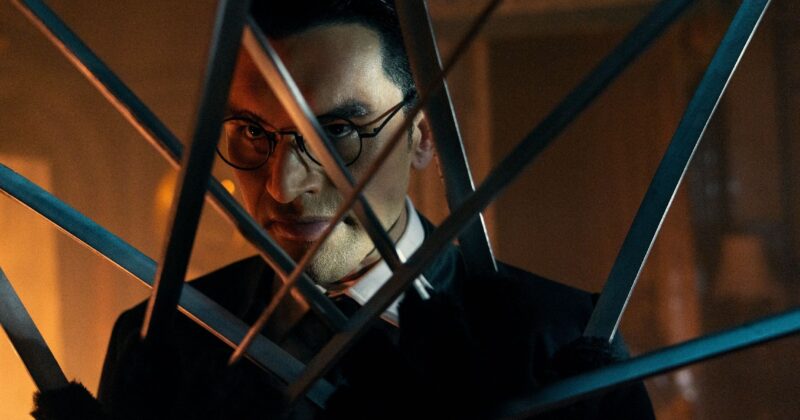
Bringing Oda’s manga magic to live action has always been more than CGI or costumes—it’s about capturing a spirit. Season 2 doesn’t just translate the whimsical or the strange; it makes them essential. Characters like David Dastmalchian’s Mr. 3 and Mikaela Hoover’s Chopper (a CGI marvel) infuse scenes with authenticity and fun. Minor villains become memorable threats. Fan-favorite arcs, like Zoro’s growth or Vivi’s introduction, play out with emotional complexity, often surprising even hardened manga devotees.
This ongoing evolution ensures Netflix’s One Piece isn’t just an adaptation, but a celebration of what makes both anime and live action storytelling powerful—an ever-expanding story that refuses to stagnate, no matter how wild the journey becomes.