Why the Windows vs Linux Debate No Longer Matters in 2026

Beyond the Battle: Why Choosing Between Windows and Linux Misses the Point
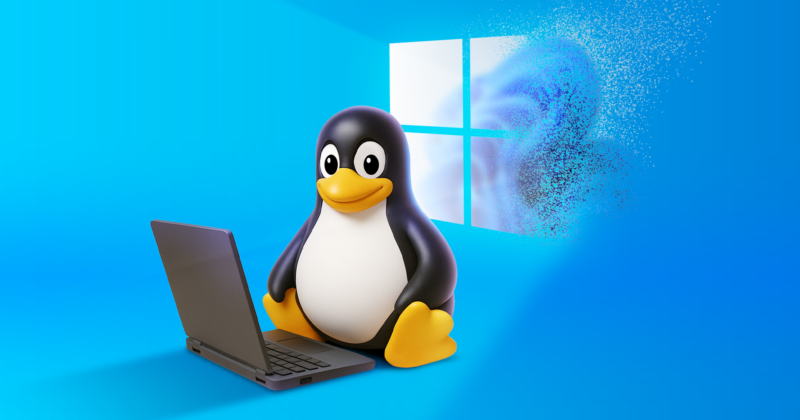
For decades, the technology community has been caught in the so-called war of «Windows vs Linux,» with both sides fiercely defending their platform of choice. But the reality for modern users—developers, gamers, and power users alike—is far more nuanced. The idea that you must choose one operating system over the other is increasingly outdated. In everyday workflows, using both Windows and Linux has become not just possible, but practical, even for beginners.
The Power of Interoperability
Linux’s compatibility with other systems began as a practical solution. Linus Torvalds, its creator, made sure Linux could play nicely with the MS-DOS ecosystem back in the early days, a decision that set Linux on a path of collaboration, not isolation. Today, Linux and Windows use standard TCP/IP networking protocols and share countless file formats, making it seamless to transfer files and data between the two platforms. Tools like the Windows Subsystem for Linux (WSL) let users run Linux directly inside Windows, uniting workflows in ways that were previously unimaginable. Whether editing code, managing cloud servers, or transferring multimedia projects, both operating systems can serve their strengths side by side.
Linux Dominates Where It Matters Most
It’s no secret why Linux is beloved in the world of programming and system administration—it was built for technical users. The heritage of Unix, the ancestor of Linux, has always been about giving power to developers. Many Linux distributions come equipped with a full suite of programming tools—compilers, interpreters and editors—straight out of the box, or easy to deploy with a single terminal command. The result? For technical work, especially coding, automation, server orchestration, and data science, Linux isn’t just an alternative; it’s the platform of choice. The open-source philosophy behind Linux fosters rapid development and a wealth of free tools, making it essential for both enterprise cloud systems and the home enthusiast running servers or creating a «home lab.»
Windows Stays Essential for Creative and General-Purpose Workflows
Despite Linux’s technical edge, Windows remains unrivaled in certain domains, especially where industry-standard applications dictate the environment. Tools like Adobe Creative Suite or AutoCAD set the standard in sectors like design, video production, and architecture. For these users, switching to Linux often isn’t viable, primarily due to software compatibility. The same situation holds for many gamers, as libraries like Steam have made great strides with Linux, but the best gaming experience still often resides on Windows thanks to DirectX and broad driver support. Practicality drives platform choice more than ideology.
The «Year of the Linux Desktop»—Is It Relevant Anymore?
Every uptick in Linux adoption fuels renewed speculation about a tipping point: the legendary «year of the Linux desktop.» Yet, advances in desktop Linux adoption don’t always translate into mainstream dominance. Most home and office users stick with what works: reliable access to essential apps and familiar workflows. Legacy software, work requirements, and gaming needs keep Windows—and in some environments, macOS—front and center. But trends can shift quickly, as history shows. The rise and fall of Lotus 1-2-3 in the spreadsheet world proved that even dominant platforms can become obsolete overnight if the right solution appears. For now, the diversity of modern workflows means no single OS will «win» the desktop outright.
Stop the Shaming—Embrace Real-World Use Cases
One of the least productive aspects of the Windows and Linux debate has been the tendency of some enthusiasts to shame users who choose proprietary software. In reality, most people just want their devices to work. Their choices are often dictated by available applications or the requirements of their jobs and hobbies, not by operating system loyalty. Instead of preaching, there’s more value in showing what open source and Linux can do. Many users already enjoy open-source software on their Windows machines. Apps such as VLC, Firefox, Thunderbird, Notepad++, and GIMP are all ambassadors for the potential of open-source tools, gently encouraging curiosity about Linux without forcing a platform switch.
Living in a Hybrid, Choice-Driven Tech World
The days of dogmatic, either-or debates over operating systems are fading in a cloud-connected, hybrid-work reality. For creators, technologists, and casual users alike, the real win is having access to the best tools for the job, without artificial boundaries. Whether you’re hacking away on a Raspberry Pi server, editing a blockbuster video, or gaming after work, the interoperability and coexistence of Windows and Linux empower you to shape your own digital experience, guided not by rivalry, but by possibility.