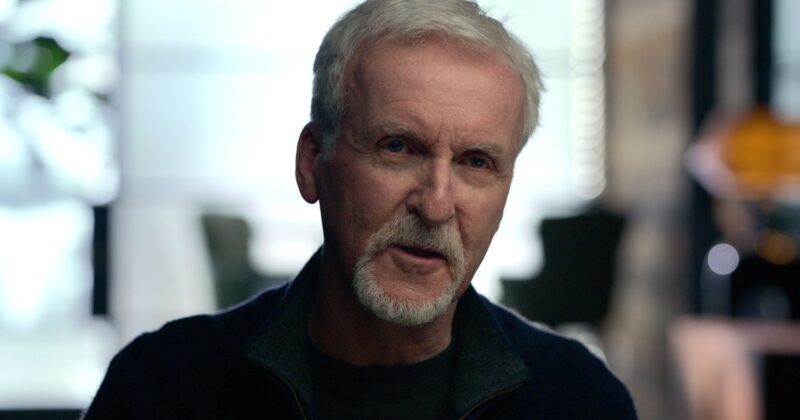
James Cameron’s ‘The Devils’: Why Story Must Trump VFX in His Boldest Fantasy Adaptation Yet
James Cameron Steps Into Grimdark Fantasy With ‘The Devils’
James Cameron, a name synonymous with cinematic spectacle, is taking on his most audacious project yet: adapting Joe Abercrombie’s instant bestseller, The Devils. This new venture marks not only Cameron’s directorial leap into full-scale fantasy but also promises to fuse his obsession with technological innovation with one of the genre’s grittiest, most character-driven tales of recent years.
A Fantasy Ensemble Like No Other
The premise of The Devils is as wild as it is riveting. In a medieval landscape plagued by supernatural horrors, the Church enlists a ragtag band of criminals and outcasts—think necromancers, vampires, werewolves, and invisible elves—to escort a con artist princess to claim the throne of Troy. Abercrombie’s novel distinguishes itself with its robust cast: each member more twisted, fascinating, and darkly hilarious than the last, setting the stage for a true ensemble adventure that stands out in modern fantasy lore.
Visual Brilliance vs. Narrative Depth: The Avatar Dilemma
Cameron’s track record with stunning VFX is legendary. Avatar changed the industry, capturing audiences’ imaginations with its lush, inventive visuals. The movie swept technical awards for VFX, cinematography, and art direction. Yet, fans and critics alike have often pointed out what it lacked: an original, compelling story. Beneath the alien wonder was a plot many saw as derivative, echoing classics like Dances with Wolves, Pocahontas, and even FernGully. This experience serves as an essential caution as Cameron gears up to adapt The Devils.
Why ‘The Devils’ Can’t Survive on Effects Alone
The Devils offers a rich narrative tapestry filled with razor-sharp wit, relentless action, and profound moral ambiguity. The book leans heavily on its character dynamics and plot twists, blending horror, humor, and high-octane fantasy in equal measure. While the temptation to prioritize medieval worldbuilding and bleeding-edge computer graphics is understandable—especially considering the supernatural elements and epic scale—doing so at the cost of story would squander what makes Abercrombie’s work so unique.
What sets grimdark fantasy apart is not just its visual grit but its unflinching characters and unpredictable alliances. Cameron must harness this, focusing his technical wizardry to serve a narrative that’s as layered and surprising as the world he’s building.
Cameron & Abercrombie: A Potential Creative Powerhouse
Encouragingly, Cameron is teaming up with Abercrombie himself to co-write the script. This collaboration could be the key to ensuring the adaptation hits the right notes, capturing the sardonic tone and unpredictable plotting that have already won The Devils a place on bestseller lists. Abercrombie brings an Editor’s eye from his experience in TV, while Cameron provides a filmmaker’s instinct for blockbuster storytelling. It’s a rare synergy that could propel this adaptation into the upper echelon of fantasy cinema.
Fantasy Fans, Watch This Space
As Cameron gears up to redefine fantasy on screen, he’ll need to remember what made some of his past projects endure: bold, character-first storytelling. The Devils is a playground for cinematic technology, but more importantly, it’s a crucible for flawed heroes, chaotic missions, and genre-bending surprises. For those watching the progression of fantasy film adaptations in 2026, this project could become a touchstone—if story and spectacle share the spotlight.