David Bowie’s Transformative Debut: How ‘The Man Who Fell to Earth’ Changed Sci-Fi Cinema

David Bowie’s Unique Transition from Music Icon to Sci-Fi Protagonist
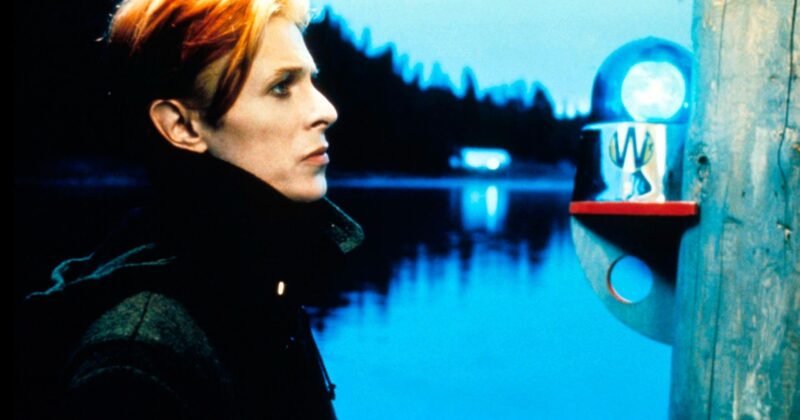
David Bowie is celebrated as a music legend, but his influence extends far beyond the stage. One of his most memorable forays into cinema came with his first starring film role, an innovative leap that left a significant imprint on science fiction. In ‘The Man Who Fell to Earth’, directed by the visionary Nicolas Roeg, Bowie took on the role of Thomas Jerome Newton, an ethereal alien with a desperate mission—to save his own dying planet by smuggling water from Earth.
A director with a flair for the extraordinary
Nicolas Roeg’s talent for placing unconventional stars in equally unconventional stories paid off again with Bowie. Having previously directed Mick Jagger and Art Garfunkel in distinctive roles, Roeg’s instinct to cast performers outside traditional acting circles created films that pulse with originality. With Bowie, Roeg shaped a genre film that shunned clichés, opting instead for haunting visuals and raw introspection.
Bowie as Newton: An Alien Among Us
Bowie’s portrayal of Thomas Jerome Newton is as haunting as it is captivating. Newton arrives on Earth equipped with advanced knowledge, which he exploits to amass wealth through cutting-edge patents—his inventions a byproduct of alien technology. Yet, what starts as a quest for salvation turns into a deep dive into human frailty. Newton quickly becomes entangled with those around him, falling in love with a hotel worker played by Candy Clark, and slowly succumbing to addictions and complexities familiar to Earth’s own inhabitants.
The film grapples with themes of isolation, addiction, and the tantalizing seductions of power and fame. Bowie’s ethereal presence—almost otherworldly in both look and demeanor—melds perfectly with Newton’s struggles, allowing viewers to feel the alien’s loneliness and the societal obstacles he faces. The 1970s backdrop amplifies the film’s intoxicating mix of excess and existential dread.
Cultural Impact and the Critics’ Divide
Upon release, critical reception for ‘The Man Who Fell to Earth’ was strikingly divided. Iconic critics like Roger Ebert initially criticized the film, while others such as Gene Siskel and Pauline Kael praised its ambitious visuals and Bowie’s magnetic performance. Over time, however, the film’s reputation has only grown. Now firmly entrenched as a cult classic, its provocative themes and inventive style resonate with sci-fi aficionados and cinephiles alike. It garners a strong approval rating on Rotten Tomatoes and was even included among the top 100 science fiction films by major critics circles.
The film’s long-lasting allure can be traced to its refusal to provide easy answers. Bowie’s Newton endures—flawed, addicted, misunderstood—a poignant mirror to society and a bold reminder of the era’s anxieties about technology, government overreach, and self-destruction.
A Legacy Beyond the Silver Screen
The role of Thomas Jerome Newton became so synonymous with Bowie that it inspired casting decisions for subsequent projects. Christopher Nolan, impressed by Bowie’s turn as the alien, chose him to play the enigmatic Nikola Tesla in ‘The Prestige’, while Bowie’s stage appearance in ‘The Elephant Man’ also drew from this association with the alien and the misunderstood outsider. The film’s cult status was further cemented by its prestigious Criterion Collection release—a collector’s item that remains highly sought after.
The Story Continues: The Showtime Sequel Series
For audiences craving more, the story didn’t end with Bowie’s film. Decades later, a direct sequel series premiered on Showtime, continuing Newton’s legacy. In a fresh narrative twist, the aged Newton is portrayed by Bill Nighy, while Chiwetel Ejiofor becomes the new alien visitor, Faraday. The series retains the original’s introspective spirit but updates its environmental themes, reflecting contemporary concerns about planetary crisis and resource depletion.
With a talented ensemble cast—featuring Naomi Harris, Kate Mulgrew, and Rob Delaney—the series injected new life into familiar themes. Each episode is cleverly named after a David Bowie song, serving as a discrete tribute to the late icon and deepening the show’s connection to its roots. Critical response was overwhelmingly positive, culminating in Saturn Award nominations and high praise for Ejiofor’s performance, even if the journey concluded after a single season.
David Bowie’s Enduring Mark on Pop Culture and Sci-Fi
Bowie’s debut in ‘The Man Who Fell to Earth’ remains a pivotal intersection where pop music, cult cinema, and sophisticated science fiction storytelling converge. The film’s influence permeates not just through sequels or accolades, but in the way it inspired filmmakers, musicians, and fans to see alienation and empathy through a radically different lens—one undeniably shaped by Bowie’s singular artistry.