Jamie Lee Curtis on Joining the Halloween Reboot Trilogy
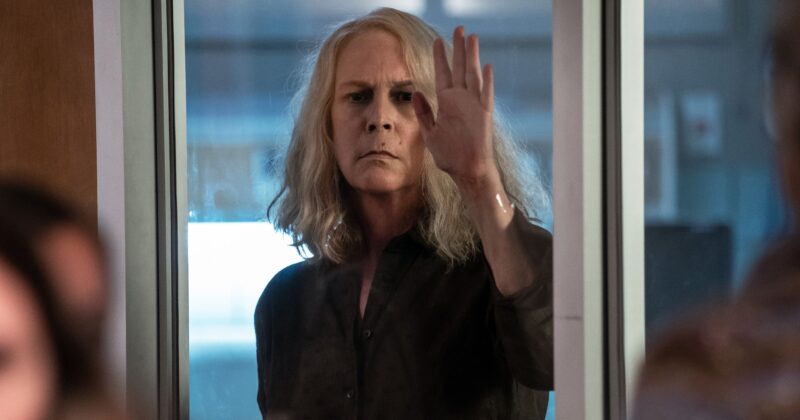
When news first broke that Jamie Lee Curtis would return as Laurie Strode in the next chapter of the Halloween saga, horror enthusiasts and longtime fans of the franchise were electrified. What many didn’t know, however, was that Curtis initially believed she was committing to a single film, not a full trilogy—an unexpected pivot that even caught the star herself off guard.
The Reluctant Return of a Horror Icon
Curtis, who shaped the modern concept of the ‘final girl’ in John Carpenter’s genre-defining original, has a unique perspective on the evolution of slasher cinema. During a candid discussion at SXSW, she opened up about her initial hesitancy and the circumstances that led to her comeback. ‘The only reason I am sitting in this chair today is because of Jason,’ she admitted, referencing Jason Blum, founder of Blumhouse Productions. Blum was the driving force in resurrecting the franchise and convincing Curtis to step back into Laurie’s shoes.
Blumhouse’s Low-Budget Playbook
Blumhouse has become notorious for its cost-effective moviemaking approach. Jamie Lee Curtis doesn’t mince words about Blum’s tight control on budgets, humorously noting, ‘Jason Blum is notoriously cheap. How do you make low-budget movies? You don’t pay people. That’s the model.’ This frugal philosophy often means cast and crew are offered backend deals—which can translate into substantial rewards only if the film becomes a blockbusting hit. In the case of Halloween and its sequels, the gamble paid off: the 2018 movie raked in an astonishing $255 million globally.
Discovering the Trilogy Plan—A Twist Even for Curtis
It wasn’t until the post-production of the first movie that Curtis discovered the full extent of her commitment. Director David Gordon Green casually informed her, ‘You know it’s a trilogy.’ She described her reaction as disbelief, quickly seeking better terms with Blum—including a first-look and development deal to reflect her deeper involvement. The result was what Curtis herself referred to as a ‘vanity deal,’ complete with a producer credit. Far from souring their relationship, this move actually led to more creative opportunities with Blumhouse, including Curtis championing innovative projects like Apple TV’s The Lost Bus.
Box Office Success and Franchise Legacy
While the creative process behind the scenes was filled with surprises for Curtis, in theaters the trilogy soared. The first installment’s $255 million was followed by solid performances from its sequels, Halloween Kills ($133 million) and Halloween Ends ($104 million), confirming the ongoing appetite for Michael Myers’ sinister shadow. Critics may have been divided, especially on the trilogy’s conclusion, but for a character so iconic and a franchise so enduring, Curtis’ portrayal gave Laurie Strode a powerful send-off and—perhaps unknowingly—helped solidify the lasting legacy of one of horror’s most resilient survivors.
The Impact on Modern Horror and Streaming
Curtis’ experience with the Halloween reboot is also a revealing case study in how legacy franchises are navigated in today’s streaming and theatrical environment. The balance between respecting classic characters and introducing new creative structures—like backend payments and unexpected trilogies—signals the inventive, sometimes unpredictable landscape of modern genre filmmaking.