Netflix’s Live-Action Samurai Champloo: Can the Streamer Redeem Its Anime Track Record?
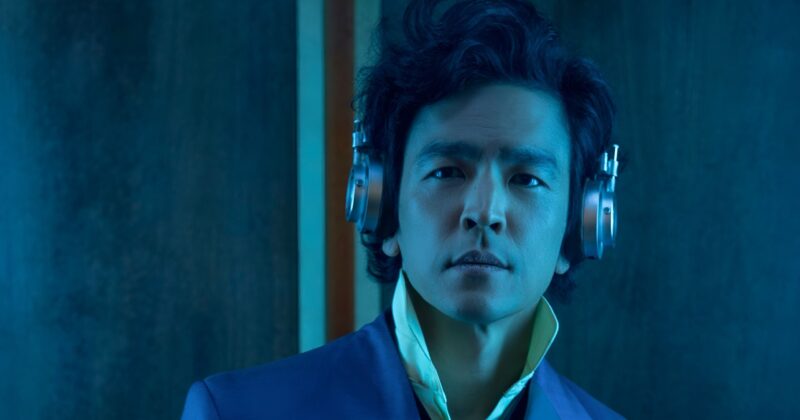
Netflix is setting its sights on a major new project: a live-action adaptation of Samurai Champloo, a beloved samurai anime that blends Edo-period drama with modern hip-hop flair. This comes after the platform’s notorious stumble with its Cowboy Bebop adaptation, a project that struggled to resonate with both critics and longtime fans, sparking intense discussions in anime and pop-culture circles about the viability of live-action remakes of iconic series.
Why Samurai Champloo Stands Apart
Samurai Champloo isn’t just another anime—it’s a striking genre fusion directed by Shinichirō Watanabe, the same creative mind behind Cowboy Bebop and Space Dandy. What makes Samurai Champloo notable is its unique juxtaposition of historical Japan and contemporary musical culture. Rather than following traditional hero-villain arcs, the story trails two anti-heroic swordsmen, Mugen and Jin, as they accompany Fuu on her quest for the ‘samurai who smells of sunflowers.’ Each episode stands on its own, but gradually weaves together a grander narrative about destiny, loss, and friendship.
This unconventional storytelling format, paired with the anime’s iconic soundtrack by late producer Nujabes—whose lo-fi, jazz-infused beats are legendary—makes it a cult classic among anime enthusiasts. The real challenge for Netflix is to capture this atmospheric blend and give it new life in live-action format.
Why Netflix Has Better Odds With Samurai Champloo
The difficulties Netflix encountered with Cowboy Bebop revolved around translating a futuristic, space-noir universe dependent on complex VFX and stunt choreography. Samurai Champloo, in contrast, is anchored in a more grounded Edo-period Japan—albeit one with a twist—making it far more adaptable with practical sets, period-appropriate props, and a stylized, yet accessible, realism. The swordplay, choreographed using katanas, promises action that does not demand the technological wizardry of interstellar dogfights.
Furthermore, it’s reported that Shinichirō Watanabe himself is involved in the adaptation. His connection brings a degree of reassurance: the series could benefit from a creative vision that deeply understands its original soul. For evidence that such risk can pay off, look to Netflix’s runaway hit live-action One Piece series, which succeeded not through spectacle alone, but through faithfulness to character dynamics and the core spirit of the manga.
The Magic Formula: Style, Music, and Chemistry
If there’s one lesson from recent live-action anime successes, it’s that audiences prize authenticity—a quality often rooted in casting and chemistry. The journey of Mugen, Jin, and Fuu isn’t about grand battles alone, but about the evolving, unpredictable dynamics of the trio as they crisscross a stylized Japan. Achieving this on-screen camaraderie is crucial. It demands a cast capable of delivering both the emotional depth and rapid-fire, comic banter that defines the anime.
Another non-negotiable element is the music. To truly channel the essence of Samurai Champloo, Netflix must secure the rights to Nujabes’ signature tracks, or commission a soundtrack that mirrors his pioneering blend of hip-hop and chill beats. The show’s vibe is inseparable from its audio landscape—a fact any successful adaptation must honor.
Pushing Forward in a Shifting Landscape
While Netflix’s history with live-action anime adaptations is checkered, the streaming giant has clearly learned from both its failures and its more recent victories. By opting for properties like Samurai Champloo—which boast not only devoted international fandoms, but adaptable stories and aesthetics—Netflix demonstrates a strategy that is less about quick nostalgia grabs and more about crafting sincere, long-lasting series fits for the global stage.
Success will ultimately depend less on budget and more on respect for the material’s artistry, cast synergy, and the courage to embrace what made the original a masterpiece: its bold stylistic experiments and genre-defying heart.