Jo Nesbø’s Detective Hole: Netflix’s Nordic Noir Unpacks Grit, Rivalry and Razor-Sharp Performances

Nordic Crime Fiction Finds a Potent Voice on Netflix
In the age of prestige crime drama, Netflix’s adaptation of Jo Nesbø’s Detective Hole forges a brooding profile among small screen thrillers by diving into the heart of Norway’s noir tradition. Set against the stark landscapes of Oslo, the series unspools its narrative with a careful fidelity to Nesbø’s celebrated fifth book, The Devil’s Star, using its source as both blueprint and psychological anchor. This is no simple exercise in adaptation; with Nesbø himself steering the script, the production leverages the artist’s vision to deliver an authentic textual texture—a rarity in the era of book-to-series transformations.
Atmosphere and Authenticity: Oslo as a Character
Crime adaptations often succeed or falter by their sense of place, and Detective Hole makes Oslo do double duty as both backdrop and living, breathing character. Brooding, cold-toned shots render the city akin to a Scandinavian Gotham, with empty streets and imposing buildings underscoring the main character’s deep isolation. Visually, the series echoes the psychological labyrinths found in Nordic noir, capturing not just Harry Hole’s alienation but the city’s own buried secrets—rivaling the atmospheric depths of iconic shows like Mindhunter or True Detective.
Performances That Redefine the Detective Genre
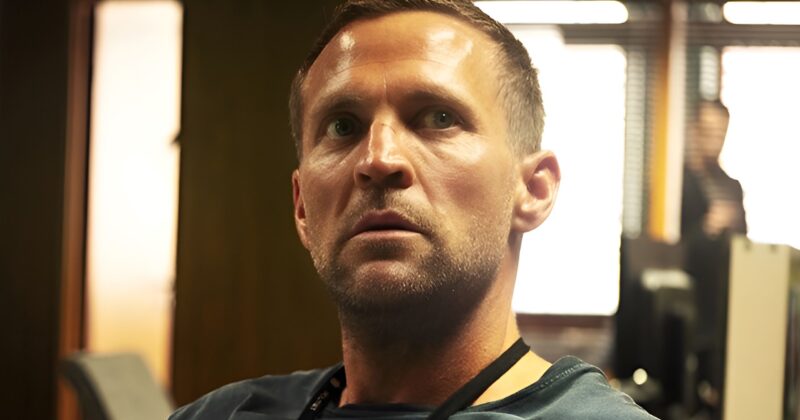
The series is powered by a nuanced on-screen rivalry: Tobias Santelmann embodies Harry Hole with a vulnerability punctuated by moments of sharp brilliance, while Joel Kinnaman delivers a magnetic and menacing turn as Detective Tom Waaler. Both straddle the moral gray, yet their personalities diverge—Hole’s reluctant integrity clashing with Waaler’s calculated ambition. This dynamic does more than drive the plot; it draws viewers into meditations on obsession and addiction, humanizing its detectives beyond genre convention.
Kinnaman’s performance, in particular, is a highlight, elevating the villain archetype with layers of chilling pragmatism. In tense exchanges, the traditional «whodunit» narrative fades in importance, supplanted by the psychological cat-and-mouse between the two leads. Scenes detailing Hole’s supernatural ability to reconstruct crimes—blending realism with bouts of psychological horror—push the limits of the genre without losing sight of credibility. The interplay of these characters is reminiscent of legendary TV rivalries, evoking parallels with the likes of Bosch and Cross, but carved through uniquely Nordic sensibilities.
Balancing Psychological Horror and Procedural Grit
Throughout its nine-episode run, Detective Hole straddles genres, at times merging detective procedural with flashes of supernatural horror. Hallucinogenic visions and inner torment add visual flair to the narrative’s core, even if the occasional dream-like sequence risks appearing as a narrative shortcut. While the show’s identity firmly leans on psychological realism, it isn’t afraid to dip into genre-bending territory—a bold if sometimes uneven experiment.
Where Detective Hole Succeeds—and Where It Stumbles
Strong opening chapters hook the audience with efficient cliffhangers and an engrossing murder mystery. However, the nine-episode structure sometimes bogs down the pacing. About midway, the story risks redundancy before rallying with an impactful final act, delivering smart payoffs and twists that avoid descending into cliché. For many, the series’ biggest hurdle will be pushing through this midseason slump. A tighter six-episode format might have sharpened its impact, but fans of atmospheric crime drama are likely to find the journey worth it.
What truly sets this adaptation apart is a willingness to dissect the darkness at the heart of both city and detective, a move that aligns with recent trends in true detective storytelling. The show signals that, handled right, Scandinavian crime fiction can rival even the most popular streaming adaptations—inviting speculation about a potential ongoing franchise. Santelmann’s commanding yet broken Harry Hole suggests there’s plenty more story waiting in the wintry streets of Oslo.