Why the Halo TV Series Deserved More: Behind the Scenes of a Polarizing Adaptation

The High Stakes and High Hopes Behind Paramount+’s Halo Series
When word first spread that Halo—the iconic video game saga that redefined the sci-fi shooter landscape—would make the leap to scripted television, expectations soared. Not only did the project carry the weight of a fanbase shaped by decades of games, but it also joined a new wave of ambitious video game adaptations that aimed to transcend past misfires. The promise was real, fueled by a lineage of beloved characters, complex lore, and the growing trend of well-crafted adaptations such as Arcane and The Last of Us. Yet, while those shows found not just an audience but also critical acclaim, Halo’s journey on streaming was anything but smooth.
Production Challenges and the Cold Realities of Streaming Economics
Adapting a universe as vast as Halo’s is no small feat—especially when every plasma grenade, alien city, and armored Spartan comes with a price tag. Even among big-budget productions, Halo’s costs were dramatic, with episodes reportedly hitting $10 million each and totals rivaling some blockbuster films. This level of investment demanded both mass appeal and sustained loyalty from viewers.
While the series debuted to much buzz, those astronomical costs quickly became its nemesis. Despite mostly positive critical reception, the project struggled to justify its existence in a landscape where viewing numbers and subscriber retention mean everything. Unlike some competitors, which rapidly found loyal, growing audiences (notably Arcane and Fallout), Halo saw its numbers dip instead of climb.
Season One Stumbles and the Turnaround in Season Two
Halo’s first season ran into the classic adaptation dilemma: pleasing diehard fans while also welcoming newcomers. This balancing act is notoriously difficult—alienating longtime players by tinkering with established lore, while risking confusion for those with no prior knowledge. Critics gave it a respectable 70% approval on Rotten Tomatoes, but audiences weren’t as kind. Fan criticisms focused especially on creative liberties with lead character Master Chief, igniting debate online and dragging down audience scores.
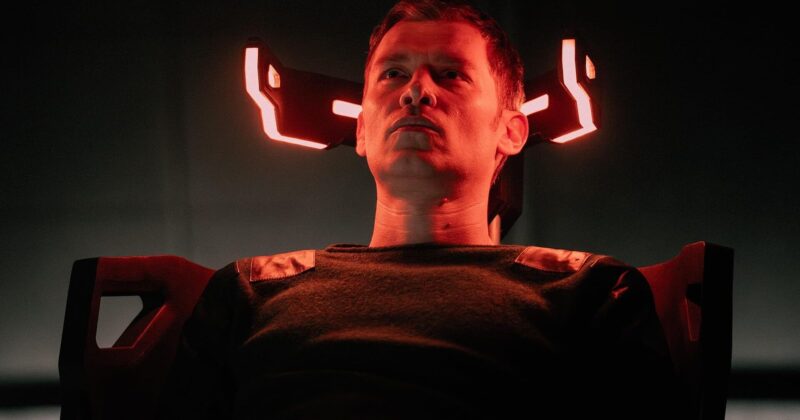
However, the creative team listened. Season two dialed back on narrative detours and shone a spotlight on the core Spartans and their personal arcs. The result? A grittier, more visually sophisticated show, and notably improved audience scores—rising from 52% to 68%. Critics reciprocated this upswing with a striking 90% approval, yet the climb couldn’t reverse the downward trend in viewers.
A Franchise Beset by Unfinished Potential
Few video game worlds rival Halo’s depth or its impact on pop culture. The journey to bring this complex mythology to TV was punctuated by years of stops, starts, and creative reshuffles. Originally conceived as a feature film backed by Hollywood heavyweights, the project endured a labyrinth of shifting platforms, writer shake-ups, and production delays. Each shift promised renewed focus, yet the title remained haunted by the impossible standards set by both fans and industry observers.
Despite the course corrections and a sophomore season that found stronger footing, Halo’s cancellation brought its saga to a premature close. Large-scale adaptations like Halo are rare in television, in part because they demand patience—from networks and audiences alike. Given time, the show showed clear signs of growth, and it’s fair to imagine a future where a third season could have fully unlocked the universe’s untapped lore and resonated far beyond its initial audience.
The Legacy of Halo’s Adaptation in Streaming Pop Culture
Halo’s television adaptation will remain an intriguing case study in the evolving landscape of streaming originals, where storytelling ambition must constantly wrestle with business metrics. For those invested in the intersection of games and visual storytelling, Halo’s sojourn on the small screen is a reminder that world-building of this magnitude sometimes deserves a longer runway, and that the next wave of adaptations will inevitably be measured against both its creative risks and hard lessons learned.