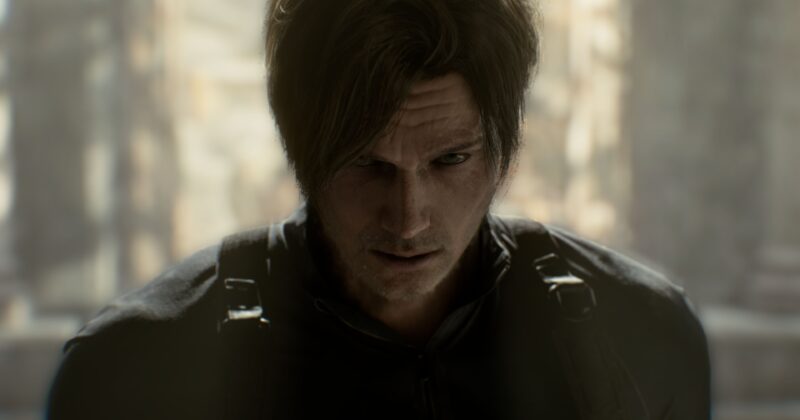
Zach Cregger’s Resident Evil Reboot: New Characters, High Stakes, and the Challenge of Satisfying Gamers

Resident Evil Reimagined: Zach Cregger’s Bold Direction
Zach Cregger, a name that might surprise longtime followers of survival horror, is steering the next cinematic adaptation of Resident Evil. This reboot stands apart for its commitment to fresh storytelling — foregoing iconic protagonists like Leon S. Kennedy and Chris Redfield, the film introduces entirely new faces amidst the chaos of Raccoon City. Rather than revisiting familiar ground, the narrative centers on Brian (Austin Abrams), a medical courier who finds himself trapped in an isolated hospital as an outbreak spirals out of control. The supporting cast includes Paul Walter Hauser, Johnno Wilson, Zach Cherry and Kali Reis, each occupying roles crafted specifically for this movie universe.
Tension Between Loyalty and Innovation
Adapting a franchise as fiercely beloved as Resident Evil is no small feat. Cregger has acknowledged the intensity of fan expectations, candidly stating he half-expects dedicated gamers to ‘crucify’ him if his vision strays too far from the games’ DNA. Yet, instead of retreading old territory, he aims to inject the film with the suspense, dread, and atmosphere that defines the video game series, while allowing for a distinct journey not hamstrung by established character arcs. “Popular heroes have already had their stories,” he notes, explaining that any deviation from their known lore risks instant backlash. By focusing on originality in character and plot, he intends to evoke the uneasy tension and unpredictability that captivated players from the franchise’s inception.
Grounded Horror, Franchise Lore, and the Raccoon City Outbreak
This reboot roots itself in a specific moment: Raccoon City, 1998, prior to the world-changing events chronicled in the games. The script, penned jointly by Shay Hatten and Cregger, is described as grounded, potentially trading supernatural spectacle for a grittier, more intimate brand of horror. Expect the film to leverage classic Resident Evil elements — isolation, viral outbreak, and uneasy alliances — while threading in lore connections and visual nods to the games. Though familiar faces won’t appear, their world remains pivotal: Umbrella Corporation, viral weaponization, and the lingering trauma of prior outbreaks serve as the backdrop.
What Fans Really Want: Authenticity and Respect
Why does adapting Resident Evil feel so perilous? The answer lies in what fans crave: a faithful translation of the franchise’s immersive, nerve-shredding tension and intricate backstory. Cregger hasn’t shied away from discussing the anxiety that attends reimagining a beloved franchise. As a longtime gamer, he empathizes with the disappointment many fans feel when adaptations miss the mark. For Resident Evil, the standard is especially high — Capcom’s series has sold millions worldwide, spun off into comics, anime, and novels, and is hailed for its genre-defining blend of horror and action. Each adaptation, from the original live-action films to recent TV series and animated projects, has sparked heated debate among enthusiasts about what Resident Evil on screen should actually feel like.
The Game Landscape: Resident Evil’s Enduring Power
It’s worth noting just how influential Resident Evil has become beyond games. The latest title, Resident Evil Requiem (RE9), launched in 2026, dives into the story of Grace Ashcroft — an FBI analyst investigating mysterious deaths among Raccoon City survivors. Linkages to classic characters — like investigative reporter Alyssa Ashcroft from Resident Evil Outbreak and the ever-popular Leon — ground the narrative, while a new facility, Ark, and the enigmatic Elpis project provide fertile ground for conspiracy and horror thrills. The critical and fan reception to Requiem has been overwhelmingly positive, underscoring the community’s unwavering interest in both innovation and respect for established lore.
Release and Anticipation
With the next Resident Evil movie set to land in theaters on September 18, 2026, all eyes are on Cregger and his team to see whether this bold departure can simultaneously honor and renew the franchise. The project’s producers, including Asad Qizilbash, Carter Swan, Miri Yoon, Robert Kulzer, and Roy Lee, are betting that an original narrative — crafted with atmosphere and mythos intact — could be exactly what the film universe needs.
The stakes for Resident Evil adaptations remain high. Success means serving a global audience of fans who know every secret passage in the Spencer Mansion and cringe at every lurching motion behind a Raccoon City alley. Whether or not this reboot can escape the shadow of past adaptations — and gamers’ wary eyes — remains to be seen, but this experiment in fearless reinvention is about to enter its most critical stage yet.