The Untold Story Behind Daredevil’s R-Rated Origins in the MCU
When Daredevil Almost Became an R-Rated Marvel Movie
The Marvel Cinematic Universe has seen its share of bold pivots, but few creative detours are as intriguing as what almost happened with Matt Murdock. During the development of what became the acclaimed Daredevil series, Drew Goddard—renowned for his genre-bending storytelling—originally pitched not one, but two R-rated Daredevil films to Marvel.
An Origin Meant for the Big Screen
Goddard, who would help shape Daredevil’s visceral journey for streaming audiences, revealed in a recent conversation that he didn’t set out to craft a television series. His original blueprint was cinematic: a gritty two-part feature diving into the darker corners of Hell’s Kitchen. At a time when MCU’s films leaned heavily into family-friendly territory, such a proposal was revolutionary.
‘I was always like, “Why aren’t you making Daredevil the movie? I don’t understand”,’ Goddard recalled. Marvel, then, was uncertain about veering into stories considered ‘too adult’ for their established on-screen universe. Superheroes like the Avengers were headlining the franchise, and there was hesitation about shifting focus to more mature, complex narratives.
Kingpin, Punisher, and the Unexplored Potential
The heart of Goddard’s vision centered on two of Marvel’s most enigmatic characters: Wilson Fisk (Kingpin) and Frank Castle (The Punisher). The plan? The first film would anchor Daredevil’s mythos in his collision course with Kingpin, capturing the psychological chess game fans had only seen in comics. The sequel? An electrifying escalation, pitting Matt Murdock against The Punisher—a pairing that, even in conversation, excited everyone in the room.
This narrative choice wasn’t just about spectacle. Goddard highlighted the resonance of seeing two ‘heroes’ clash over ideals, a dynamic later explored in the Netflix series. ‘Anytime two “heroes” battle, it’s magic,’ he noted. The draw lies not only in action but in the ideological conflicts that define both characters.
How the Series Format Shaped Daredevil’s Destiny
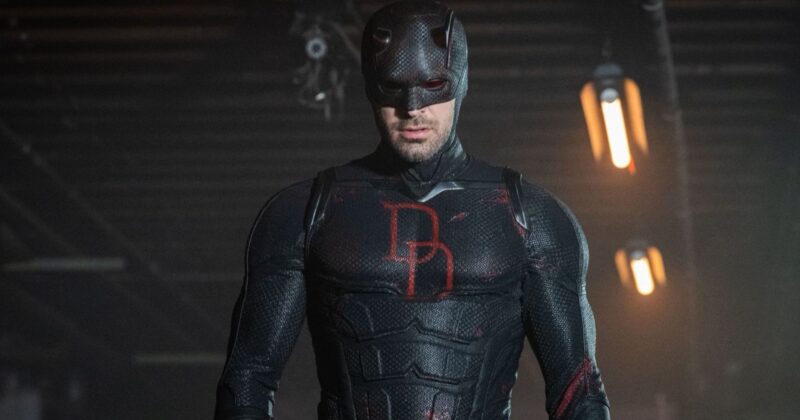
In the end, the decision to move Daredevil to television fundamentally transformed the character’s place in the MCU. The show, spearheaded by Charlie Cox’s nuanced performance as Matt Murdock, gained the freedom of 13-episode seasons, allowing for deeper storytelling, mature themes, and emotional arcs rarely found in two-hour blockbusters.
This longer format proved key to Daredevil’s widespread appeal. Unlike the film-centric Avengers, the series offered slow-burn character studies and room to explore secondary arcs—something that resonated with audiences looking for more nuanced superhero stories. Had Marvel gone ahead with the film, not only might Cox have missed his definitive role, but Daredevil’s unique blend of grit and heart might never have reached mainstream viewers in quite the same way.
The Legacy Continues: Daredevil in the MCU
Today, Daredevil remains a cultural touchstone. The decision to anchor him on streaming platforms shaped both his mythos and his enduring fanbase. Daredevil’s original series is still available for viewers to discover or revisit, while new content like Daredevil: Born Again continues to drop fresh episodes, keeping Matt Murdock at the forefront of Marvel conversations.
The creative risks once branded ‘too adult’ have now redefined what it means to be a Marvel hero in a changing entertainment landscape. It’s a testament to how format—from the intimacy of streaming to the expanse of potential film adaptations—can make all the difference in superhero storytelling.