Yellowstone Spinoff ‘Marshals’ Exposes the Raw Truth Behind Reservation Trafficking

‘Marshals’: Spotlight on a Crisis That Demands Attention
The latest spinoff in the Yellowstone universe, Marshals, has put the spotlight on a crisis rarely explored with genuine depth in mainstream television: trafficking and violence on Native American reservations. Despite polarizing reviews and fluctuating scores among critics and audiences alike, the series premiere drew massive audiences, confirming that its tough subject matter resonates and provokes discussion.
The Personal Cost: Mo Brings Plenty’s Unfiltered Perspective
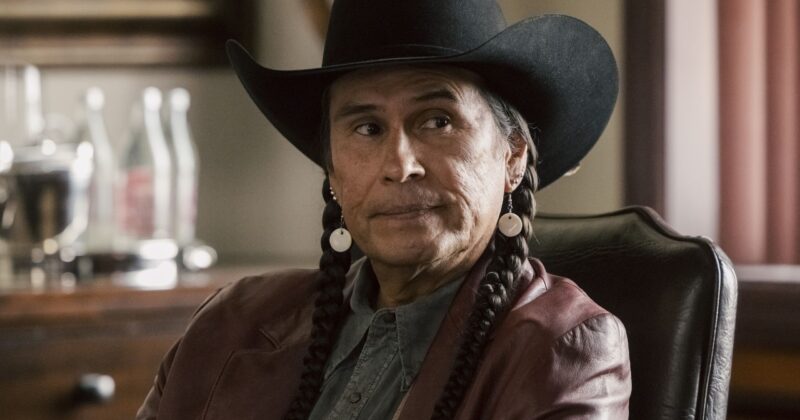
Few could have brought as much genuine gravity to this sensitive narrative as Mo Brings Plenty. Known for his nuanced portrayals and advocacy, his involvement in episode 5—focusing on the disappearance of an Indigenous girl—runs deeper than acting. In interviews promoting the show, Brings Plenty candidly referenced his own family’s tragedy: the murder of his nephew, actor Cole Brings Plenty. This real-world trauma, and the subsequent disappointment with law enforcement’s handling of the case, feeds directly into his depiction of the character Mo, blurring the lines between fiction and painful reality.
Brings Plenty explained how he keeps his personal emotions in check during filming—his priority, he insists, is to ensure the story is not only told but also received by viewers in a way that is educational rather than overwhelming. He underscores the importance of making such traumatic stories accessible while refusing to dilute their significance.
Reservation Life Under the Microscope
Marshals’ narrative is more than just another string of criminal investigations. The Broken Rock Reservation, a recurring location in both Yellowstone and its spin-offs, is once again at the fore, offering a raw look at the realities faced by Native communities. Whether it’s the pilot’s high-stakes bombing, the episode 3 standoff over mining rights, or episode 5’s investigation into missing and trafficked Indigenous girls, the writers skillfully interweave personal pain with systemic injustices. Kayce Dutton’s relentless pursuit of truth in ‘Lost Girls’ evokes not just a fight against crime, but a wider battle against centuries-old neglect and mistrust.
Systemic Patterns and Brutal Statistics
Real-world data from agencies like the U.S. Government Accountability Office and independent research centers injects an additional layer of credibility and urgency to the show. Reports repetitively highlight underreported cases of missing Indigenous women, clouded by mistrust of authorities, inconsistent record-keeping, and a scarcity of national media coverage. By dramatizing these issues without romanticizing them, Marshals initiates meaningful conversations about justice, representation, and reform.
The writing team, led by Spencer Hudnut and joined by directors like Christopher Chulack, strives to walk a fine line—honoring the emotional weight of these stories without overburdening the audience. In many ways, the series mirrors the approach of acclaimed films like Wind River, offering no easy resolutions but confronting viewers with the harsh systemic realities looming behind every case file.
Beyond Entertainment: Series That Matter
Marshals may have its detractors, but its willingness to address the complexities of reservation life and the tragedy of missing and murdered Indigenous people marks it as one of the more impactful TV dramas of recent years. As new episodes continue to air on CBS and stream via Paramount+, anticipation rises for how future storylines will deepen the series’ exploration of these urgent themes. For now, Marshals stands as both entertainment and a call to awareness—reminding viewers that, sometimes, television’s greatest power is in telling the stories that demand to be heard.