Why The Magicians Redefined How TV Portrays Dragons Forever
Breaking the Mold: Dragons Like You’ve Never Seen Them
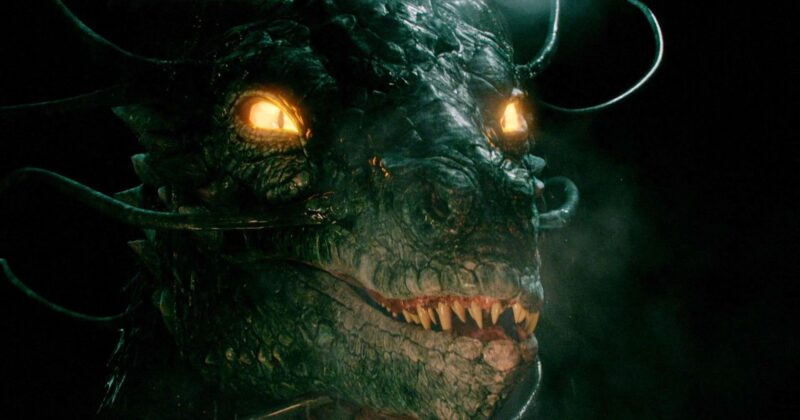
When it comes to fantasy television, dragons typically fit a set mold: majestic, ancient, fire-breathing guardians of treasure, staples in big-budget series like Game of Thrones and House of the Dragon. Yet, there’s one dark fantasy series that quietly delivered the most unpredictable take on dragon lore, blazing its own trail in how these iconic creatures are imagined for the screen. The Magicians offered a portrayal that stands out even in 2026, making dragons feel utterly alien, whimsical, and dangerously enchanting.
The Ancient Ones: More Than Just Mythical Beasts
Unlike most fantasy epics, The Magicians doesn’t drown viewers in dragon encounters. In fact, dragons surface in fewer than six episodes. Yet, their sparse appearances are packed with such rich worldbuilding and bizarre detail that they become unforgettable. On the show, they’re reverently dubbed the Ancient Ones, referencing their role as the primordial origin of magic in Lev Grossman’s original novels. TV canon elevates them further: these sentient, winged beings double as living portals to the underworld, able to sever mortal souls from bodies at will—a level of power and mystique rarely found in TV dragons.
Far from generic fantasy beasts, each dragon is a being of tremendous intelligence and unique biology. The compelling detail? Dragons lay eggs externally, and those eggs remain unfertilized until the rare moment they encounter dragon sperm—sometimes even from hybrid pairings with other creatures, including humans. The East River Dragon herself admits to being just over 12,000 years old—far too young by their standards to reproduce. Dragon eggs gestate for three years, and their sizes expand from ship-sized titans, like the abyssal dragon, to smaller-than-human bookwyrms. The show’s quirky draconologist Poppy, who moonlights as an author of dragon pregnancy erotica, reveals much of this lore in passing, enriching the universe with weird, often comical scientific tidbits.
Dragon Hoards — Disturbingly Creative
Forget gold and jewels. In this twisted vision, dragons hoard the strange and macabre. The Queen of the Great Worms, who dominates the Hudson River, sets her price for an audience as a simple baby tooth, collected among her oddities alongside more traditional treasures, like magical keys. Another instance involves the East River Dragon bartering away the immortal heart of a child, demanding in exchange a stolen elixir of dragon sperm. It’s dragons as cosmic tricksters, their motivations inscrutable, their collections blending horror and humor in ways rarely attempted in television fantasy.
When Dragon Eggs Meet Human Curiosity…
One of the wildest turns comes in season 4 with the deepening dragon egg lore. Dragon eggs aren’t just magical objects; they produce pheromones that wreak havoc on human behavior. Think magical intoxication—touching or licking a dragon egg causes humans to act superficially drunk, resulting in embarrassing, impulsive antics and a ‘hangover’ that even the show’s strongest magical remedies can’t soothe. This twist introduces slapstick hilarity into the dark urban-fantasy setting, blending whimsy with an undercurrent of danger unique to The Magicians’ worldbuilding.
Why It Resonates: A Fresh Blueprint for Modern Fantasy
As fantasy streaming projects like Fourth Wing and Wings of Fire gear up to put dragons back in the spotlight, The Magicians’ approach remains singular. By weaving together biological oddities, ancient lore, comic relief, and real peril, it creates creatures that are existential threats, comic foils, and living mysteries all at once. For viewers and writers looking for a fresh take on old myths, the dragons of The Magicians are a masterclass in reimagining the creatures we thought we knew—and set the bar for what modern dark fantasy can accomplish.