‘Trust Me: The False Prophet’ Is Netflix’s True Crime Obsession of the Moment
If you’ve spent any time browsing Netflix’s trending chart lately, you’ll have noticed a new heavyweight climbing to the very top—Trust Me: The False Prophet. This four-part docuseries has skyrocketed to #1 in the U.S. and sits just below the pinnacle spot internationally, signaling its global impact. True crime fans looking for their next binge-worthy fix will find it delivers an intense, succinct viewing experience—perfect for a single night’s deep dive, with each episode running between 44 and 53 minutes.
Combining Undercover Footage, FBI Intrigue, and Real Consequences
The real draw here? Trust Me: The False Prophet isn’t just another retelling of a notorious criminal case—it brings an unprecedented edge. The series grants viewers access to never-before-seen undercover footage and documents a bold FBI operation that infiltrated one of America’s most secretive and radical religious groups. Far from a simple retrospective, it brings the investigation to life in real time, providing a depth and immediacy that most crime docuseries can’t match.
The Dark World of the FLDS and Samuel Bateman
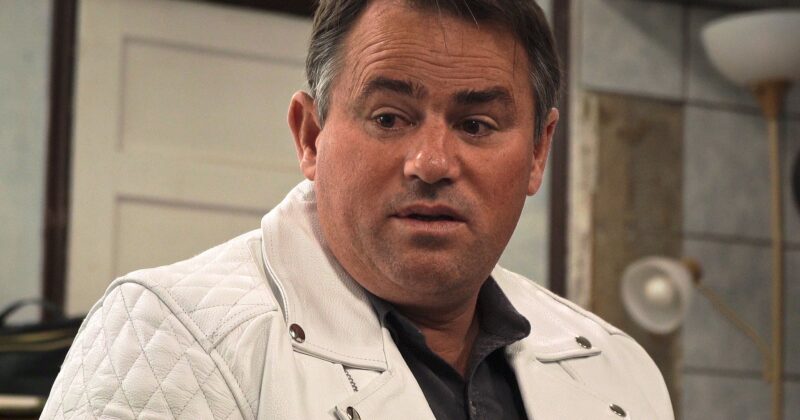
As the show unravels, audiences are introduced to the FLDS (Fundamentalist Church of Jesus Christ of Latter-Day Saints) and its deeply unsettling leader, Samuel Bateman. Succeeding the infamous Warren Jeffs, Bateman’s reign over the group plunges viewers into the darker undercurrents of cult manipulation and religious extremism. The series meticulously follows the work of cult expert Christine Marie and her husband, filmmaker Tolga Katas, who bravely infiltrate the FLDS in Short Creek, Utah. Their journey exposes disturbing realities: Bateman’s polygamist practices, including relationships with underage girls, and the struggle to get law enforcement to intervene.
What sets this production apart from other true crime offerings is its access to firsthand accounts from survivors and ex-members, detailing their journeys toward reclaiming their lives. Through these testimonies, the emotional and psychological costs of escaping such insular groups are brought to the surface, making the watch as empathetic as it is riveting.
The Real-Life Stakes of Undercover Investigative Journalism
The heart of Trust Me: The False Prophet lies in the willingness of Christine and Tolga to go far beyond the role of detached investigators. Their efforts, captured on covert cameras and hidden recorders, accumulate mounting evidence against Bateman. Even as local authorities seem paralyzed to act, it’s only when a key witness steps forward with crucial testimony that the FBI launches a dramatic intervention.
Here, the production shines a light on the daunting personal risks faced by those who dare to challenge cult leadership—echoing similar investigative approaches seen in acclaimed series like Wild Wild Country or Making a Murderer, but with a uniquely urgent, present-tense perspective.
Why It’s Dominating Streaming This Weekend
With IMDb user ratings soaring to 7.8 and widespread praise for its courage and storytelling, it’s no wonder Trust Me: The False Prophet is dominating Netflix’s charts. The docuseries resonates with crime story aficionados and those new to the genre alike, thanks to its concise structure and high-impact narrative.
Beyond the details of the crimes themselves, the series is ultimately a testament to the bravery and tenacity of real people confronting evil under extraordinary circumstances. Through stylish direction by Rachel Dretzin and Elise Coker and powerful performances from Christine Marie and Tolga Katas, the show delivers not only a gripping case file, but also an unflinching look at the fight for justice—and the costs that come with it.