Revisiting The Avengers: How Marvel’s First Crossover Now Hits Harder Than Ever

The First Avengers Movie: A New Lens in 2026
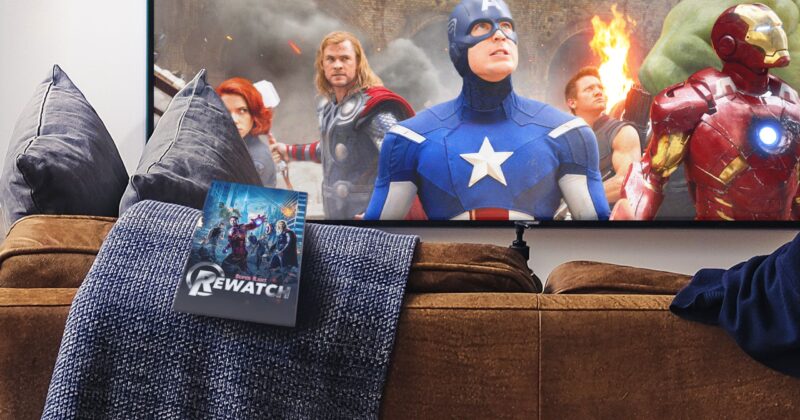
Rewatching The Avengers in the current landscape of the Marvel Cinematic Universe (MCU) is a revelation. When it burst onto screens as a major event, the film already represented an ambitious convergence of beloved characters and high-stakes storytelling. Today, surrounded by multiverse chaos and cosmic threats, revisiting this formative superhero alliance offers a much richer, more layered experience than ever before.
The Lasting Echoes of the Battle of New York
What felt monumental in its initial release—the Chitauri’s invasion and Earth’s first united superhero defense—now feels even grander with the weight of everything that’s followed. Years of interconnected movies and television series have made the Battle of New York not just a turning point for the Avengers, but for the whole Marvel universe. Consider Kate Bishop’s formative experience during the mayhem (spotlighted in Hawkeye), or how salvaged alien tech gave rise to iconic Spider-Man villains like the Vulture and Shocker in Spider-Man: Homecoming.
Even the post-battle cleanup—the creation of the Department of Damage Control—serves as a springboard for dozens of storylines, including the criminal rise of Wilson Fisk in Daredevil. Plot twists introduced in Avengers: Endgame and Loki continue to showcase how the timeline itself remains far from fixed. Loki’s escape with the Tesseract, playing out through TVA intervention, ties a loop back to the events of this first super-team outing, taking the original story in bold new directions across realities.
Character Arcs That Pay Off Years Later
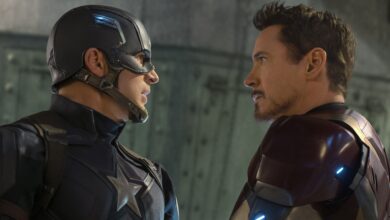
Each rewatch uncovers new layers of meaning. The death of Phil Coulson, once a pivotal motivator for team unity, now holds additional emotional gravity given his resurrection in Agents of S.H.I.E.L.D.. Audiences realize how the seeds for future arcs were sown early: Iron Man and Captain America’s ideological clashes, for instance, gain resonance in light of Tony Stark’s sacrificial act and Steve Rogers wielding Mjolnir in later films.
The Avengers’ Enduring Promise
With the next cinematic crossover looming, one scene stands tall. After the Avengers go their separate ways, Maria Hill’s question to Nick Fury—what happens when the world faces its next cataclysm?—gets a powerful reply: ‘They’ll come back… because we’ll need them to.’ The MCU’s connective tissue has always been this fundamental promise: heroes will answer the call, regardless of the changing cast or shifting threats.
This timeless sentiment underpins the new phase of Marvel storytelling. Even as the saga pivots and reconfigures, with fresh faces like the Thunderbolts and Captain America’s next chapter, the core idea remains. This promise is what sets the foundation for what’s coming, including Avengers: Doomsday and the teasing of Doctor Doom, played in an unexpected twist by Robert Downey Jr. following his brief introduction in Fantastic Four: First Steps.
Why The Avengers Still Matters
Returning to The Avengers today doesn’t just spark nostalgia—it lays bare how each new entry enhances the classic, adding emotional texture and historic significance. Every subsequent series and movie becomes another thread in an increasingly difficult web to untangle, but also a testament to the vision behind Marvel’s storytelling architecture. For fans keeping up, every rewatch becomes an excavation, rewarding attention to detail and a love for interconnected tales that redefine what a cinematic universe can achieve.