Double Jeopardy: Tommy Lee Jones’ Crime Thriller Finds Unexpected Streaming Fame

Double Jeopardy Surges in Popularity on Streaming
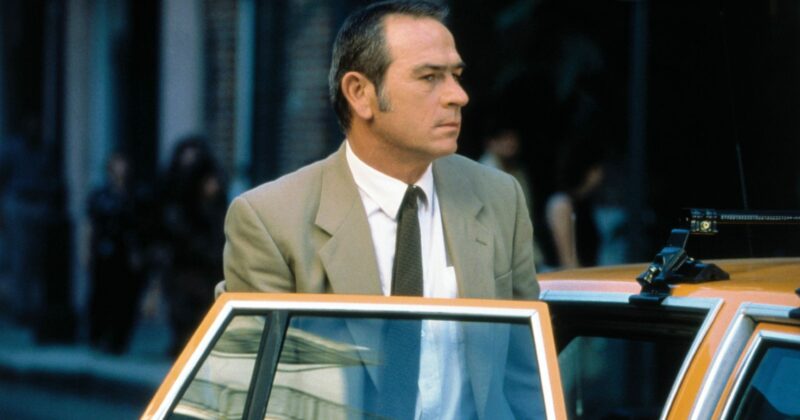
Decades after its cinematic debut, Double Jeopardy has experienced an unlikely resurgence, this time riding a new wave of popularity across Netflix’s global streaming charts. The crime thriller, headlined by Oscar-winner Tommy Lee Jones and the magnetic Ashley Judd, has managed to secure a spot among the Top 10 most watched movies in over 50 countries, despite its absence on Netflix US—where it’s available instead on Paramount+.
Box Office Brilliance Against Critical Odds
It’s easy to forget just how commercially successful Double Jeopardy was when it first arrived in theaters. The film dominated the US box office for three weeks, generating a remarkable $177.8 million worldwide—a testament to its mainstream appeal, despite a tepid reception from critics. The professional reviews hovered at a mere 28% score on Rotten Tomatoes, yet the audience approval tells a different story, landing at a much more favorable 61%.
The Cast and What Sets the Film Apart
Directed by veteran filmmaker Bruce Beresford, best known for Driving Miss Daisy, and scripted by David Weisberg and Douglas Cook, the movie boasts an ensemble that radiates chemistry. Tommy Lee Jones brings the laconic grit that made The Fugitive a classic, while Ashley Judd’s performance as Libby Parsons anchors the film’s emotional twists and relentless pacing. Supporting turns from Bruce Greenwood, Annabeth Gish, and Roma Maffia round out a cast built for suspense and high-stakes drama.
The Fatal Flaw: Legal Myth vs. Cinematic Thrill
At its core, Double Jeopardy sets up a gripping premise: a woman wrongly convicted of her husband’s murder discovers he may still be alive, and—buoyed by a misunderstanding of the Fifth Amendment—believes she can’t be tried again if she seeks vengeance. However, this central concept, while thrilling on screen, misinterprets the actual legal doctrine. In reality, ‘double jeopardy’ prevents retrial for the exact same crime; if new facts or a new crime are involved, prosecution remains fair game—a key point underscored both by legal experts and the Supreme Court’s Blockburger ruling.
This creative license hasn’t deterred viewers over the years. Perhaps it’s the chemistry between Jones and Judd, or the cat-and-mouse tension that keeps audiences invested. Despite Hollywood’s tendency to bend legal reality for dramatic effect, the film’s misstep only seems to add to its cult appeal. Even celebrated critic Roger Ebert noted the movie’s commercial ambition, suggesting that its blockbuster DNA was the driving force behind its enduring draw.
Why Double Jeopardy Resonates Today
On streaming platforms, nostalgia is king—especially for crime thrillers that encapsulate the polished, self-contained storytelling popular before the era of franchise sprawl. Double Jeopardy fits this format perfectly, with a story that, despite (or perhaps because of) its legal inaccuracies, hooks viewers with high-stakes personal drama, suspenseful chases, and a star-driven dynamic you don’t often see in today’s algorithm-led productions.
In an age where legal dramas and thrillers continue to dominate both film and binge-worthy series, Double Jeopardy stands as proof that a strong cast and an irresistible hook—even one with a fatal flaw—can still capture the world’s attention, one stream at a time.