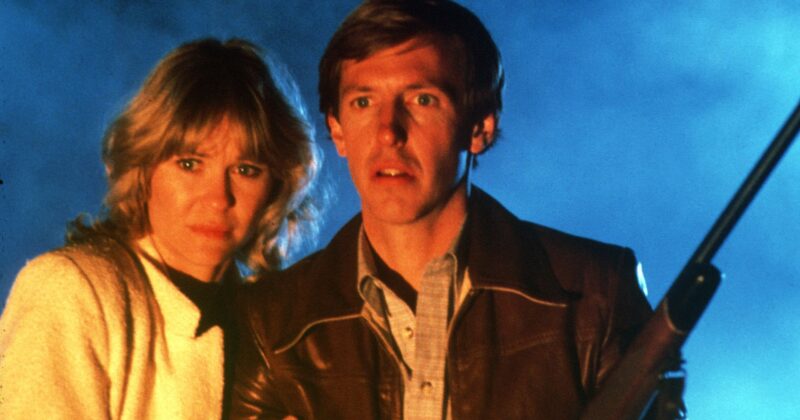
The Howling: A Cult Horror Classic Set for a Transformation in 2026

The Howling Returns: Werewolves, Legacy, and a New Vision
Horror fans have long whispered about the return of The Howling, a film synonymous with transformative special effects and feral suspense. Originally helmed by Joe Dante—whose distinct vision also brought Gremlins to life—the movie made a cultural impact by pushing the limits of practical effects alongside the imaginative work of Rob Bottin. The on-screen metamorphoses in The Howling weren’t just groundbreaking for the time; they remain reference points in cinematic creature design even in the era of digital effects.
Why The Howling Remains Essential Horror Viewing
Despite a modest box office performance, The Howling quickly ascended to cult status. For cinephiles, it’s the rare movie where the soundtrack of howls and the night’s mist bleed into subconscious anxieties. The plot, based on Gary Brandner’s 1977 novel, follows news anchor Karen White (Dee Wallace) as she journeys through trauma straight into a remote colony that hides a lycanthropic secret. This core blend of psychological unease and monstrous horror is why The Howling is regularly referenced in the same breath as American Werewolf in London or The Thing when discussing the genre’s golden era.
Remake Announced by Sixth Dimension—With a Focus on Innovation
After years of false starts and teases, including lackluster direct-to-video sequels and the infamously disconnected The Howling: Reborn, the film’s return is finally official. This time, the charge is being led by StudioCanal’s genre label, Sixth Dimension, which aims to specialize in horror, thriller, and science fiction. That commitment opens the door for experimental storytelling techniques and new practical-meets-digital effects that could rekindle everything that made the original enduring while making it resonate with a streaming-era audience.
Pushing Past Previous Attempts
Fans will remember past attempts to reboot the franchise—a clear example being the 2011 version, which struggled to distinguish itself in the post-Twilight landscape, scoring only a 17% critics rating. Its minimal connection to the mythos of the original was widely criticized, underlining just how careful a true reboot needs to be when balancing fresh blood and genre tradition. Notably, director Andy Muschietti, who achieved horror history with IT, was once attached to a potential Netflix adaptation. Though that production is currently stalled, his involvement showed that heavyweight talent sees fresh potential in The Howling’s DNA.
The Technical Evolution: A Playground for Modern Effects
When The Howling originally debuted, it was an era demanding innovation out of necessity—latex, animatronics, and camera trickery. Today, the horror genre has the opportunity to blend AI-powered rendering, photorealistic prosthetics, and hybrid practical-digital creatures for transformations that match and amplify the visceral shock the original delivered. The expectations for the new adaptation are high, with younger audiences expecting seamless effects yet seasoned genre fans craving the tactile, organic quality of practical horrors past.
Cultural Impact and Enduring Relevance
The Howling has inspired countless filmmakers and continues to serve as a touchstone for discussions around horror’s allegories and special effects revolutions. Its return, under a contemporary production umbrella, offers the perfect storm for those passionate about cinema’s power to both scare and innovate. As the boundaries of horror are tested by the likes of Ari Aster and the legacy of Stephen King adaptations, all eyes will be on how The Howling’s werewolves evolve not just in form, but in the fears they tap into for a new age.