10 Landmark TV Shows That Redefined Culture and Media

The Transformative Power of Television
Television is often dismissed as light entertainment, yet certain shows have sparked massive shifts in culture, society, and even global perspectives. While many series are simply a comfort at the end of a long day, some have broken boundaries, challenged conventions, and redefined what the medium can accomplish.
Breaking Taboos and Changing Minds
I Love Lucy
Lucille Ball revolutionized the sitcom format in I Love Lucy, flipping the script with her comedic timing and onscreen chemistry with Desi Arnaz. The show bravely tackled subjects such as pregnancy and women’s roles in the workforce, often months or years before society at large was ready to talk about them on public platforms. Ball’s portrayal not only normalized conversations around family and relationships but also elevated female comedians to prime time.
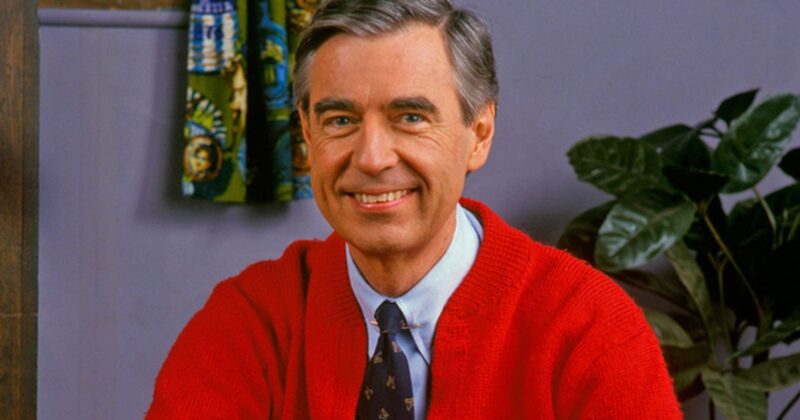
Mister Rogers’ Neighborhood
Fred Rogers spent over three decades championing kindness, empathy, and inclusivity. With episodes that directly confronted issues—like the iconic moment when Rogers joined a Black police officer in a simple act of sharing a foot bath—Mister Rogers’ Neighborhood quietly but persistently modeled a better world for generations of children, never shying from addressing racial prejudice and social injustice.
All in the Family
Norman Lear’s All in the Family brought heated sociopolitical debates into millions of American homes. Through his cast—led by the notoriously opinionated Archie Bunker and his progressive son-in-law Mike Stivic—the series tackled racism, women’s rights, and the Vietnam War, demonstrating that comedy could serve as both mirror and magnifying glass for society’s most contentious issues.
Expanding the Imagination
Star Trek
Visionary creator Gene Roddenberry imagined a future where diversity and unity fuel technological and societal progress. Star Trek wasn’t just space opera; it was a paradigm for inclusion, featuring one of the first multiracial casts on American television. From Uhura’s communications console to Sulu’s pilot seat, the bridge of the Enterprise showed millions that a better tomorrow was possible if humanity worked together.
The Twilight Zone
Rod Serling’s The Twilight Zone brilliantly smuggled social and political commentary past network censors by framing pressing topics—like paranoia, prejudice, and authoritarianism—within speculative fiction. The show became a template for using allegory to spark meaningful conversation about real-world threats.
The Prisoner
This British cult classic blended spy thriller with existential allegory, inviting viewers down a rabbit hole of psychological and social mystery. The impact of The Prisoner echoes in every mind-bending, serialized drama that followed—shows like Twin Peaks, Lost, and The X-Files owe their DNA to the questions and crises posed here.
Redefining Genres and Audiences
The Simpsons
When The Simpsons debuted, animated shows for adults were an anomaly. The irreverent, dysfunctional Simpson family subverted the wholesome, problem-free nuclear family image popularized by earlier series. By combining sharp social satire with absurd cartoon hijinks, the show opened the door for a new era of adult animation—from South Park to Family Guy.
Game of Thrones
The adaptation of George R.R. Martin’s epic fantasy novels exploded genre boundaries. Game of Thrones captivated audiences with its intricate politics, moral ambiguity, and complex characters, moving fantasy from niche interest to mainstream pop culture event. Its impact was seismic—networks raced to find the next sweeping saga, elevating both production values and audience expectations for serialized storytelling.
Educators and Changemakers
Sesame Street
Combining entertainment with education, Sesame Street transformed how children learn. With a cast as diverse as its audience, the show pioneered techniques to teach everything from literacy and numeracy to empathy and resilience. Generations of children credit Big Bird, Elmo, and their friends for life skills gained from the show’s innovative blend of song, sketch, and inclusive storytelling. Find the latest episodes and interactive learning tools directly on Sesame Street’s official site.
The Sopranos
Before The Sopranos, conventional wisdom in TV writing dictated that protagonists should be inherently likable. David Chase’s revolutionary drama shattered this rule, presenting audiences with morally complex, deeply flawed characters and challenging viewers to grapple with their own sympathies. The series is largely credited with igniting the modern golden age of television, paving the way for nuanced antiheroes and sophisticated serial storytelling across all genres.
Each of these shows proved that television, far from being merely ephemeral entertainment, can boldly shape narratives, challenge cultural assumptions, and inspire audiences worldwide.