Thor Faces a New Era Without Mjolnir: The Mortal Hammer and the God Beyond the Weapon

Thor: More Than Just the Hammer
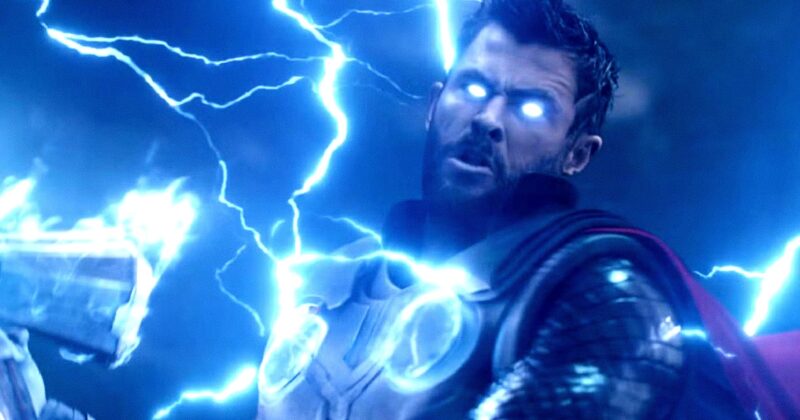
Few figures in modern mythology are as tightly bound to their weapon as Thor is to his hammer. Yet, recent events in Marvel Comics have thrust the God of Thunder into unfamiliar territory—Mjolnir is gone, seemingly for good. This bold narrative move from Al Ewing’s run on The Immortal Thor takes Thor on a journey that strips away the enchanted crutch that has defined him for so long, placing the focus on the character beneath the godly sheen.
The End of Mjolnir and the Rise of Sigurd Jarlsson
Thor’s story has always danced around themes of worth, power, and transformation. Now, with Thor’s apparent death and the loss of his iconic hammer, a new cycle begins in The Mortal Thor. Embodying the spirit of Ragnarok, the saga introduces Sigurd Jarlsson, a reincarnated Thor living a far more grounded, mortal existence. Instinctively drawn to a simple earthly hammer—no magic, just cold steel—Sigurd faces trials that echo back to Thor’s earliest, pre-Mjolnir days.
Roxxon’s villainous Radioactive Man doesn’t hesitate to demonstrate the era’s changed stakes, melting Sigurd’s makeshift hammer effortlessly. While that hammer offered no divine powers, Sigurd’s ingenuity elevated it; he had bound it with a bungee cord, transforming it into a uniquely personalized «mortal weapon.» The speculation that this tool could be a disguised Hellnir—a weapon of myth—quickly fades, cementing Sigurd’s weapon as fundamentally unenchanted and vulnerable.
A New Weapon Forged in Mortality
This vulnerability is what makes Sigurd’s resilience stand out. Thanks to Jenny Sapristi—Sigurd’s boss and trusted confidante—he receives an upgraded hammer, larger and darker, described as visually more ancient and raw than the classic Mjolnir. Sigurd wastes no time imprinting his mortal mark: the bungee cord is back, and with it his determination.
When Radioactive Man returns, Sigurd proves that superheroic legacy is not about the weapon itself but the one who wields it. Armed with the new hammer and a hazmat suit, Sigurd brings down his foe through wit and strength, outmaneuvering an enemy far beyond the reach of a human. It’s a stark, gritty saga, pulling Thor’s mythos firmly into modernity and asking: what happens when a god becomes just another person facing impossible odds?
Thor’s Ever-Evolving Arsenal
Thor losing Mjolnir is nothing new—he’s wielded axes, swords, and spears across his comic book life. Before he was worthy, he brandished Jarnbjorn, the dwarven-forged axe capable even of rending Celestial flesh. It lacked Mjolnir’s storm-summoning grandeur, but in its place came raw power and a gritty, visceral approach to battle, forcing Thor to harness his own strength and tactical prowess.
Marvel’s history is replete with these metamorphoses. As the All-Father, Thor has set Mjolnir aside for Gungnir, Odin’s spear and a conduit for the Thor Force—commanding reality itself. At his darkest, Thor has wielded All-Black the Necrosword, slaying cosmic beings but risking corruption. Each transition pushes Thor’s mythos forward while grounding him with the responsibility of true power.
A God Remade by Challenge
These shifts in weaponry almost always signal deeper transformation. Every time Thor loses his enchanted weapon, the character’s core is tested anew. When he can’t count on magic auto-pilot, we see the god fallible, learning, and ultimately rising more formidable than before. Thor’s continued struggle speaks to the perpetual reinvention of superhero icons—tools change, but character persists.
Follow Thor’s Legacy in Modern Comics
The latest chapter in Thor’s journey dives deep into the complexities of legacy, identity, and what truly endures when divinity gives way to mortality. With The Mortal Thor #9 now available from Marvel Comics, there’s never been a more exciting moment to explore how the Thunder God reinvents himself with every challenge—and every new weapon forged in the fires of adversity. For fans eager to unpack the lore, each new arc offers a profound break from tradition, redefining what it means to be worthy, one thunderous strike at a time.