Spider-Man’s Game-Changing Transformation as Carnage’s Host Unlocks New Powers

Spider-Man’s Evolution Beyond Limits
When one thinks of Spider-Man, the image of a nimble, witty teen swinging through New York City usually comes to mind. However, beneath the iconic red-and-blue suit lies a hero capable of confronting truly formidable threats—rivals on the level of Hulk and the Sinister Six. Over the years, Peter Parker’s abilities have far exceeded the traditional agility and spider-sense that defined his origin, especially with the introduction of symbiote suits and advanced armors. But the latest Marvel Comics saga takes this evolution to an entirely new level, merging Spider-Man with one of the darkest symbiotes of all: Carnage.
The Path to Monstrous Power: Symbiotes and Physical Transformations
Spider-Man’s journey with symbiotes isn’t new; in fact, the black symbiote suit from the 1990s comic arc notably enhanced his strength and gave him tendril-like weapons, heightening his fighting prowess. Later tech-driven suits such as the Iron Spider and various Spider Armors introduced cutting-edge gadgets, added durability, and even multiple mechanical limbs for combat. Yet, these enhancements, whether technological or cosmic—as seen in storylines involving the Enigma Force—are only part of the picture.
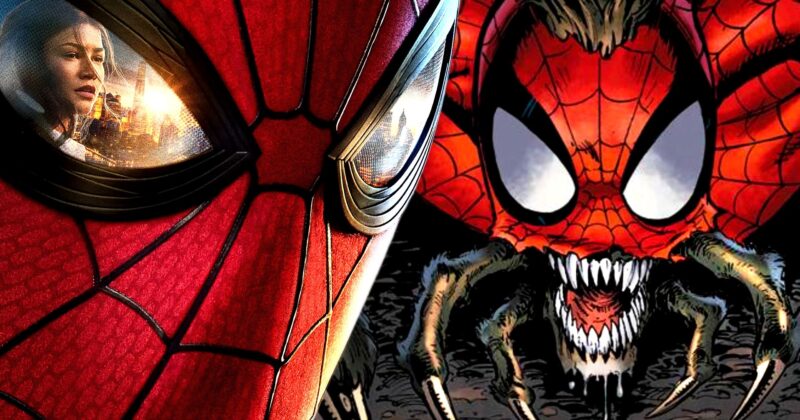
Less conventional but equally impactful are the spidery physical mutations Peter endures, such as the nightmarish Man-Spider form which taps into a raw primal terror. These transformations blur the line between hero and monster, showcasing the depths to which his powers can mutate under strain.
Becoming Carnage’s Host: A Radical Shift
In Venom #257, penned by Charles Soule with art by Javier Pina and Matt Hollingsworth, Peter Parker faces a dire threat that results in a shocking development: Carnage chooses Spider-Man as its next host. During a brutal confrontation involving Flash Thompson (Agent Anti-Venom), Torment, and the fused Carnage symbiote, a violent fallout occurs when Carnage breaks away from Torment’s control. Carnage’s ruthless spree targets Peter’s loved ones—Aunt May and Anna Watson—pushing the stakes to unprecedented levels.
Despite Carnage’s treacherous nature, he intervenes to save Peter from death, declaring an unconventional alliance by inhabiting Spider-Man himself to hunt down the killer symbiote. This fusion creates a terrifying new incarnation of Spider-Man, with the combined powers and ferocity that blur the lines of heroism and menace.
Implications For Peter Parker and Marvel’s Universe
This transformation is a game-changer not only for Spider-Man’s power scale but also for his story arc. By assuming Carnage’s symbiote, Peter gains amplified strength, lethal symbiote-based tendrils, and unpredictable aggression—abilities essential to closing the “spiral of assassinations” unleashed in the storyline. However, it also places him in a precarious moral and physical state given Carnage’s violent nature.
It’s a compelling narrative twist that challenges the core of Spider-Man’s character: can Peter wield this monstrous power responsibly, or will the darker urges of Carnage corrupt him? This fusion explores the struggle of harnessing immense power while clinging to humanity—a recurring theme in superhero tales but heightened here by the symbiote’s invasive influence.
Spider-Man in the MCU and Broader Pop Culture
While these developments are firmly rooted in the comic medium, Spider-Man’s evolution continually influences his portrayal across all platforms, including the Marvel Cinematic Universe. The MCU’s Peter Parker, played by Tom Holland, has faced escalating threats requiring ever-more inventive suits and alliances with powerful characters like Doctor Strange. Although the exact Carnage-host storyline hasn’t been brought to the screen, the narrative’s themes resonate with fans knowledgeable about the complexities of Peter’s power and identity.
In addition, Spider-Man’s sustained popularity owes much to his adaptability. From his first MCU appearance in Captain America: Civil War, through his own solo movies and multiverse-spanning adventures in No Way Home, to the comics’ darkest corners, Peter Parker adapts to threats both cosmic and personal. The Carnage symbiote merger is yet another iteration pushing the narrative envelope, deepening his character’s mythos and expanding the possibilities for future storylines.
Technical and Narrative Layers Behind the Transformation
The symbiote fusion storyline isn’t just about raw power. It intricately explores biological symbiosis, emotional volatility, and identity struggles. Carnage, historically portrayed as a psychopathic entity birthed from Venom’s own offspring, introduces chaos wherever it merges. The psychological impact on Peter is as much a focus as the visual spectacle, raising questions about control, trauma, and sacrifice.
Artistically, the depiction of this new Spider-Man form combines classic spider motifs with Carnage’s brutal, sinewy aesthetics—an intense visual evolution signaling a harder edge both physically and narratively. Writers and artists seize the opportunity to fuse horror elements with mainstream superhero stories, reflecting a more mature, complex storytelling era.
What This Means for Fans and Future Content
For readers, this arc represents fresh ground and revitalization of Spider-Man lore. It promises edge-of-your-seat drama and character depth, showing Peter’s resilience under extreme pressure. As Marvel continues to blur the lines between heroism and monstrosity, this storyline stands as a testament to Spider-Man’s enduring appeal and adaptability across mediums.
Expect this transformation to influence forthcoming comics and possibly inspire animated adaptations or future MCU storylines that delve deeper into symbiotes and Peter’s darkest challenges. Fans of the web-slinger should prepare for a journey where strength comes with peril and victory demands pushing beyond traditional limits.