Shonen Jump Faces Its Toughest Chapter Yet as 2025 Marks a Turning Point

The Shifting Landscape of Shonen Jump’s Manga Lineup
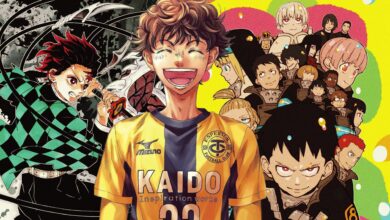
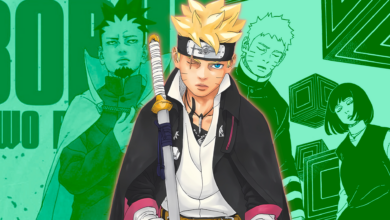
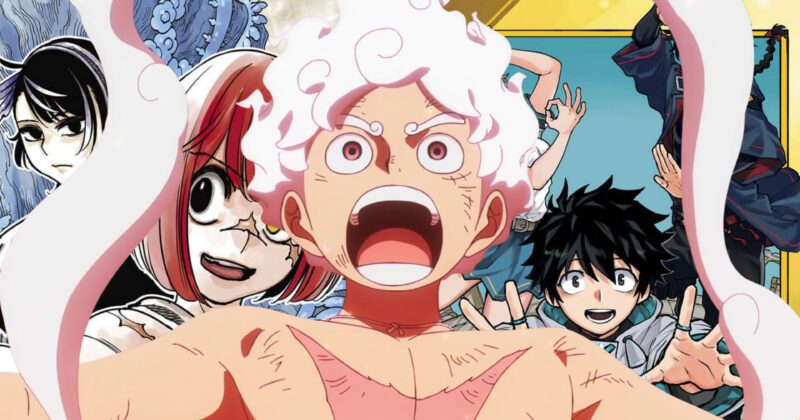
Shonen Jump, a titan in the manga industry, is navigating one of the most challenging periods in its history. The rapid conclusions of powerhouse series like My Hero Academia and Jujutsu Kaisen in recent times have left a significant void, significantly impacting the magazine’s ability to retain its massive global audience. With One Piece advancing toward its final saga, the question looms large: what does the future hold for Shonen Jump’s roster and readership?
The year 2025 starkly illuminated the struggles that can arise when industry giants retire their stories simultaneously. Aside from the fading of these iconic manga, the year’s fresh offerings largely failed to catch fire. Despite attempts to invigorate the lineup with 13 new titles, only Someone Hertz, a lighthearted slice-of-life rom-com, managed to break out as a genuine success, maintaining steady readership and engagement. Meanwhile, series that received greenlights for anime adaptations, such as Kill Blue and Super Psychic Policeman Chojo, faced cancellations that puzzled fans and critics alike, undermining momentum just as wider exposure was becoming possible.
A Torrent of Cancellations and Critical Reception
2025 was marked by a wave of premature cancellations, more so than usual in Shonen Jump’s storied publication history. Many new titles not only struggled commercially but also earned harsh critiques for their narrative and artistic shortcomings. Series like Nice Prison, Ekiden Bros, and Gonron Egg were often cited as examples of weak storytelling and subpar artwork, undermining readers’ confidence in the magazine’s editorial choices. This widespread dissatisfaction raises crucial questions about the quality control and strategic direction shaping Shonen Jump’s current editorial environment.
Finding the Bright Spots Amidst the Struggles
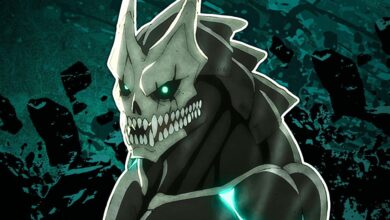
Despite these hardships, Shonen Jump is not entirely devoid of hope. Titles like Kagurabachi and Ichi the Witch have emerged as strong contenders to fill the void left by former giants, attracting solid fanbases and showing promising potential if handled properly. Success for these series hinges on sustaining momentum through quality storytelling and securing well-made anime adaptations, which historically have amplified popularity and boosted sales significantly.
More encouraging still is the announcement of a fresh batch of manga launching in the spring, which includes work by famed creator Hideaki Sorachi, known for critically acclaimed series. These new entries could signal a refreshed creative direction that prioritizes innovation and stronger narrative execution.
Strategic Shifts Needed for Survival
The current turmoil points to a deeper need for Shonen Jump to reconsider its editorial approach. The decision-making that led to the support of many underwhelming manga while swiftly cutting promising series risks alienating its loyal readership. Maintaining a balanced portfolio that blends experimentation with careful nurturing of potential hits might be essential. Especially important is allowing series time to grow a steady fanbase rather than reacting hastily to lukewarm initial sales, particularly when those series show spark or garner critical buzz.
Moreover, the timing of cancellations right as anime adaptations are launching has raised eyebrows within the community, hinting at a disconnect between editorial strategy and broader market opportunities. A more coordinated approach with anime studios and international distribution could unlock longer lifespans for transitional series and help diversify Shonen Jump’s sustained revenue streams.
The Broader Context of the Manga Industry Today
The manga market itself is undergoing significant shifts, with overall sales declines and intensifying competition from digital and global platforms reshaping consumption habits. Major competitors to Shonen Jump have gained traction, forcing a reassessment of publication and marketing strategies across the board. The magazine’s dominance is not guaranteed; adaptation and innovation are crucial to remain relevant in an industry where audience tastes evolve rapidly and digital-native manga platforms gain ground.
Looking historically, Shonen Jump experienced similar lows in the late 1990s after the endings of seminal titles like Dragon Ball and Slam Dunk. It was only through new franchise breakthroughs such as Yu-Gi-Oh! and Shaman King that the magazine regained its footing and even reached new heights. Today, the absence of similarly impactful breakout series means Shonen Jump must carefully cultivate its next generation of hits with heightened sensitivity to both creator vision and fan reception.